Switzerland
Hundreds of thousands of Swiss women with osteoporosis remain untreated
Around 684,000 women in Switzerland are estimated to have osteoporosis but receive no treatment, according to the Swiss Rheumatism League. A new national campaign is urging people to assess their bone health before fractures occur.
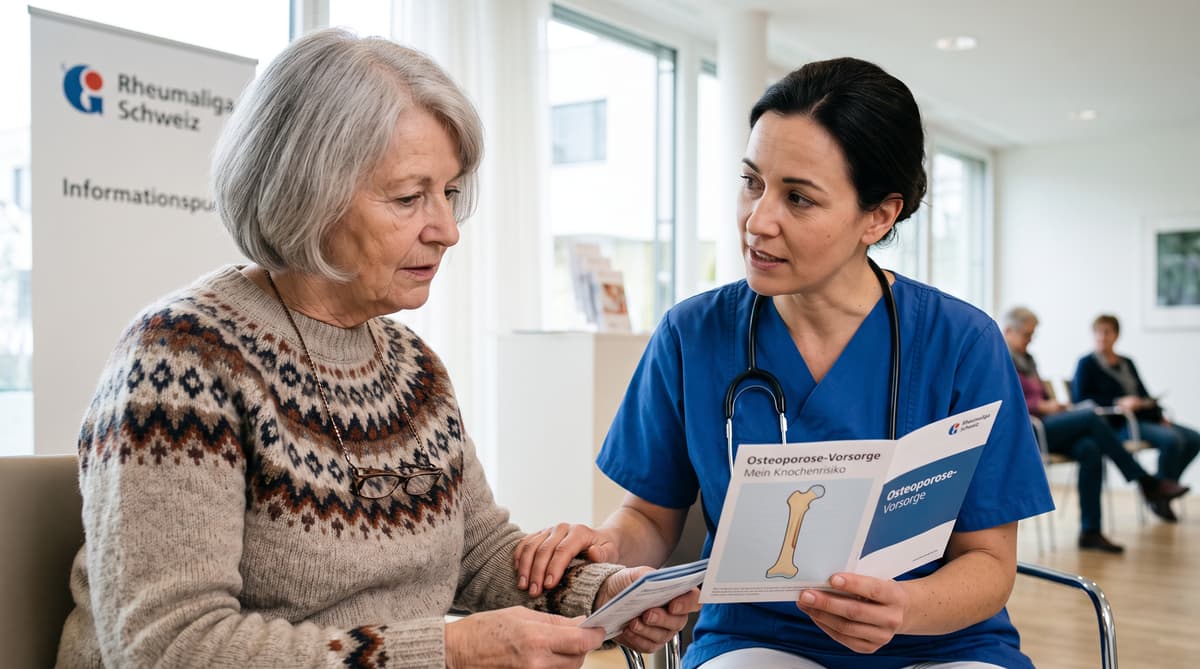
Around 684,000 women in Switzerland are estimated to have osteoporosis without treatment. The figure, cited by the Swiss Rheumatism League from the International Osteoporosis Foundation, underpins the organisation's first national campaign on bone health. The initiative calls on people to assess their risk before a fracture forces the issue into the open.
Osteoporosis is a rheumatic disease that weakens bones and can progress quietly. Many people do not notice changes until a fall or other injury causes a fracture. The Swiss Rheumatism League says this silent development contributes to missed diagnoses and inadequate care across Switzerland.
The campaign arrives as the league marks World Rheumatism Day on Monday. Its public messages use familiar settings and everyday language rather than medical imagery. Slogans such as “No world is cushioned enough for brittle bones” are designed to connect bone health with ordinary life, where a fracture can affect mobility, independence and recovery.
The league is promoting a new osteoporosis risk check. It wants people to address possible risk factors earlier, while clinicians can still assess bone health and discuss appropriate next steps.
Track Risk Before the First Fracture
One in two women over 50 is expected to suffer an osteoporosis-related fracture during her lifetime. The corresponding estimate for men is one in five, according to the Swiss Rheumatism League. These figures describe a long-term risk across the population, not an individual prediction, but they show why the organisation is targeting both women and men.
Age is central to the campaign's message. The league identifies 50 as the point from which fracture risk becomes a significant public health concern. Yet osteoporosis often produces no warning signs during the years when bone strength is declining. People may feel well while the disease develops unnoticed.
That silence can delay conversations with doctors. Without symptoms, individuals may not seek an assessment, and clinicians may have no immediate reason to investigate bone density or other risk factors. The result can be a diagnosis only after a fracture.
The campaign's risk check is intended to move that assessment earlier. It gives members of the public a practical entry point for discussing bone health, particularly if they are over 50 or have concerns about their fracture risk. The source material does not identify separate regional rates for Switzerland's cantons.
Close the Follow-Up Gap
A fracture often fails to trigger a targeted osteoporosis assessment in Switzerland. The Swiss Rheumatism League identifies this missed follow-up as a major gap in care. When the underlying disease remains unrecognised, patients can face further fractures that might have been prevented through earlier evaluation and management.
The organisation does not provide a national breakdown by canton or a precise count of untreated men in the material released for the campaign. It says the scale of the treatment shortfall among men is not yet known. That missing information limits the ability to compare the situation across genders and regions.
The care gap also highlights the importance of what happens after an injury. A fracture in an older adult can be treated as an isolated accident, even when it may signal fragile bones. The league is urging health professionals and patients to consider bone health as part of that follow-up.
The campaign's emphasis on early assessment reflects a prevention strategy rather than a promise that every fracture can be avoided. It seeks to identify risk before an injury, and to make bone health a more routine part of conversations between Swiss patients and their doctors.
Turn Awareness Into Early Action
The Swiss Rheumatism League is asking people to use its new osteoporosis risk check before symptoms appear. The tool forms the practical centre of the national campaign, which aims to raise awareness of healthy bones and encourage earlier action. The league presents the check as a way to start assessing personal risk, not as a substitute for medical care.
The campaign also places osteoporosis within daily Swiss life. Its slogans refer to cushioning and soft surfaces, drawing attention to the fact that no environment can remove the consequences of brittle bones. The approach avoids clinical imagery and focuses on situations familiar to the public.
For people aged 50 and above, the league's figures offer a clear reason to discuss bone health with a healthcare professional. Women face the higher estimated lifetime fracture risk, while the organisation says the size of the untreated problem among men remains unclear. Both groups can develop the disease without obvious symptoms.
The immediate policy challenge is better recognition: identifying risk earlier, following up fractures with targeted assessments and improving public understanding. The campaign supplies a national message. Its longer-term impact will depend on how widely people use the risk check and how consistently the health system responds.