Switzerland
Swiss authorities warn of risks from illegal streaming sites
A new industry alliance and the Federal Office for Cyber Security are warning people in Switzerland about risks associated with illegal streaming sites. A cited study found that 18.5% of Swiss residents aged 16 to 24 use the sites.
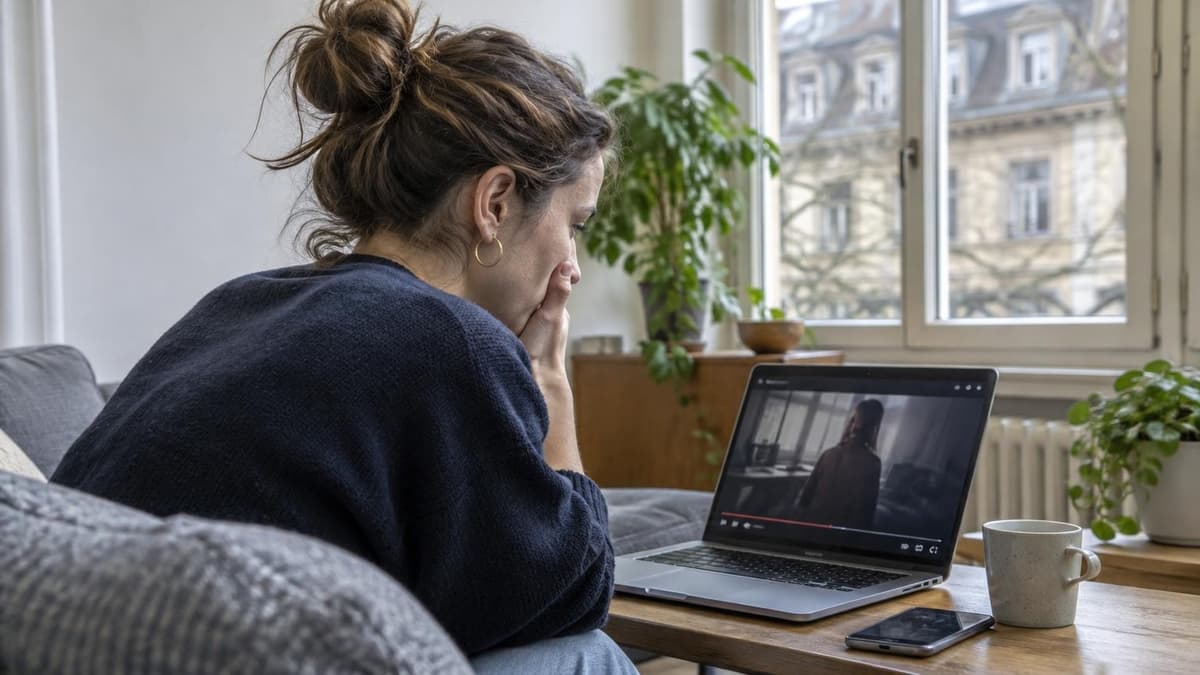
Illegal streaming has reached around 630,000 people in Switzerland, prompting a new campaign alliance and a warning from the Federal Office for Cyber Security. The Audiovisual Anti-Piracy Alliance (AAPA) estimates that just over 9% of residents aged 16 to 74 visit illegal streaming sites. Among 16 to 24-year-olds, the share rises to 18.5%.
The StreamSafe campaign brings together Swiss and international organisations from sport, media and entertainment. Its members include Swisscom, Sunrise, CH Media, Sky Switzerland, and the Swiss football and ice hockey leagues. The alliance launched in October 2026 to raise awareness of the risks and consequences of using illegal services.
The warning comes as rising subscription prices and a fragmented market for films, series and live sport push some viewers towards unauthorised sites. For users, BACS says the risks can extend well beyond copyright: software downloads from dubious sources can also install malware, and fraudulent sites can target personal and payment information.
Trace the scale of illegal streaming
The share of users is highest among young adults: 18.5% of Swiss residents aged 16 to 24 use illegal streaming websites, compared with just over 9% across the 16 to 74 age group. The AAPA puts the total number of Swiss visitors at around 630,000.
The activity also generates substantial revenue. Illegal streaming services are estimated to have made around CHF 33 million from users in Switzerland. Worldwide, the organisations behind them are said to have earned around $2.4 billion.
Across the EU, the United Kingdom and Switzerland, 34.4 million people accessed illegal streaming websites in 2025. That is 151.1% more than the 13.7 million recorded in 2018. The United Kingdom accounted for the largest national share, with around 6.3 million users. The AAPA also recorded a sharp rise in visits to such websites worldwide, from around 130 billion in 2020 to 216 billion in 2024. Most visits went to sites offering films and television series.
Protect devices and payment details
A suspicious download can put a device and personal data at risk. BACS says software obtained from dubious sources may install malware alongside the intended programme. Fraud and phishing are also financially motivated, and can lead to blackmail, including after criminals encrypt data on a victim’s computer. The office warns that artificial intelligence is making these tactics more targeted and insidious.
BACS recommends using only the official websites of the relevant organisations. Anyone who has entered personal or payment details on a fraudulent site should reset the device to factory settings. If card details may have been stolen, the card or other payment method should be blocked and account statements checked.
People can report incidents to BACS. If they have suffered financial loss, they should also contact the police. These steps address different parts of the risk: securing a potentially compromised device, limiting further access to funds, and reporting the incident to the relevant authorities.
Navigate subscriptions and Swiss law
Swiss copyright rules distinguish private viewing from sharing. Downloading and watching copyright-protected works for private use is not a criminal offence in Switzerland, according to the report. The rule does not cover video games or computer programmes. Sharing a downloaded file with other users, a practice known as seeding, breaches Swiss law.
The growth in illegal streaming has accompanied changes in the legal market. During the Covid-19 pandemic, many streaming services gained subscribers, while fewer users visited illegal sites. The AAPA study records visits to illegal streaming websites rising again from around 130 billion worldwide in 2020 to 216 billion in 2024.
Comparis market analyses put the share of Swiss residents paying for at least one streaming service at between 50% and 60%. The report links the renewed appeal of illegal sites to higher subscription prices, fragmented live sports rights and providers ending password sharing. For viewers weighing several subscriptions, the campaign’s warning is practical: unauthorised sites can expose devices and payment details to cybercrime, even as the legal market becomes harder to navigate.