Switzerland
Swiss voters to decide on noisy-fireworks ban on November 29
Swiss voters will decide on November 29 whether to ban the sale and use of noisy fireworks. A recent poll found the proposal has broad support, as debate grows over the effects of fireworks on people, animals and the environment.
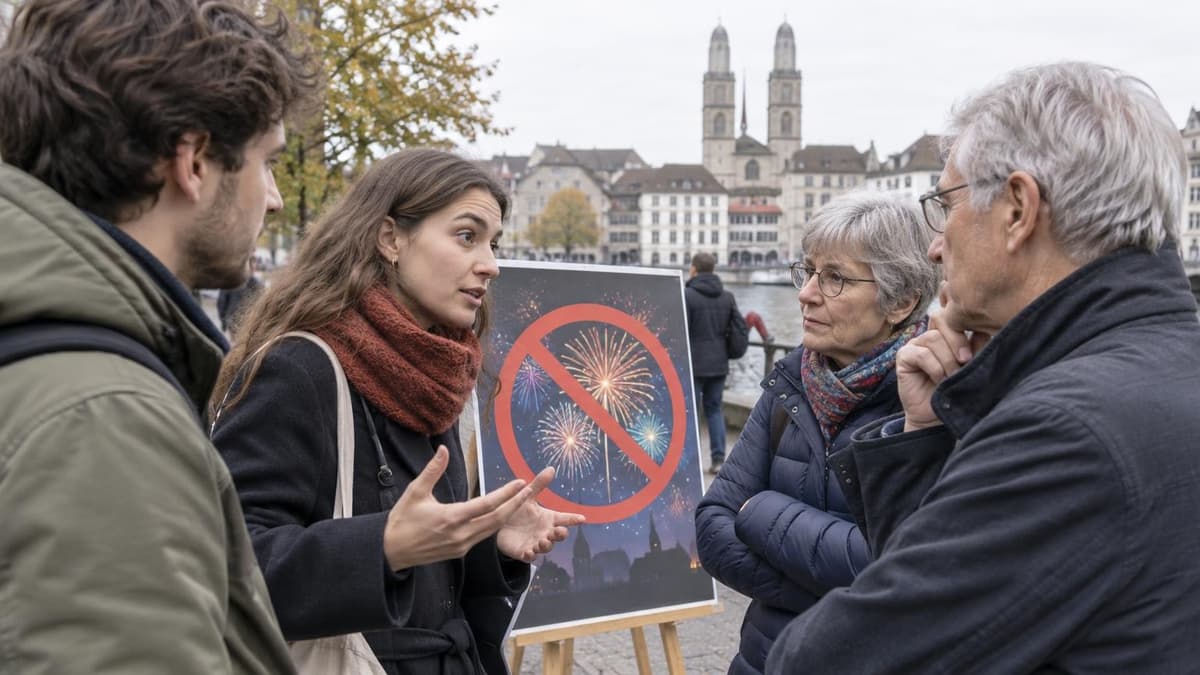
Nearly seven in ten intended voters back the proposal, according to a gfs.bern poll for SRG SSR published on October 23. Switzerland votes on November 29 on whether to ban the sale and use of noisy fireworks, putting a familiar feature of national-day and New Year celebrations at the centre of a debate over noise, animal welfare and environmental harm.
The poll found 69% support, 29% opposition and 2% undecided. That gives the initiative a clear lead in the survey, though the figures capture opinion at one point in the campaign. SWI swissinfo.ch reports that support spans language regions and political parties, a notable showing in a country often reluctant to limit individual freedoms.
The initiative was submitted by animal-welfare organisations. Its supporters say private fireworks have become excessive, with firecrackers sometimes set off before and after public holidays. Opponents argue that the disruption is concentrated in a few days each year and that existing rules let local authorities respond. The vote will decide whether Switzerland adopts a national restriction, with exceptions for some major events.
Draw the Line on Fireworks
The initiative targets noisy fireworks, not every form of celebration. If approved, the measure would prohibit their sale and use. Quieter items, including sparklers and traditional fountains, would remain legal, while cantons could allow exemptions for major events of wider regional importance, including Switzerland’s August 1 national-day celebrations.
The Swiss People’s Party, the Liberals and the Centre oppose the proposal, as does the federal government. Environment Minister Albert Rösti has pointed to bans introduced by cantons over the summer, arguing that local authorities can act when conditions require it. Opponents say a uniform national rule would reduce the room cantons and municipalities have to tailor restrictions.
They also describe fireworks as part of New Year and national-day traditions, from village gatherings to events organised by local associations. A nationwide ban, they argue, would reach private parties as well as public festivities and restrict commercial freedom. Their preferred approach is personal responsibility and targeted local rules. Supporters counter that private use is the main source of the disturbance and that existing controls have not stopped fireworks being set off beyond the main celebrations.
Weigh Wildlife, Waste and Jobs
Supporters cite 1,300 tonnes of fireworks waste each year, alongside noise and air pollution. Swiss Animal Protection, Four Paws and the Franz Weber Foundation back the initiative. The Socialist and Green parties supported it in parliament. They argue that explosions can frighten people and animals, and that debris left in fields, meadows and public spaces can harm wildlife or be swallowed by animals.
Animal-welfare groups say sudden blasts can trigger panic, injuries and deaths as animals try to flee. Wild animals have few places to shelter from the noise, while reports of missing pets typically rise around festivities. Swiss Animal Protection says it received no reports of missing dogs during this year’s national-day celebrations, when private fireworks were banned because of a heatwave.
Opponents raise a different cost: they say the ban could put 300 to 350 full-time jobs at risk and drive Swiss businesses into bankruptcy. They also warn that consumers could turn to unreliable foreign websites, where imports would be harder to police. The campaign therefore weighs the effects of private fireworks against concerns about jobs, enforcement and established celebrations.
Trace Fireworks’ Changing Role
Sociologist Sandro Cattacin sees the polling lead as part of a wider change in social attitudes. The University of Geneva professor says tolerance for noise has declined, particularly amid high stress and heavy workloads. Public concern has also grown around animal welfare, environmental effects, fire risk and people with health problems.
Fireworks have carried different meanings over time, Cattacin explains. In the Renaissance, elites used displays to demonstrate wealth and power. As nation states developed, fireworks became a way to express collective identity. Switzerland’s August 1 celebrations still show that role: crowds look toward the same illuminated sky and share a public moment associated with national belonging.
Cattacin argues that fireworks now serve more often as an urban marketing tool than as a means of creating belonging. That shift helps explain why a practice once closely tied to prestige and public celebration faces stronger scrutiny. Ireland and the Netherlands have already imposed severe restrictions, according to SWI swissinfo.ch. On November 29, Swiss voters will decide whether the country follows with its own national limits, while retaining the proposed exemptions for quieter fireworks and some major events.