crime
Swiss Winemaker Sentenced for Wine Fraud
Valais court increases prison sentence to 45 months for winemaker who sold foreign wines under local Swiss AOC label.
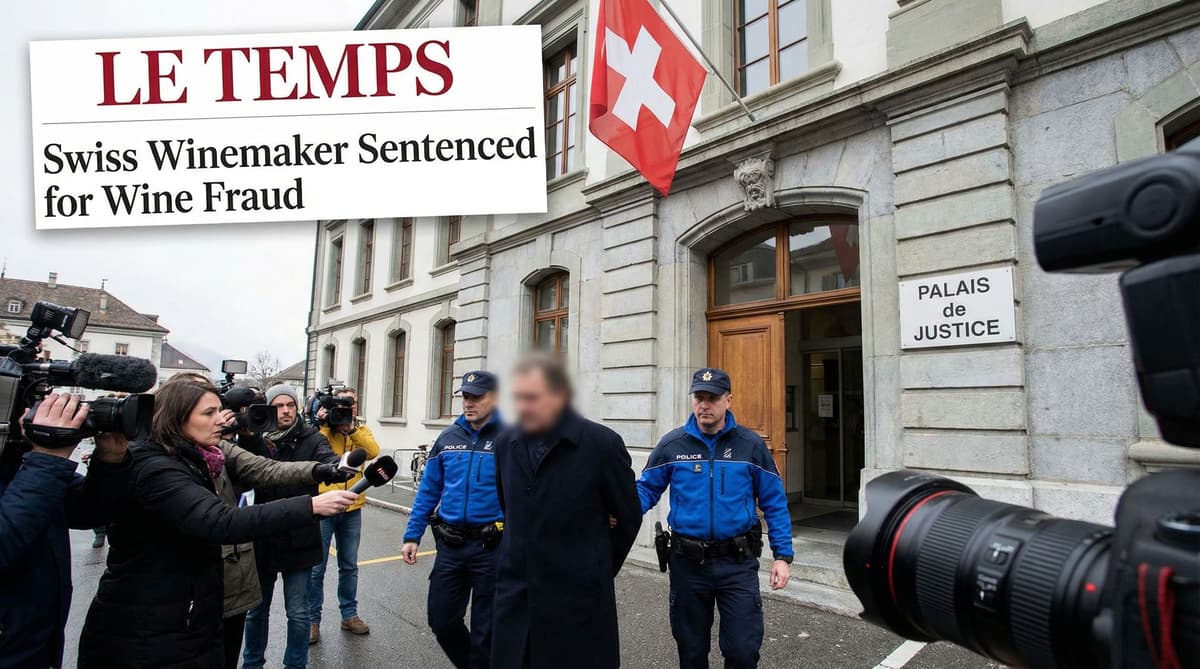
The gavel has fallen with undeniable force in Sion. In a definitive move that sends shockwaves through the Swiss viticulture industry, the Valais Cantonal Court has sentenced winemaker Cédric Flaction to a staggering 45 months in prison. This is not merely a confirmation of guilt; it is a significant escalation. The court rejected leniency, increasing the sentence from the initial 42 months handed down in 2024, signaling zero tolerance for those who tamper with the integrity of Swiss products.
Flaction stood accused of a litany of offenses, including fraud, unfair management, and the forgery of documents. On Tuesday morning, the court validated these charges, cementing his downfall. While the defense had fought for a suspended sentence, the judiciary has made it clear: white-collar crime in the wine cellar warrants hard time. This ruling serves as a stark warning to any producer considering compromising the sacred trust between winemaker and consumer. The message is loud and clear—fraudulent practices will be met with the full, unyielding weight of the law.
A Massive Import Scheme Exposed
The scale of the deception is nothing short of industrial. Between 2009 and 2015, Flaction orchestrated a massive influx of foreign liquid into the heart of the Valais. The numbers are damning: over 730,000 litres of Spanish wine and nearly 130,000 litres of wine from Schaffhausen were funneled into his operation. This was not a minor blending error; it was a calculated, high-volume substitution of cheaper imports for premium local produce.
To conceal this flood of foreign grapes, the operation relied on a sophisticated web of administrative lies. Flaction disguised these massive purchases from two German companies by burying them under false invoices labeled as "cellar services," "bottling," and "advice." These hundreds of thousands of litres were then seamlessly mixed with genuine Valais wine, effectively diluting the product while maintaining the premium price point. The audacity of the scheme highlights a critical vulnerability in the supply chain, where paper trails can temporarily mask the physical reality of what is actually in the tank.
Betraying the AOC Label
This case strikes at the very heart of the Valais identity: the Appellation d'Origine Contrôlée (AOC). By marketing this adulterated blend under the prestigious Valais AOC label, the fraud did more than steal money—it stole reputation. The AOC designation is a promise of origin, quality, and terroir. When over 860,000 litres of foreign liquid are sold as local heritage, that promise is shattered.
Consumers paying premium prices for what they believed to be authentic Swiss wine were, in reality, drinking a concoction that had no right to the label. The court's finding of "fraud against the Valais AOC" underscores the severity of this betrayal. It is an economic attack on every honest winemaker in the region who adheres to the strict regulations of the appellation. In an industry built entirely on trust and geographical distinctiveness, Flaction's actions represent a toxic breach that the region is now working aggressively to purge from its record.
Justice Tightens Its Grip
The legal aftermath of this scandal has been a fierce battle between accountability and evasion. At the second-instance trial last July, the public prosecutor demanded a severe 5-year prison term, emphasizing the gravity of the systematic fraud. In stark contrast, the defense pleaded for a complete suspended sentence, attempting to keep the winemaker out of prison entirely.
The court's final decision to settle on 45 months—an increase from the previous ruling—demonstrates a judiciary unwilling to compromise. While falling short of the prosecutor's maximum demand, the sentence is a decisive rejection of the defense's plea for leniency. This ruling sets a formidable precedent for the Swiss wine industry. As the Valais region looks to move forward, this sentence serves as a permanent reminder: the cost of faking authenticity is freedom itself. The era of impunity for labeling fraud is over; the courts are watching, and the penalties are rising.