tourism
Swiss Parliament Proposes Transit Tourism Tax
New legislation aims to tax foreign drivers passing through Switzerland, sparking debate over implementation costs and effectiveness
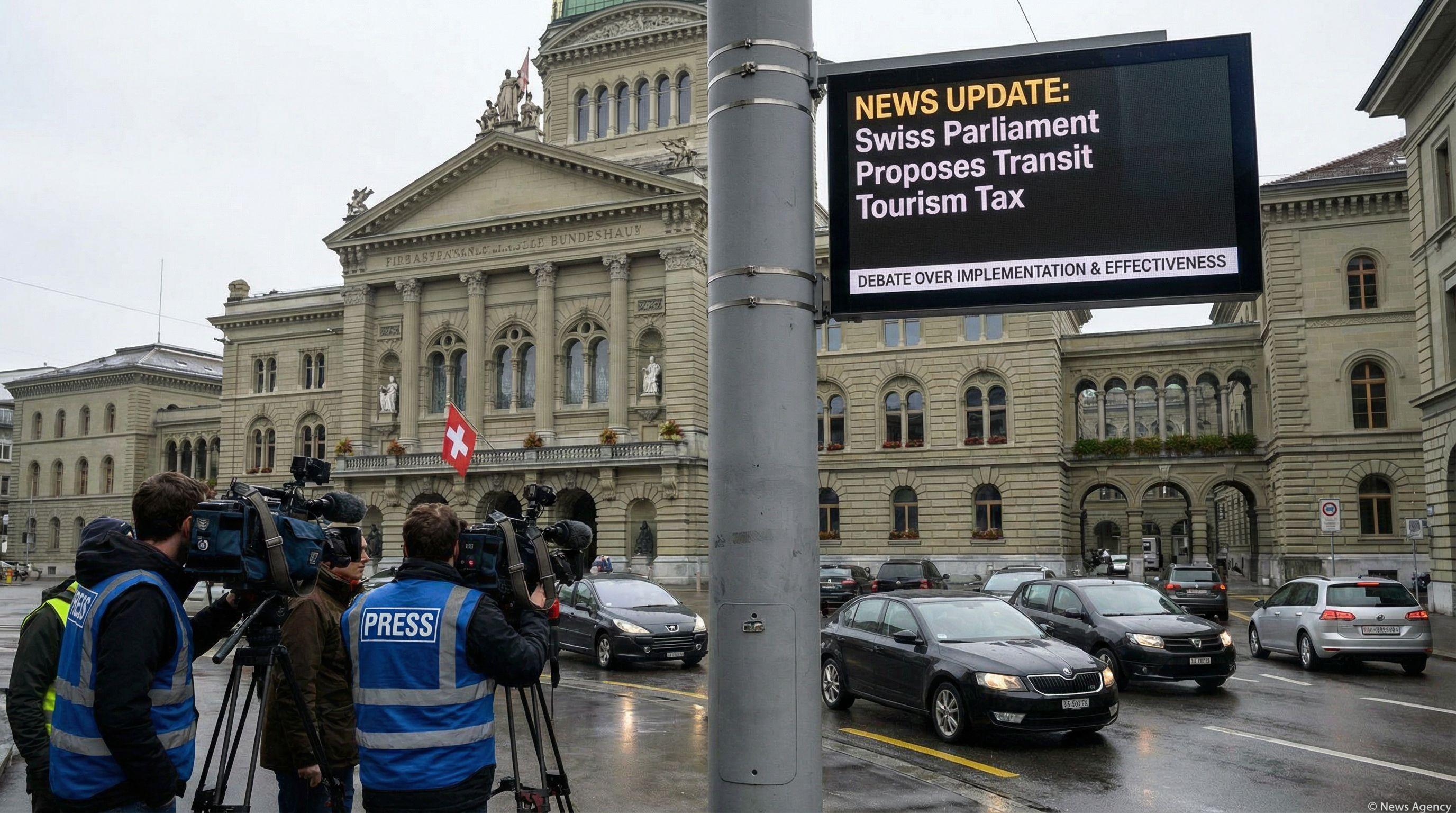
Slamming the Brakes on Transit Traffic
Switzerland is officially declaring war on gridlock. In a decisive move, the Senate has thrown its weight behind a controversial proposal to tax foreign nationals who use the nation's roads merely as a corridor to other destinations. For too long, the Swiss populace has watched helplessly as their pristine alpine highways transform into sluggish arteries of European transit. Heidi Z’Graggen, a centre-right parliamentarian, did not mince words: "The traffic keeps growing and growing, and it’s getting out of hand."
The frustration is palpable and rising. Senators are no longer willing to accept the status quo where private transit traffic clogs vital routes without contributing significantly to the local economy. Stefan Engler, a Senator from Graubünden, painted a grim picture of the future, admitting that the projected increase in traffic is "quite frightening." This legislative push, spearheaded by the Swiss People’s Party (SVP), marks a pivotal shift in how Switzerland manages its borders and its patience. The message is clear: the free ride through the Alps is coming to an end.
Leveraging Tech to Toll the Borders
The proposed system is not a blunt instrument; it is a calculated, dynamic mechanism designed to hit drivers where it hurts—their wallets—exactly when traffic is worst. The tax will be set flexibly, surging based on the time of day, the day of the week, and real-time traffic density. This "congestion pricing" model aims to deter peak-time transit, forcing drivers to either pay a premium or alter their routes.
Critics arguing against the feasibility of such a system are being met with hard facts. Marco Chiesa, the SVP parliamentarian behind the proposal, asserts that the infrastructure is already in place. "Implementation is technically feasible," Chiesa declared, pointing to a robust network of surveillance. "Over 170 border crossings are already equipped with automatic license plate recognition." This existing digital dragnet could be repurposed to automatically identify and bill vehicles that enter and exit the country without a "significant stay," turning border security cameras into efficient toll collectors.
Navigating the Diplomatic Minefield
While the Senate is charging ahead, the Federal Council is pumping the brakes, citing a bureaucratic nightmare and potential diplomatic fallout. The government has rejected the introduction of the tax, warning of the complex monitoring required to distinguish between a tourist contributing to the economy and a driver simply passing through. Transport Minister Albert Rösti highlighted the ambiguity, noting it is unclear what constitutes an "essential stop" that would exempt a driver from the fee.
Beyond the logistics lies the looming shadow of the European Union. Relations with Brussels are always a delicate dance, and a unilateral tax on EU citizens could step on toes. While Rösti confirmed that such a levy is technically compatible with existing agreements, the political reaction remains a volatile variable. However, Eric Nussbaumer, president of European Movement Switzerland, dismisses these fears. He argues that the EU cannot cry foul when its own member states utilize vignettes and section-specific tolls. "It’s the same in other countries," Nussbaumer stated, suggesting that Switzerland is merely catching up to international norms.
Questioning the Cure for Congestion
Despite the political momentum, experts are casting doubt on whether this tax will actually clear the roads. Alexander Erath, a Professor of Transport and Mobility, warns that lawmakers might be overestimating the impact of foreign transit on overall gridlock. While the tax might provide relief on heavy travel days between borders, it ignores the elephant in the room: domestic drivers.
"On other days, when Swiss domestic traffic in particular leads to traffic jams at the Gotthard, it has little effect," Erath cautioned. The reality is that Swiss residents themselves are responsible for a significant portion of the congestion that plagues major arteries. If the goal is free-flowing traffic, targeting only foreigners might be a political win but a practical failure. The tax risks being a placebo—a measure that feels good to enact but does little to cure the chronic disease of alpine congestion.
The Constitutional Hurdle Ahead
This proposal is far from a done deal; it is merely the first step on a long, arduous legislative path. The tax must now survive the House of Representatives, a step considered a mere formality given that five similar proposals have been submitted in the past. The political appetite is clearly present, but the legal hurdles are high.
If both chambers agree, the Federal Council will be tasked with drafting a bill, which must then be approved again by both councils. But the final word will belong to the people. According to the Federal Council, introducing a transit tax requires an amendment to the Federal Constitution. This triggers a mandatory national referendum. Ultimately, Swiss voters will decide if they are ready to rewrite their constitution to put a price tag on the privilege of driving through their country.