asylum
Swiss lawmakers back tougher asylum measures and dual-nationality sanctions
The House of Representatives has backed tougher asylum measures, including possible citizenship revocation and deportation for dual nationals convicted of the most serious crimes, as well as changes affecting Afghan women’s applications. Explain what was approved and the likely legal and political obstacles ahead.
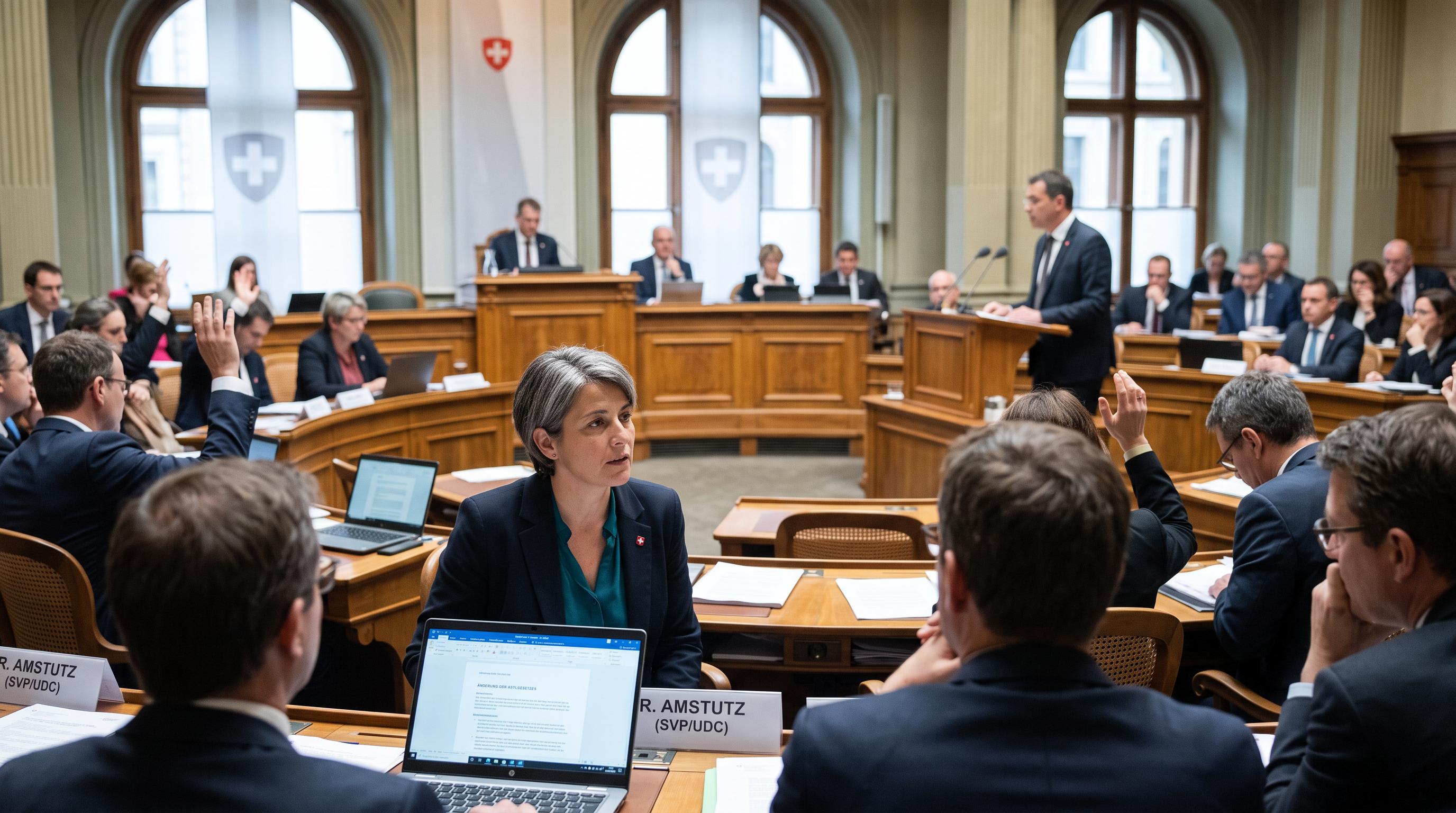
National Council backs a tougher asylum line
The National Council has endorsed a package of asylum restrictions that could reshape Switzerland’s treatment of some refugees and foreign criminals. On Thursday, September 17, lawmakers backed motions covering citizenship, deportation, Afghan asylum applications, return cooperation and Switzerland’s relationship with European Union rules.
The votes came during an extraordinary session dedicated to the EU and asylum policy. The Swiss People’s Party parliamentary group supplied several of the proposals, while the federal government opposed all nine motions debated by the chamber.
The most consequential measure targets dual nationals convicted of the most serious crimes. It calls on the government to revoke their Swiss citizenship and deport them. The motion does not itself remove anyone’s nationality or order an expulsion. It instructs the government to develop and pursue that policy, which would require further legal and political steps.
Another proposal would change the federal approach to Afghan women seeking protection. Under the National Council’s position, they would no longer be automatically granted asylum and would instead receive provisional admission. That status offers protection from immediate removal, but it differs from formal asylum recognition in legal status and residence rights.
The package now moves to the Council of States.
Dual nationality plan faces legal tests
The dual nationality proposal would test the limits of Switzerland’s citizenship law and its obligations under international law. Lawmakers want the government to revoke the Swiss citizenship of dual nationals convicted of the most serious crimes, followed by deportation.
Any implementation would need a precise definition of the offences covered and clear rules governing evidence, appeals and proportionality. A policy that removes citizenship from a person who holds another nationality would also have to operate within constitutional guarantees and Switzerland’s obligations under human rights treaties. The National Council’s vote does not settle those issues.
Deportation would create a second legal hurdle. Swiss authorities would need to establish that removal is permitted, identify the receiving country and assess whether the individual would face prohibited treatment there. Courts could be asked to review both the loss of citizenship and the expulsion decision.
The proposal’s political path is also uncertain. The Council of States must consider it, and the federal government has already rejected the motion. If Parliament ultimately demands legislation, the text could face scrutiny from parliamentary committees, legal experts and possibly a referendum campaign.
For now, the vote signals pressure from the right for a more punitive approach to serious crime involving people with foreign ties. It does not create an immediate deportation mechanism.
Afghan women’s protection status comes under review
The proposed change for Afghan women would alter the legal presumption applied to a highly vulnerable group of asylum applicants. The National Council wants the government to stop treating Afghan women as automatically eligible for asylum and to grant provisional admission instead.
The distinction matters. Asylum recognition gives a person a formal protection status under Swiss law. Provisional admission protects someone from removal when return is unlawful or unreasonable, but it is a different form of residence and does not carry identical rights or long term security.
The motion would therefore affect more than administrative terminology. It could influence residence stability, family arrangements and the prospects of people seeking to build a life in Switzerland. The source report does not specify how the proposed change would be applied to individual cases or whether existing decisions would be reopened.
The measure would also need to pass through the ordinary legal process before it could change practice permanently. The federal government opposed the motion, and the Council of States has yet to vote. Any new rules would remain subject to judicial review, including assessment of individual circumstances and the principle of non-refoulement, which bars returns to places where a person faces serious harm.
The debate places Swiss asylum administration under renewed pressure as lawmakers weigh consistency, security and protection obligations.
Asylum policy collides with EU and return politics
The asylum package also links migration policy to relations with Brussels and governments that resist accepting returnees. One motion asks the federal government to reject, within the Joint Committee on the Free Movement of Persons, any proposed EU change concerning compensation for unemployed cross-border workers.
That proposal sits alongside calls for targeted sanctions against countries of origin that refuse to cooperate with the return of their citizens. The National Council wants Parliament to introduce legislative amendments allowing such measures. The source report does not specify which countries would be targeted, what sanctions would apply or how quickly they could be imposed.
The combination reflects the breadth of the parliamentary session. Lawmakers were debating asylum procedures, deportation and nationality rules, while also challenging possible adjustments to arrangements linked to the free movement of persons. Those subjects involve different legal frameworks and would require separate implementation steps.
The government’s rejection of all nine motions means the National Council’s votes do not represent the executive’s policy position. The Council of States could amend or reject the proposals. Even if both chambers agree, the government and Parliament would still need to translate the motions into enforceable rules, where compatibility with bilateral agreements and international commitments would become central.
The next stage will show whether the measures can gather support beyond the National Council’s majority.
The Senate and courts will decide what survives
The Council of States now holds the next procedural decision, while the federal government remains opposed to the entire package. The upper chamber will review the motions adopted during the National Council’s extraordinary session. It can approve them, reject them or seek changes, depending on the parliamentary process that applies to each proposal.
A further obstacle would arise if the motions require amendments to federal law. Draft legislation would have to be prepared, debated and reconciled between the two chambers. Legal review would examine citizenship deprivation, deportation safeguards, asylum status and the proposed sanctions against countries that refuse cooperation. Any measure affecting Switzerland’s agreements with the EU would face an additional layer of scrutiny.
The government’s position gives the next debate a clear fault line. The National Council majority has demanded a harder approach, while the executive has rejected the motions. The Council of States includes representatives from cantons with differing political priorities, so its deliberations could produce a narrower package or stop individual proposals altogether.
For Swiss asylum policy, the votes are significant because they establish parliamentary momentum, not because they immediately change the law. Afghan applicants will continue to be assessed under the current framework until a valid rule changes it. Dual nationals convicted of serious crimes will not lose citizenship or face deportation solely because of Thursday’s vote.
The coming stages will determine which proposals survive legal review and chamber politics.