finance
Swiss Financial Watchdog Seeks Enhanced Enforcement Powers
FINMA calls for legal reforms to strengthen early intervention capabilities and introduce new executive liability measures
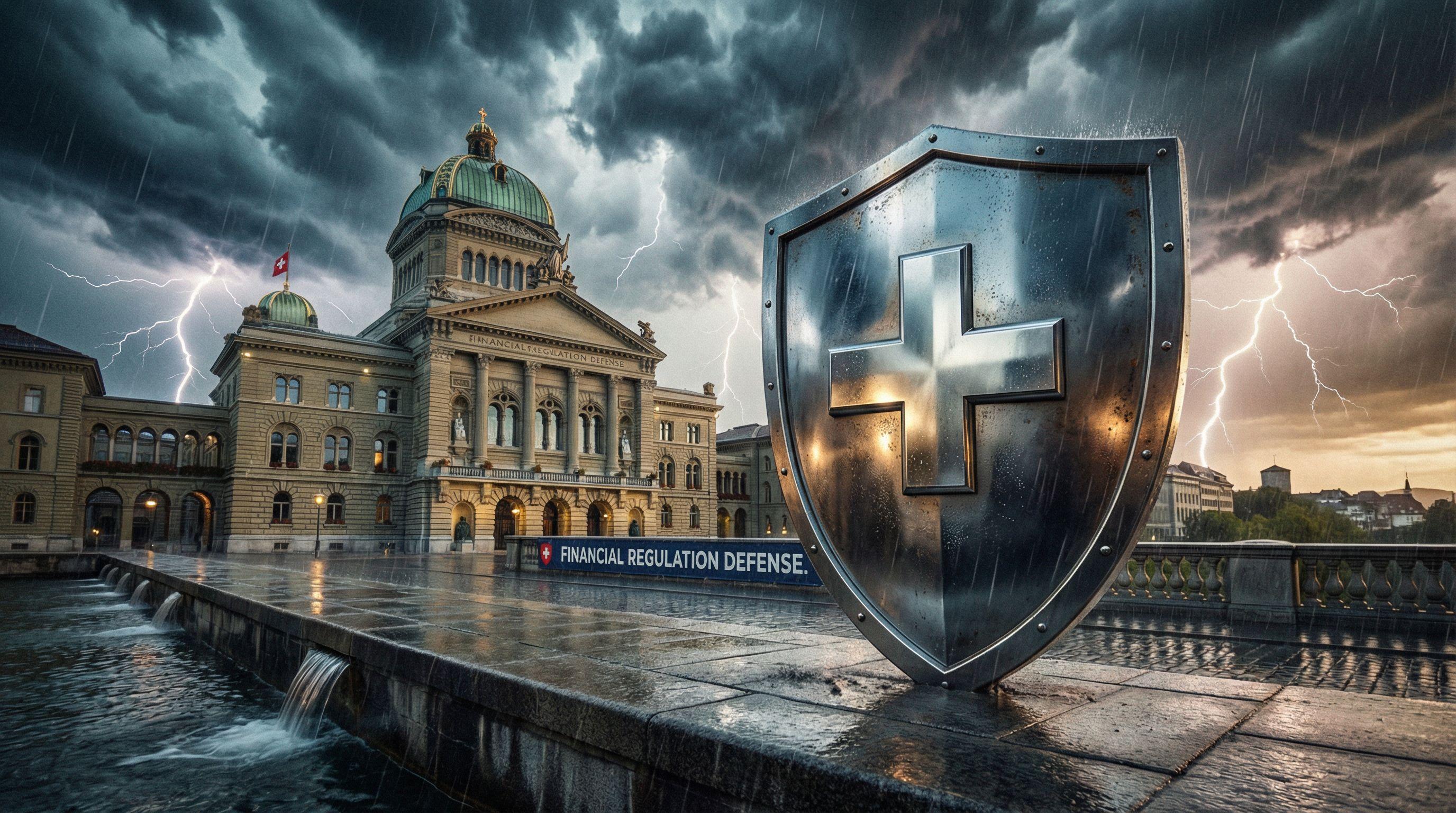
Demanding the Teeth to Bite
Switzerland’s financial guardian is done barking—it is now demanding the legal power to bite. In a bold move that signals a paradigm shift for Swiss banking, the Financial Market Supervisory Authority (FINMA) is calling for an urgent legislative overhaul. The regulator explicitly seeks the authority to intervene before a crisis detonates, targeting institutions where the board and management fail to reflect sound risk culture. This is not merely about adjusting spreadsheets; it is a direct confrontation with the corporate governance failures that have plagued the sector.
FINMA Chair Marlene Amstad has drawn a line in the sand, asserting that the watchdog requires an "appropriate legislative framework" to enforce compliance effectively. The goal is not to drown banks in new red tape, but to arm the regulator with "coercive instruments" that have a genuine preventive effect. By seeking to intervene early when "core values" are ignored, FINMA is attempting to pivot from a reactive observer to a proactive enforcer, ensuring that the systemic rot which claimed Credit Suisse can never take root again.
Enforcing Executive Accountability
For too long, top-tier bankers have operated under a veil of collective ambiguity, but FINMA intends to pierce that shield. The watchdog is pushing for a rigorous liability regime for executives, a move that would force individual accountability into the C-suite. Alongside this, FINMA is demanding the power to impose direct fines—a standard tool for global regulators that has been conspicuously absent in the Swiss arsenal. This represents a critical tightening of the screws on bank leadership.
Crucially, the regulator is also fighting for the right to transparency. Currently bound by strict secrecy laws, FINMA wants the authority to communicate publicly about its supervisory activities. This shift would end the era of silent enforcement, bringing regulatory actions into the daylight. As Amstad emphasized, the agency needs to be "more consistent in the event of a breach," transforming the regulatory landscape from a gentleman's agreement into a strict regime of consequences. The message to Swiss bankers is clear: the era of impunity is facing its expiration date.
The Shadow of Credit Suisse
The ghost of the Credit Suisse debacle looms large over every move FINMA makes. The regulator's aggressive posture is a direct reaction to the shortcomings that led to the bank's historic collapse. Nowhere is this scrutiny more intense than on UBS, the surviving giant now tasked with integrating its former rival. In 2024 alone, FINMA executed approximately 40 on-site inspections specifically targeting UBS, both within Switzerland and abroad. This is surveillance on a massive scale.
The regulator is not taking the "too big to fail" risk lightly. Beyond the specific focus on UBS, FINMA's 2024 annual report reveals a flurry of activity: 111 on-site inspections of banks, 55 of insurers, and 20 in the asset management sector. Furthermore, the watchdog completed 38 investigations against companies and individuals. This data underscores a regulator that is already stretching its current mandate to the limit, conducting stress tests on mortgage portfolios and interest rate risks to ensure the Swiss financial fortress does not crumble from within.
Confronting the Digital Siege
While regulators battle governance failures in the boardroom, a different kind of war is raging on the servers. FINMA has reported a staggering 30% jump in reported cyber attacks in 2024, signaling a critical escalation in the threat landscape. This is no longer just about financial engineering; it is about the fundamental security of the Swiss financial infrastructure against digital adversaries.
The sharp rise in cyber incidents adds a volatile layer of complexity to an already strained system. As banks digitize and integrate legacy systems—most notably during the UBS-Credit Suisse merger—the attack surface widens. FINMA's call for enhanced powers is not just about punishing bad bankers; it is about ensuring the resilience of the entire financial ecosystem. With threats multiplying in both the physical and digital realms, the demand for a stronger, more agile watchdog has never been more urgent. The question now remains: will the Swiss parliament grant FINMA the weaponry it needs before the next crisis strikes?