Geneva
Geneva talks on autonomous weapons end without a mandate for negotiations
States at a Geneva conference failed to agree on a specific mandate to negotiate a legally binding ban on particularly dangerous autonomous weapons. Nearly 100 countries backed negotiations, but the meeting ended with only minimal consensus.
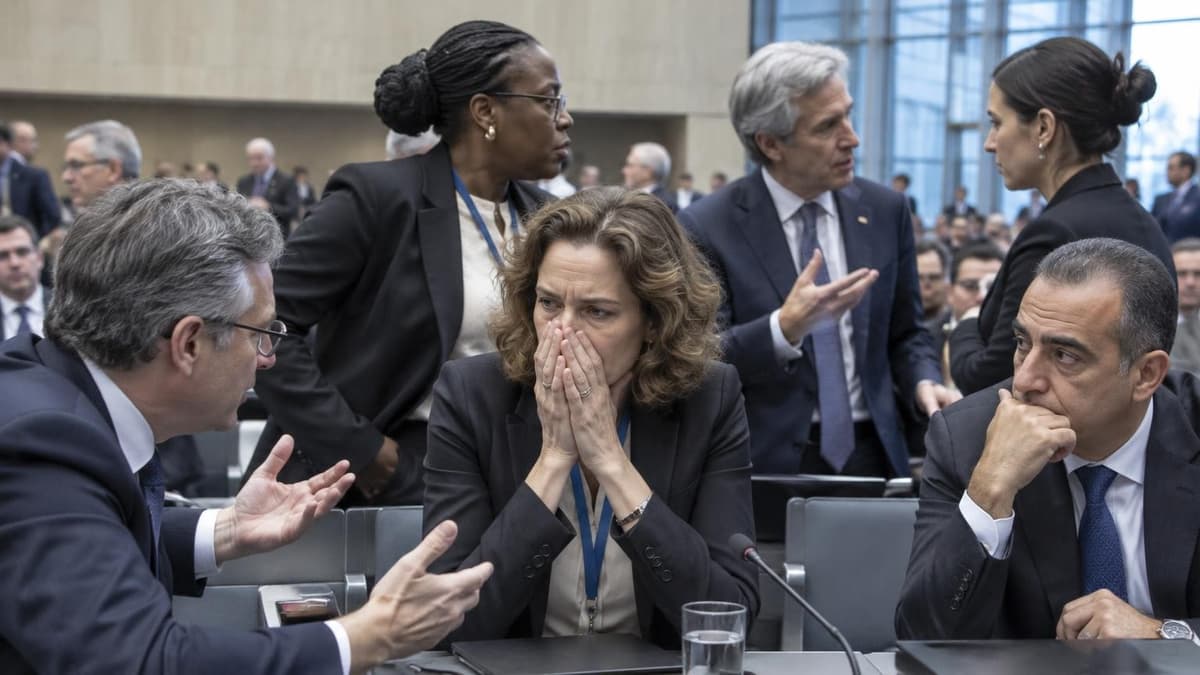
The Geneva conference ended in the early hours of Saturday with no mandate for treaty negotiations. Delegates from the 128 states parties to the United Nations Convention on Certain Conventional Weapons met this week to consider safeguards against fully autonomous weapons. The meeting closed after hours of night-time negotiations, leaving states without an agreed process to negotiate a legally binding ban on particularly dangerous systems.
The issue at stake is whether weapons able to kill without a human giving the final order to fire should be prohibited through binding international rules. Nearly 100 countries spoke in favour of negotiations on such a ban. But the conference did not agree on a specific mandate to begin them. Its outcome was limited to minimal consensus, a result that leaves the proposed treaty process unresolved at this stage.
For Geneva, the meeting brought a central arms-control debate to the city that hosted the talks. Delegates discussed whether, and within what framework, negotiations or further discussions should take place.
Measure the gap between support and agreement
Nearly 100 countries backed negotiations, but support did not translate into an agreed mandate. The proposed negotiations would seek a legally binding ban on fully autonomous weapons capable of killing without a human making the final decision to fire. The conference’s remit this week was narrower: delegates considered whether talks or further discussions should proceed, and under what framework.
That distinction shaped the outcome. Countries could favour a treaty in principle while still failing to agree on a specific instruction to begin negotiating one. The conference closed without that mandate, leaving the next steps in the hands of the process it did approve: government experts are to examine further elements for an agreement by 2028 and propose whether later work should lead to a legally binding treaty.
The figures underline the gap between broad support for negotiations and the conference’s final consensus. The meeting did not settle the rules for autonomous weapons. It set a further period of expert discussion instead.
Track the positions shaping the stalemate
The United States opposed a specific mandate for negotiations. Keystone-SDA identifies Washington as the world’s largest military power and a pioneer in artificial intelligence development, giving its position particular weight in a debate about weapons systems that can make lethal decisions without a human’s final order to fire.
The US opposition was among the obstacles to agreeing on a negotiating mandate. The conference’s failure to adopt one came despite the support of nearly 100 countries for talks on a legally binding ban. The result was a limited consensus, rather than an agreed start to treaty negotiations.
Stop Killer Robots, a non-governmental organisation, described the outcome as disappointing and as representing the lowest common denominator. That assessment reflects the distance between the ambition of countries calling for binding rules and the modest result reached after the Geneva meeting continued into the early hours of Saturday. The conference did not focus on detailed measures to regulate specific weapons. Its deliberations centred on whether a process should begin and what form it should take.
Prepare for the next round of expert work
Government experts are due to discuss further elements for an agreement by 2028. They are also expected to propose whether the work should subsequently lead to a legally binding treaty. That timetable gives states another stage for discussion, but it does not amount to the negotiating mandate sought by countries supporting a ban.
For Switzerland, the immediate significance lies in Geneva’s role as the venue for this arms-control process. The city hosted the conference of states parties to the UN Convention on Certain Conventional Weapons, where delegates considered how to address autonomous weapons. The meeting ended after hours of overnight negotiations, with no specific mandate for a treaty process.
The next phase will therefore focus on government experts examining possible elements of an agreement and recommending a path forward. Whether that work leads to binding rules will depend on the proposal they make and the decisions states take afterward. For now, the conference has left the question open while setting expert discussions through 2028.