Switzerland
Beznau nuclear plant returns to full operation after heatwave shutdowns
The Beznau nuclear power plant is fully operational again after repeated shutdowns during the summer heatwaves. The article should explain what caused the interruptions, how heat affects nuclear-plant operations and what the restart means for Switzerland’s electricity supply and debate over nuclear energy.
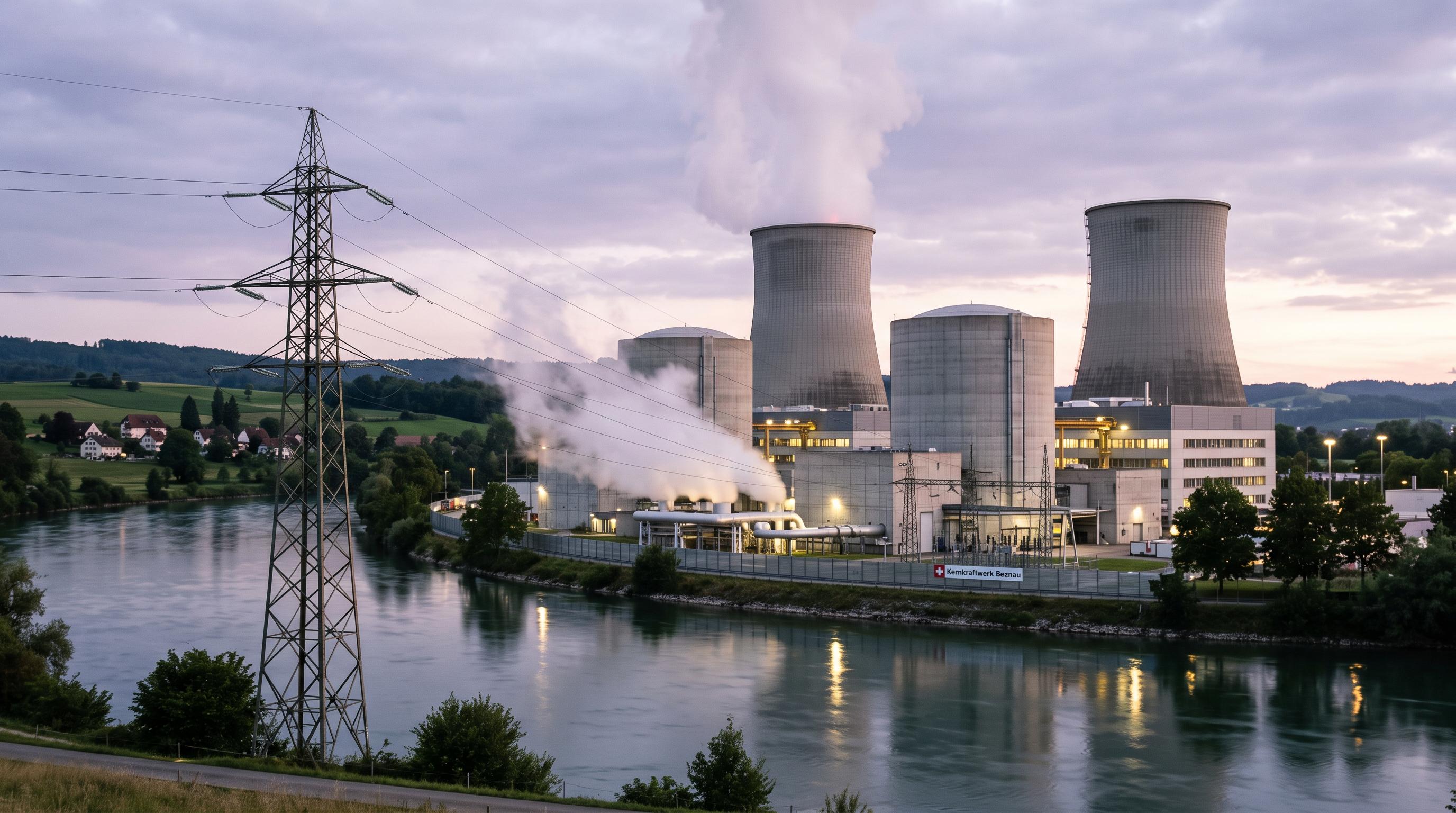
Beznau Restores Full Nuclear Output
Beznau is fully operational again after a summer of forced interruptions. Axpo said on Friday that Reactor 2 at the nuclear power plant in northern Switzerland returned to the grid on Thursday and should reach full capacity within approximately two days. Reactor 1 had already resumed operations on August 21.
The restart restores both of Switzerland's oldest operating reactors at a moment when heatwaves have exposed a practical vulnerability in Europe's nuclear fleet. The Aare River, which supplies cooling water to Beznau, reached unusually high temperatures during the summer. Operators shut the plant in June and again in July as the heat affected operating conditions.
Reactor 2 also spent part of the period offline for planned refuelling. The outage began on August 4, and technicians replaced 20 of the reactor's 121 fuel assemblies. That work was completed before the unit was reconnected.
For Switzerland, the return matters beyond one site in the canton of Aargau. Nuclear power produces just over one third of the country's electricity, and Beznau's two reactors cover around one tenth of Swiss electricity demand. Their return adds capacity to a system that has had to manage both extreme weather and scheduled maintenance.
The Aare Became Beznau's Constraint
A hotter Aare forced operators to interrupt production twice. Nuclear reactors generate heat through fission, then use that heat to produce steam and electricity. The plant must continuously remove residual heat through its cooling system. Beznau draws on the Aare River, a major waterway that drains nearly half of Switzerland before flowing into the Rhine.
During the June and July heatwaves, the river became unusually warm. That reduced the margin available for cooling operations and led to temporary shutdowns. The same pressure affected several nuclear power plants elsewhere in Europe, where operators either reduced output or stopped units during the hot weather.
The interruptions show how river-based nuclear facilities are tied to local environmental conditions. A reactor can remain technically ready while the surrounding water system limits how much heat the plant can safely manage. High temperatures can therefore affect electricity production even when demand is rising because households and businesses use more power for cooling.
Beznau's experience also gives Switzerland a concrete example of climate-related operational risk. The source report does not identify a permanent change to the plant's operating limits, and Axpo has not announced a new long-term cooling system. For now, the reactors have returned as the Aare has cooled enough to support normal operations.
Refuelling Clears the Way for Reactor 2
Reactor 2 combined a planned maintenance outage with an unplanned summer challenge. Axpo took the unit offline on August 4 for refuelling, a routine part of nuclear plant operation. Workers replaced 20 of 121 fuel assemblies in the reactor core, then carried out the work needed to return the unit to service.
Reactor 1 came back online on August 21. Reactor 2 followed on Thursday, after the refuelling outage and the heat-related interruptions that had affected the site earlier in the summer. Axpo said the unit would gradually increase output and reach full capacity in about two days, rather than instantly returning to maximum generation.
That staged restart reflects the demands of bringing a nuclear reactor back to power. Operators reconnect the unit to the grid, raise output progressively and monitor the plant as it transitions into normal operation. The process also gives the electricity system a predictable flow of additional supply.
The timing matters for the national grid. Switzerland is restoring a significant source of low-carbon generation while Europe continues to manage hotter summers and more volatile energy conditions. Beznau's return does not erase the need for other forms of generation or cross-border electricity trade, but it removes one major source of uncertainty created by the summer outages.
Age, Reliability and the Nuclear Argument
Beznau's two reactors are among the oldest still operating anywhere in the world. Reactor 1 first entered service in 1969, followed by Reactor 2 in 1971. Their age keeps the plant at the centre of Switzerland's argument over how long nuclear power should remain part of the national energy mix.
The site remains important because Switzerland has only four ageing nuclear reactors, yet nuclear power contributes just over one third of national electricity production. Beznau alone supplies around one tenth of Swiss electricity demand, according to the source report. A shutdown at the plant therefore carries consequences well beyond its immediate location in northern Switzerland.
The summer outages add a newer dimension to the long-running debate. Questions about reactor age and safety have traditionally dominated discussion. Heatwaves bring another operational issue into view: the availability and temperature of the water used for cooling. Several European plants faced similar restrictions this summer, showing that the problem extends beyond Switzerland.
The restart gives Axpo and the Swiss electricity sector their full Beznau capacity again. It also leaves policymakers, operators and the public with a more detailed picture of nuclear reliability, one that includes scheduled refuelling, ageing infrastructure and exposure to hotter river conditions.
Switzerland Regains a Key Power Source
Switzerland gets a major electricity source back, while the summer's warning remains. With Reactor 1 operating since August 21 and Reactor 2 returning to the grid on Thursday, Beznau is expected to resume full output within approximately two days. The restoration strengthens supply at a time when the country depends on a mix of domestic generation and electricity exchanges with neighbouring markets.
The immediate effect is straightforward: both Beznau units can again contribute to the grid. Their combined output represents around one tenth of Swiss electricity demand, and nuclear energy as a whole supplies more than one third of Swiss production. That contribution makes the plant's availability significant during periods of high consumption.
The wider lesson is more complicated and more useful for future planning. Beznau's operators had to manage a refuelling outage, repeated heat-related shutdowns and a gradual return to power. The Aare's temperature became a direct factor in production, linking electricity security to river conditions in a way that Swiss consumers could see through the summer interruptions.
Axpo's restart settles the current outage. It does not settle Switzerland's nuclear debate. The country still has to weigh the value of established generation against the operating challenges facing ageing plants in a warmer climate.