Cybersecurity
Cyberattack exposes data of 97,000 cross-border workers in Basel-Country
A cyberattack on Basel-Country exposed 97,000 records containing personal information about cross-border workers, including addresses, dates of birth and permit details. The canton warns affected people to watch for phishing attempts and possible identity theft.
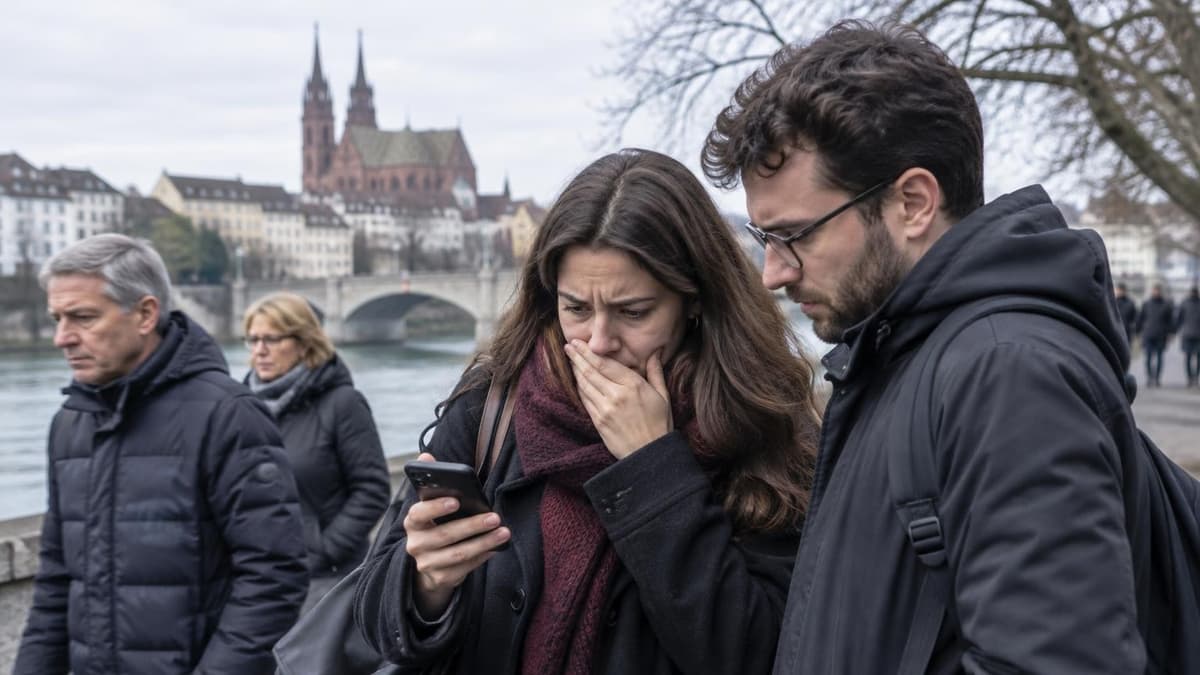
The breach reaches 97,000 records tied to cross-border workers, putting personal and permit-related information in the hands of hackers. Basel-Country said the stolen records concern applications for cross-border commuter permits and include details that can identify individuals, as well as information about their employment.
The canton’s warning is direct: people affected should be alert to phishing attempts and possible identity theft. Personal details can make fraudulent messages more convincing, particularly when they appear to refer to a person’s job or permit. The data exposure also includes employer contact details, according to forensic analyses by cybersecurity experts.
The incident is part of a wider attack on the canton’s IT infrastructure. Basel-Country authorities said earlier that attacks had affected around 20 cantonal applications. The newly confirmed theft gives the wider disruption a specific human impact: workers and employers must now treat unexpected requests for information with particular care.
Identify the exposed information
The exposed files contain several kinds of identifying information. The stolen records include names, home addresses, dates of birth, marital status and occupational roles. They also contain identification numbers from the Central Migration Information System, which is used in migration administration.
The affected applications are cross-border commuter permit requests submitted since 28 November 2016. That means the breach concerns a defined administrative record set spanning applications from that date onward. For workers living outside Switzerland and employed in Basel-Country, permit details sit alongside personal information that could help someone impersonate them or tailor a scam.
Forensic analyses also found that hackers obtained contact details belonging to employers in the canton. That broadens the potential targets beyond individual workers: employers may receive messages that appear connected to staff or permit matters. The canton has advised affected people to increase their vigilance as it responds to the theft.
Coordinate the response
Basel-Country has brought national and international authorities into its response. The canton is coordinating with the Federal Office for Cybersecurity, the Data Protection Supervisory Authority and the Federal Department of Foreign Affairs. It is also working with the embassies of Germany and France, countries whose residents cross the border for work in the region.
The canton has filed a criminal complaint against persons unknown. Cybersecurity experts carried out forensic analyses that established the scale and contents of the stolen records, while comprehensive security and containment measures have been implemented to deal with the attack.
The coordination reflects the cross-border nature of the affected population and the information involved. The stolen files combine personal details, permit information and employer contacts. Authorities responsible for cybersecurity, data protection and foreign relations are now part of the response as Basel-Country works to contain the consequences of the breach.
Watch for fraudulent messages
Workers and employers should treat unexpected messages about permits or personal details cautiously. Basel-Country has specifically warned of phishing attempts and potential identity theft following the exposure. A message that appears to come from an employer or an administrative office may use stolen details to seem credible, so recipients should be alert to requests for personal information or account access.
The canton has urged affected individuals to exercise increased vigilance while its security and containment measures address the attack. Employer contact details were also obtained, giving companies a reason to be attentive to suspicious correspondence connected with staff or permit applications.
Earlier reporting on the attacks said around 20 cantonal applications had been affected. The theft of 97,000 cross-border worker records shows why the response matters beyond IT systems: the exposed information concerns people who live across the border and work in the canton, as well as the employers who depend on those administrative processes.