Zurich
Zurich Reformed Church apologises over mishandled abuse reports
An external report found that at least ten women were subjected to sexual, physical or psychological abuse by a Zurich Reformed Church vicar between 1992 and 2006. The church apologised and acknowledged that it had failed to handle earlier reports properly.
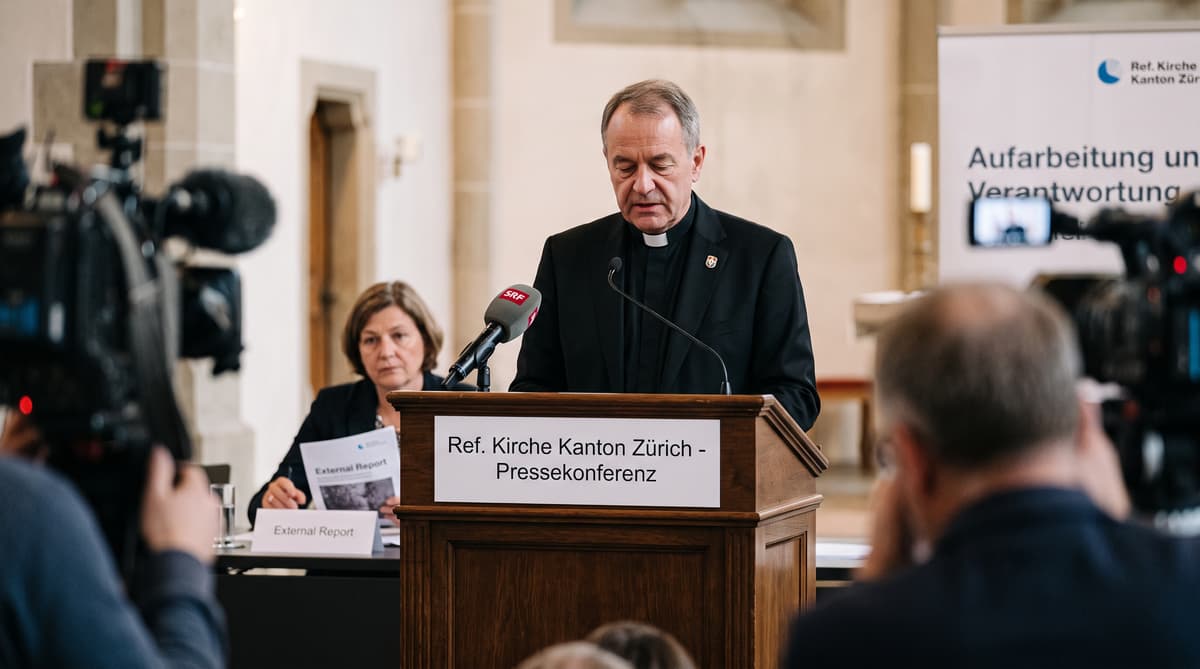
At least 10 women were subjected to sexual, physical or psychological abuse by a vicar in the Zurich Reformed Church between 1992 and 2006, an external investigation has found. The Church Council has apologised, acknowledging that earlier reports were not handled properly and that church leaders failed to meet their responsibilities towards the women.
The report follows further abuse reports that emerged in 2025, prompting the council to commission an external review. It examined the church’s handling of earlier complaints and the treatment of the women who came forward. The council said they were heard and offered support during investigations, but there was no formal conclusion recording the findings or acknowledging the assaults and abuse of power.
The apology addresses both the abuse and the institution’s response. The council said it considers it a duty to learn from the experiences of those affected and to draw conclusions for its own actions.
Trace the case that closed in 2007
The earlier investigation ended in 2007 after the vicar resigned before a formal administrative inquiry opened. Reports about the same minister had already led to an internal investigation around 20 years earlier, the Church Council said.
“At the time, the accused pre-empted the formal opening of an administrative investigation and resigned,” the council stated. The investigation was then closed. The external report concluded that closing the case was legally correct because proceedings could not be brought against someone who was no longer employed by the church.
That legal assessment did not settle the question of how the women were treated. The report found that the church leadership had not adequately fulfilled its responsibilities towards them. The council acknowledged that the proceedings lacked an official conclusion documenting the findings and recognising the confirmed assaults and abuse of power. Its apology speaks to that failure in the handling of the reports, alongside the abuse identified by the review.
Acknowledge what the process failed to record
The report faulted the church’s duty of care, even though the women were heard and offered support during the investigations. The Church Council said the process never produced an official conclusion that documented what investigators had found and acknowledged the confirmed assaults and abuse of power.
That omission shaped the council’s apology. The report’s finding was that the church leadership had not adequately fulfilled its responsibilities towards the women affected. The council said it would learn from their experiences and draw conclusions for its own actions.
The distinction between offering support during an investigation and formally recording its findings is central to the church’s own account of the failure. Without an official conclusion, the assaults and abuse of power were not acknowledged through the proceedings, the council said. Its statement now recognises that gap and commits the institution to more systematic evaluation of future reports.
Strengthen protection and invite reports
A comprehensive protection policy has been in place since 2022, according to the Zurich Regional Church. The church says it is working to prevent breaches of boundaries and assaults, and is urging victims to come forward.
The Church Council also says it will record and evaluate reported cases more systematically. A new information page explains how the regional church handles reports of boundary violations that occurred some time ago. The measures follow the external investigation’s finding that earlier reports about the vicar did not lead to an adequate response for the women affected.
The Zurich case comes as the Protestant Reformed Church of Switzerland commissions a scientific study into sexual and spiritual abuse within the church. For Zurich, the council’s stated next steps focus on prevention, better documentation and learning from those who report harm. The church has directed people seeking guidance to its information page on handling reports of past boundary violations.