Switzerland
Switzerland to introduce biometric identity card in November
A new biometric Swiss identity card is scheduled to enter use in November after the government adopted the required legal framework. The article should explain who will receive it, how it differs from existing identity documents and what privacy and data-security questions accompany the rollout.
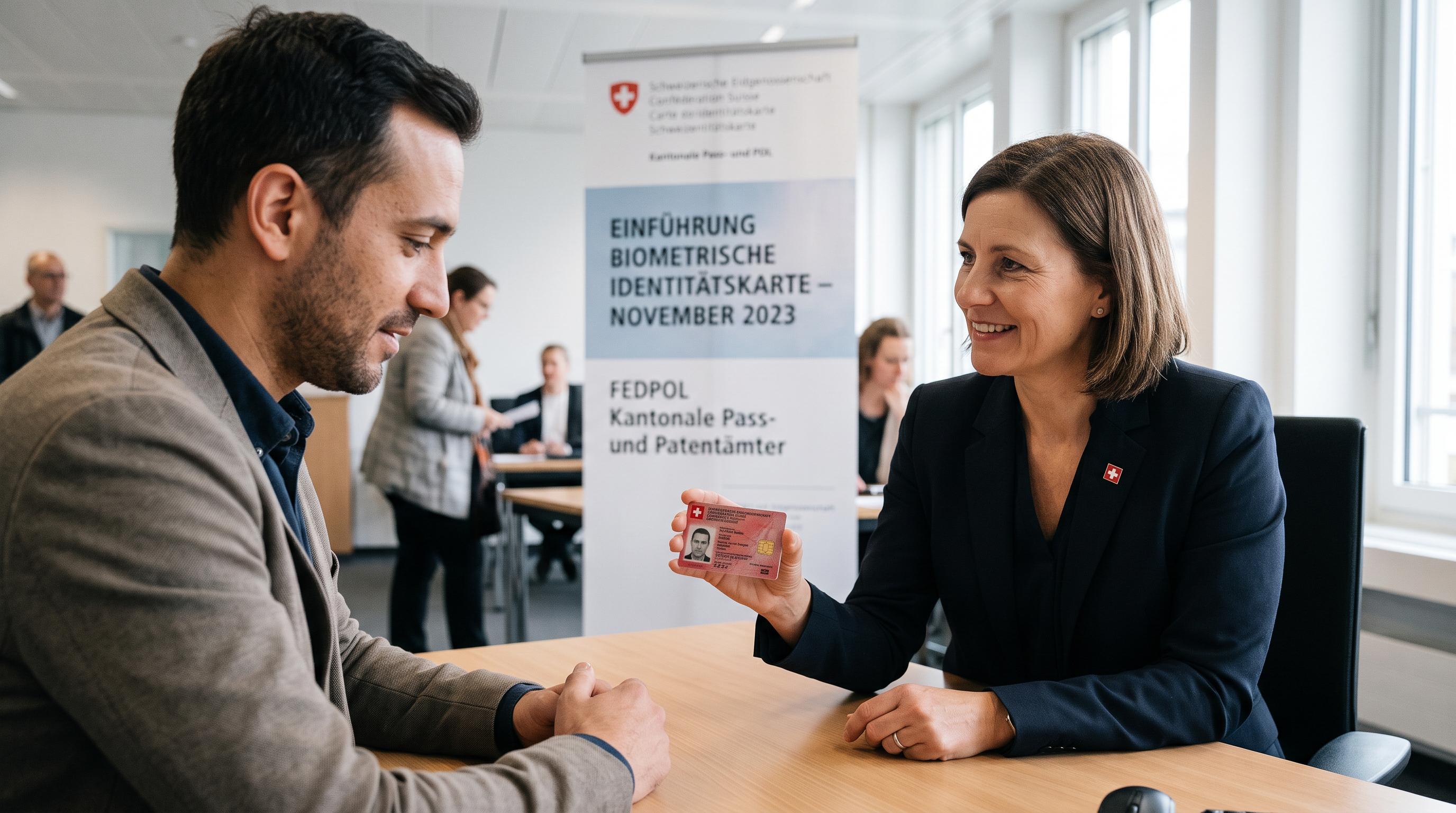
Switzerland Sets November Start for Biometric ID
2 November 2026 marks the start of Switzerland’s biometric identity card rollout. On that date, Swiss citizens who want the new document can begin ordering it through their cantonal passport office. The Federal Police, known as Fedpol, said the government has adopted the legal framework required to put the card into use.
The change brings the Swiss identity card closer to the format already used by the Swiss biometric passport. A chip will contain a facial image and two fingerprints, features Fedpol says will strengthen protection against misuse. The card is designed to serve as both an official identity document and a travel document.
The decision matters most for Swiss citizens who cross borders regularly. Fedpol recommends the biometric version for travel within the European Union, where member states have issued only biometric identity cards for security reasons since 2021. The rollout also preserves a practical choice for people whose needs remain domestic. Anyone who uses an identity card only to prove who they are in Switzerland can continue with the non-biometric version.
Switzerland will therefore introduce a new standard without forcing every cardholder into an immediate replacement process.
Citizens Choose When to Switch
Swiss citizens, including dual nationals, are eligible to apply. The application route runs through the passport office in the applicant’s canton. The government has not announced a compulsory conversion programme, so current cardholders can decide whether the added biometric features fit their circumstances.
That choice will be especially relevant for people with different patterns of movement. A resident who uses the card for identification at home may find the existing non-biometric document sufficient. A Swiss citizen travelling through EU countries may prefer the biometric card, which Fedpol says is recommended for that purpose. The existing non-biometric card remains usable for EU travel until its stated expiry date if it was issued before the new system began.
The arrangement gives cantonal offices a central role in the transition. Applicants will need to follow the procedures set by their local passport office, while the federal legal framework establishes the basis for the document nationwide. The available information does not indicate that citizens must replace a valid card simply because the biometric option becomes available.
For households managing several documents, the practical decision will come down to travel plans, renewal timing and willingness to provide biometric data as part of the application.
The Chip Puts Privacy Under Scrutiny
The new card will carry one facial image and two fingerprints on its chip. Fedpol presents those features as a strengthened barrier against abuse, aligning the identity card with the biometric Swiss passport. The chip changes the information held by the physical document and makes the protection of that information a central part of the rollout.
The government’s announcement establishes what the chip will contain, but it does not set out every operational detail in the material released with the decision. Questions about how authorities and border services access the data, how long related records are retained, and what safeguards protect the card during production and use will matter to citizens assessing the voluntary upgrade.
That scrutiny is particularly relevant because fingerprints and facial images are sensitive identifiers. A lost card, a compromised verification system or poorly controlled access could create risks that differ from those associated with a conventional identity document. The announcement does not report a breach or identify a specific weakness. It signals a policy choice to use biometric information to reinforce document security.
Swiss authorities will need to explain the technical and legal protections clearly as applications open. Citizens should also receive practical guidance on handling the card, reporting loss and understanding when biometric information is read.
Keep the Physical Card Separate From E-ID
The biometric identity card and the future Swiss e-ID serve different purposes. The physical card is an official identity and travel document. The e-ID is intended to let people prove their identity online once introduced, but Fedpol says it cannot be used as a travel document.
The distinction matters as Switzerland expands digital services. A person may eventually use an e-ID for an online interaction while still needing a physical passport or identity card at a border. Holding one document will not automatically provide the functions of the other, and the biometric card does not replace the separate digital identity project.
The e-ID’s introduction has been delayed, according to the linked background report, so the November 2026 biometric card will arrive first as a change to a familiar physical document. Its chip supports identity checks in the real world. The future e-ID is designed for digital transactions and online verification.
For citizens, the immediate decision is therefore straightforward in scope. They can choose whether to order a biometric physical card based on travel and identification needs. Questions about online authentication belong to a separate government programme, with a separate timetable and separate technical framework. The two systems may eventually work alongside each other, but they should not be treated as interchangeable.
A Gradual Rollout Leaves the Choice With Citizens
The November rollout creates a voluntary two-card system rather than an overnight replacement. Swiss citizens will be able to select a biometric or non-biometric identity card according to their needs. Existing non-biometric cards issued before the change remain valid for EU travel until expiry, removing pressure for an immediate application.
That phased approach should make the transition easier for people who rarely travel abroad. It also gives frequent travellers a clear reason to consider the new format, since Fedpol recommends a biometric identity card for movement within EU states. The final choice will be made at the point of application through the relevant cantonal passport office.
The rollout will also test how well the authorities communicate the boundaries of biometric identification. Applicants will need clear information about the chip, the two fingerprints and the facial image, as well as the protections governing their use. Public confidence will depend on more than the card’s appearance or travel convenience. It will depend on understandable rules and reliable administration.
From 2 November 2026, Switzerland will have two physical identity-card options and a separate digital identity project moving on its own timetable. For citizens, the practical next step is to check document validity, consider upcoming travel and contact the cantonal passport office before applying.