banking
UBS Cuts Hundreds of Jobs in Post-Credit Suisse Integration
Swiss banking giant UBS initiates major job cuts in Switzerland, with hundreds receiving notice as part of Credit Suisse integration process.
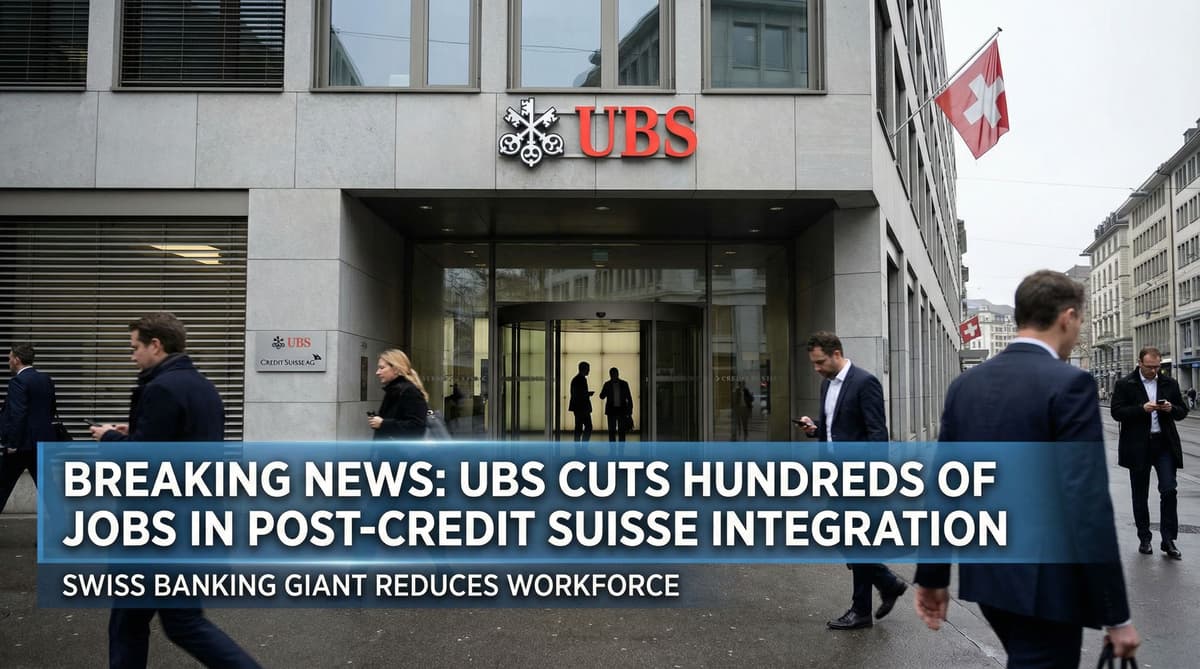
The reality of the 'monster bank' merger is hitting home with brutal precision. UBS has initiated a fresh, aggressive wave of job cuts within Switzerland, sending termination notices to hundreds of staff members in just the last few weeks. This is not a drill; the integration of Credit Suisse has moved from strategic planning to painful execution. The cuts are sweeping and indiscriminate, slicing through both the upper echelons of management and the lower ranks of the workforce.
While the bank publicly maintains a stance of minimizing impact, the internal atmosphere tells a story of significant upheaval. Employees are now grappling with the stark reality of redundancy as UBS tightens its grip on the domestic market. Those affected are being funneled into a transition program, offering them up to a year to secure new roles, but the message is undeniable: the post-merger era has no room for excess. This current purge is a critical step in streamlining the behemoth created by the 2023 emergency rescue, proving that in the high-stakes world of Swiss banking, efficiency trumps sentimentality.
The 13 Billion Dollar Question: Ruthless Cost-Cutting
UBS CEO Sergio Ermotti is not just trimming fat; he is orchestrating a financial overhaul of staggering proportions. The bank has already successfully slashed $7.5 billion in costs since the acquisition, but the hunger for efficiency is far from sated. UBS is now aggressively pursuing an additional $5.5 billion in savings, a target that necessitates drastic measures. This relentless drive for a leaner operation is the engine behind the current personnel reduction.
The math is unforgiving. Following the government-brokered emergency takeover, the combined workforce ballooned to a massive 120,000 employees—a figure that was unsustainable from day one. Since that peak, the headcount has already plummeted by approximately 10,000. Ermotti has been blunt in his assessment, labeling further redundancies as "inevitable." As the bank prepares to release its 2024 results on February 4, the financial world is bracing for updated figures that will likely confirm the scale of this austerity. The mandate is clear: shed the weight of the past to secure the profitability of the future.
Erasing History: The Systematic Dismantling of a Rival
UBS is doing more than just firing staff; it is systematically erasing the identity of Credit Suisse from the Swiss landscape. In a symbolic and literal move, the bank has stripped the iconic Credit Suisse logo from its historic headquarters in Zurich. This visual decapitation serves as a powerful reminder that the 167-year-old institution is gone, absorbed entirely into the UBS machine.
The dismantling extends far beyond signage. Behind the scenes, a massive IT migration is underway. UBS is preparing to permanently switch off Credit Suisse's legacy systems, migrating domestic client data to its own platforms. This technical consolidation is the final nail in the coffin for the former rival's operational independence. By obliterating these physical and digital traces, UBS is ensuring that the "monster bank" speaks with one voice and one brand. The swiftness of this cultural and operational erasure underscores UBS's determination to unify the Swiss banking sector under a single banner, leaving no room for nostalgia.