Society
Study finds signs of smartphone addiction in more than two million Swiss
More than two million people in Switzerland show clear signs of smartphone addiction, according to a new study, while 7% show pronounced signs of anxiety about being without a phone or mobile connection. The study found higher rates among younger people.
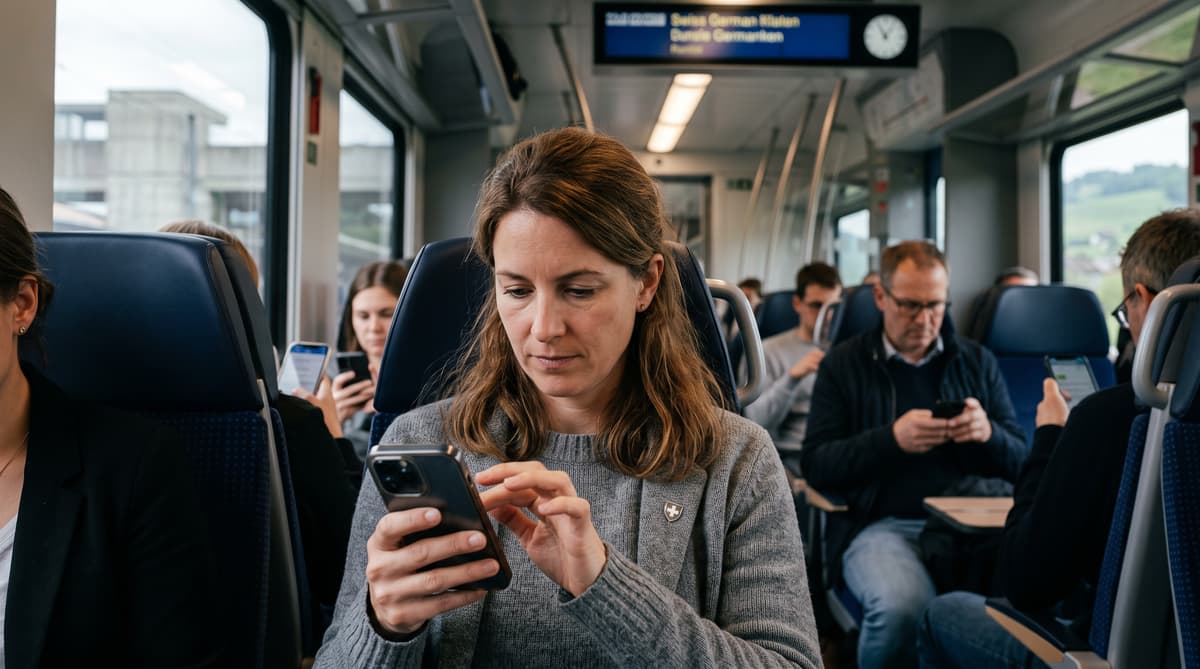
More than two million people in Switzerland show clear signs of smartphone addiction, according to a Comparis study announced on November 3. The figure amounts to almost a third of the population. A further 7% show pronounced signs of nomophobia, the fear or anxiety of being without a smartphone or mobile connection.
Market research institute Innofact conducted the survey for Comparis in September 2026. It questioned 1,027 people aged 16 to 74 across all regions of Switzerland. Comparis said almost all young people and adults in the country own at least one device.
The study points to a pattern that cuts across the country, with the strongest signs among younger respondents. Its findings also distinguish clear signs of smartphone addiction from pronounced nomophobia, a specific anxiety linked to losing access to a phone or mobile connection.
Compare the age groups
Young adults report the highest rates. Among people aged 16 to 35, four in ten show clear signs of smartphone addiction. The study also found that almost half of this age group show clear signs of nomophobia: four in ten have clear signs and a further 8% show pronounced signs.
The rates fall among older respondents. Just under a third of people aged 36 to 55 show clear signs of smartphone addiction. Among those older than 56, the share is just under one in five.
These figures describe different measures in the report. Smartphone addiction refers to the broader signs assessed by the study, while nomophobia concerns anxiety about being without a phone or mobile connection. The distinction matters when comparing the age groups: the report gives a separate figure for pronounced nomophobia among 16 to 35-year-olds, alongside its measure of clear signs.
Map the regional divide
The figures also differ by language region. In French-speaking Switzerland, 37% of respondents show clear signs of nomophobia, compared with 28% in German-speaking Switzerland. The gap is wider on one specific measure: 42% of French-speaking Swiss said they feel anxious at the thought of being without a smartphone for at least 24 hours, against 29% in the German-speaking part of the country.
Digital expert Jean-Claude Frick linked the divide to differences in digital habits. He said people in French-speaking Switzerland use social media and digital services more intensively than those in German-speaking Switzerland, both for information and entertainment.
The comparison adds a regional dimension to the national findings. Across both language regions, the study measures not only general signs of dependence but also reactions to being cut off from a phone. The 24-hour question offers a concrete example of the anxiety captured by the term nomophobia.
Spot the everyday triggers
Constant checking is the most commonly reported sign. Half of those surveyed said they repeatedly check their smartphone to avoid missing messages or calls. Comparis ranked stress when a phone is not being carried second, reported by 35% of respondents. Nervousness when the battery is low followed closely, at 34%.
The results put routine actions alongside more pronounced anxiety. Checking for messages or calls was the leading behaviour named in the survey, while concern about carrying the device and its battery also featured prominently. Each reflects a different everyday situation in which respondents said their phone mattered to them.
The survey covered people aged 16 to 74 in all regions and was carried out by Innofact for Comparis in September 2026. Together, the reported behaviours give a practical picture of how the study’s broader measure of smartphone dependence appears in daily life across Switzerland.