consumer protection
Switzerland mandates painful production disclosure for foie gras sales
New Swiss regulation requires retailers to inform consumers about painful animal procedures in foie gras production, effective July 2025
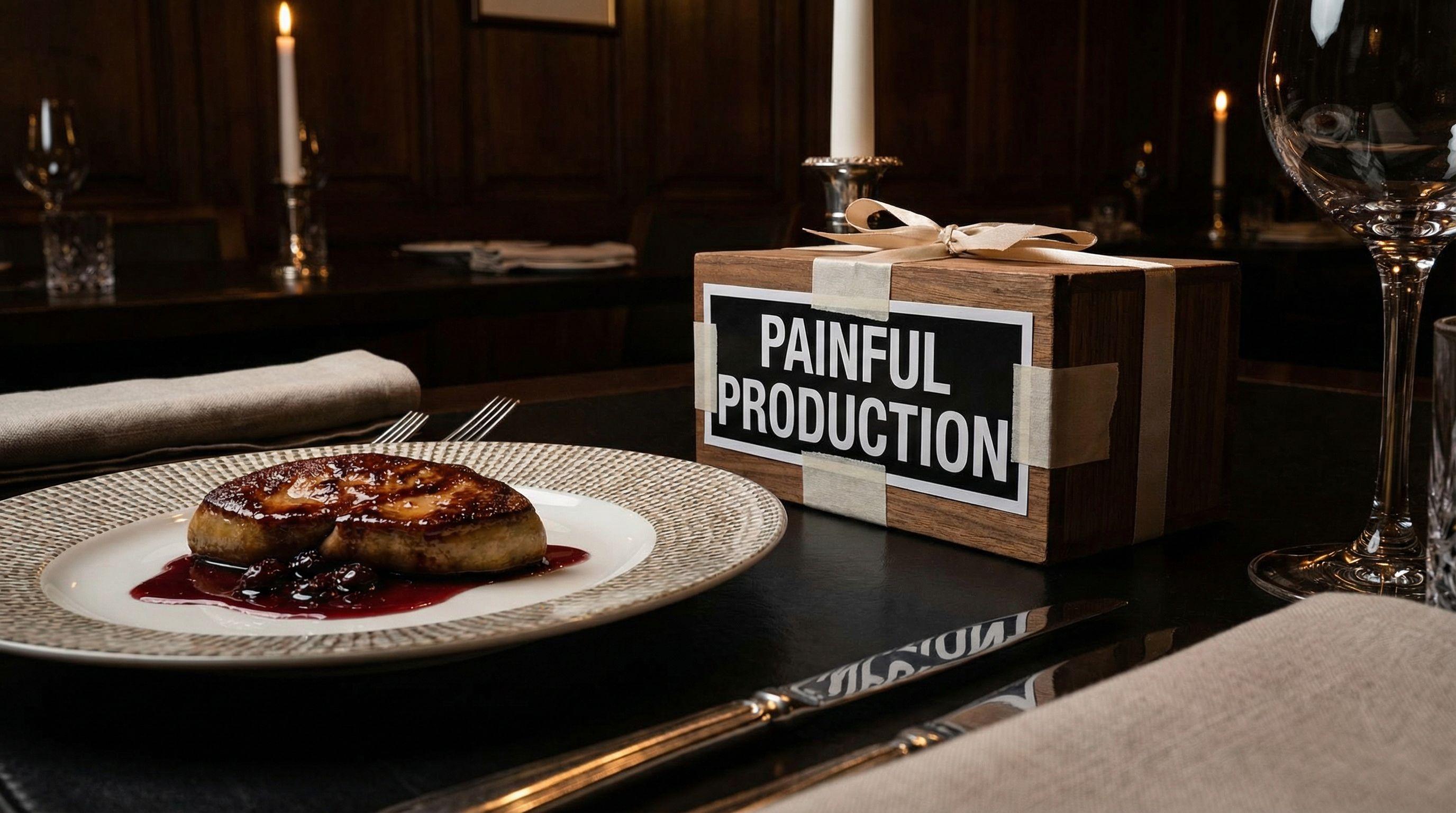
Mandating Transparency on Luxury Plates
Switzerland is stripping the veneer off gourmet dining with a decisive regulatory strike. Starting July 1, 2025, the sale of foie gras will no longer hide behind the guise of tradition; retailers must explicitly declare the painful procedures inflicted upon the animals. The federal government amended the corresponding ordinance this Wednesday, signaling a critical shift in consumer protection and animal welfare transparency. This is not merely a suggestion—it is a mandate that forces the industry to confront the brutal reality of force-feeding.
For decades, foie gras has occupied a controversial space on Swiss tables, but this new regulation ensures that consumers can no longer claim ignorance. By compelling sellers to reference the specific painful methods used in production, the government is placing the moral weight of the purchase directly into the hands of the buyer. This bold move prioritizes truth in labeling over culinary prestige, ensuring that the suffering inherent in this luxury product is visible on the shelf.
Exposing the Pain Behind Everyday Staples
The crackdown extends far beyond the holiday delicacy of foie gras, targeting the hidden cruelty in our daily shopping baskets. The federal government's declaration obligation aggressively targets meat, eggs, and milk derived from animals subjected to invasive procedures without anesthesia. This sweeping regulation shines a harsh light on standard agricultural practices that have long gone unnoticed by the average shopper.
Specifically, the government has identified the dehorning of cows, the castration of pigs and cattle, and the beak trimming of chickens as procedures that trigger this mandatory labeling. Even frogs' legs obtained without anesthesia fall under this rigorous new scrutiny. By grouping these everyday staples with controversial luxury items, Switzerland is acknowledging that animal welfare violations are systemic, not isolated. This regulatory expansion demands that the agricultural sector acknowledge the pain involved in mass production, forcing a confrontation between convenient consumption and ethical responsibility.
Slamming the Door on Cruel Fur Imports
In a simultaneous blow to unethical trade, the federal government is enacting a total ban on the import of furs and fur products produced through cruel methods. This is a definitive rejection of fashion that relies on suffering. While the labeling laws bring transparency to food, this ban draws a hard line in the sand for the textile industry, effectively closing the Swiss border to products that fail to meet humane standards.
This prohibition sends a powerful message to international markets: Switzerland will no longer be a passive destination for cruelty. The ban targets production methods deemed inhumane, reinforcing the country's commitment to high welfare standards. By cutting off the supply chain for cruelly produced furs, the government is not just regulating the market but actively purifying it, ensuring that Swiss luxury does not come at the cost of animal agony.
Enforcing the Two-Year Countdown
Retailers and importers are now on the clock. While the moral imperative is immediate, the government has granted a strict two-year transitional period for businesses to overhaul their supply chains and labeling systems. This timeline applies to both the declaration obligation for food products and the import ban on furs. The clock starts ticking in July 2025, giving the industry a finite window to align with these rigorous new standards.
This transition period is not a loophole but a deadline. The government is fulfilling a direct parliamentary mandate with these amendments, signaling that political will is driving this change. Businesses that fail to adapt within this 24-month window will face the full weight of the new ordinance. As the countdown begins, the Swiss market prepares for a significant transformation, one where transparency is not just a courtesy, but the law of the land.