health
Switzerland expands healthcare coverage: Vaccines and cancer screening to bypass insurance excess
Federal Council announces new healthcare policy making certain vaccines and colorectal cancer screening exempt from insurance excess starting 2026.
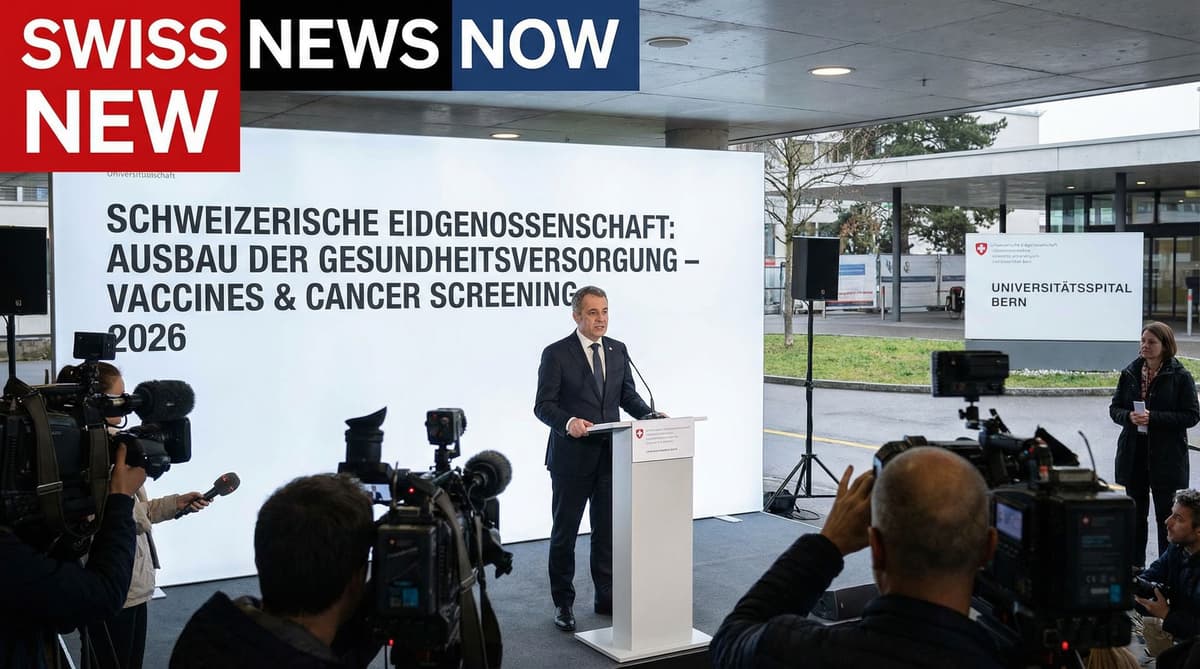
The Federal Council is striking a decisive blow against preventative healthcare costs. In a move set to reshape the medical landscape, the government has announced that starting January 1, 2026, the insurance excess—the dreaded 'franchise'—will no longer apply to key vaccinations. This is a critical pivot in Swiss public health policy, designed to dismantle the financial hurdles that discourage citizens from seeking essential protection. While the standard 10% co-payment remains in effect, the removal of the franchise represents a significant financial relief for households, particularly those with high deductibles. The message from Bern is clear: cost should never be the deciding factor in public immunity. By shifting the financial burden away from the individual's initial excess, the state is betting on a surge in preventative care uptake that could save millions in long-term treatment costs.
The Vaccination Offensive
The Federal Office of Public Health is widening its defensive perimeter against infectious diseases. The new exemption list is comprehensive, targeting high-impact threats including diphtheria, tetanus, Covid-19, mpox, pneumococcus, and meningococcus. This is not merely a policy tweak; it is a calculated strategy to boost vaccination rates that have stagnated in certain demographics. In a vital development for maternal health, the policy specifically targets the protection of the next generation. Vaccination against the respiratory syncytial virus (RSV) will now be fully reimbursed for pregnant women. This proactive measure ensures that newborns are shielded from birth, confronting a virus that frequently overwhelms pediatric wards during winter months. The government is effectively arming the population against future outbreaks by removing the price tag from the shield.
Confronting the Cancer Curve
A staggering 50% of colorectal cancer cases are diagnosed after the age of 70, a statistic that has forced a rapid recalibration of screening protocols. Acknowledging this critical data point, authorities are expanding the battlefield. Effective July 1, 2025—six months ahead of the vaccine changes—the age limit for state-covered colorectal cancer screening will soar from 69 to 75. This extension closes a dangerous gap in the healthcare net, ensuring that seniors in the highest-risk category are not priced out of life-saving early detection. While the type and frequency of these tests will continue to vary by canton, the federal mandate unifies the age range, ensuring that geography does not dictate longevity. This is a direct response to demographic aging; as Switzerland lives longer, the medical safety net must stretch further.
Slashing Bureaucracy for the Chronically Ill
For Switzerland's chronically ill, the annual administrative nightmare is finally ending. In a move that prioritizes dignity over paperwork, the government is scrapping the requirement for patients to justify their need for medical aids and devices every single year. This bureaucratic overhaul recognizes the reality of chronic conditions—they do not simply vanish when the calendar turns. By eliminating this redundant validation process, the system acknowledges the permanence of these conditions and respects the patient's time and energy. This reduction in red tape is more than an efficiency measure; it is a compassionate correction to a system that has long placed undue administrative burdens on those least able to shoulder them. The focus returns to care, not compliance.