Politics
Switzerland expands sanctions linked to Venezuela’s Maduro regime
Swiss authorities have added six people linked to Venezuela’s former leader Nicolas Maduro to the country’s sanctions list. Their assets held in Swiss banks could be frozen or seized under the measures.
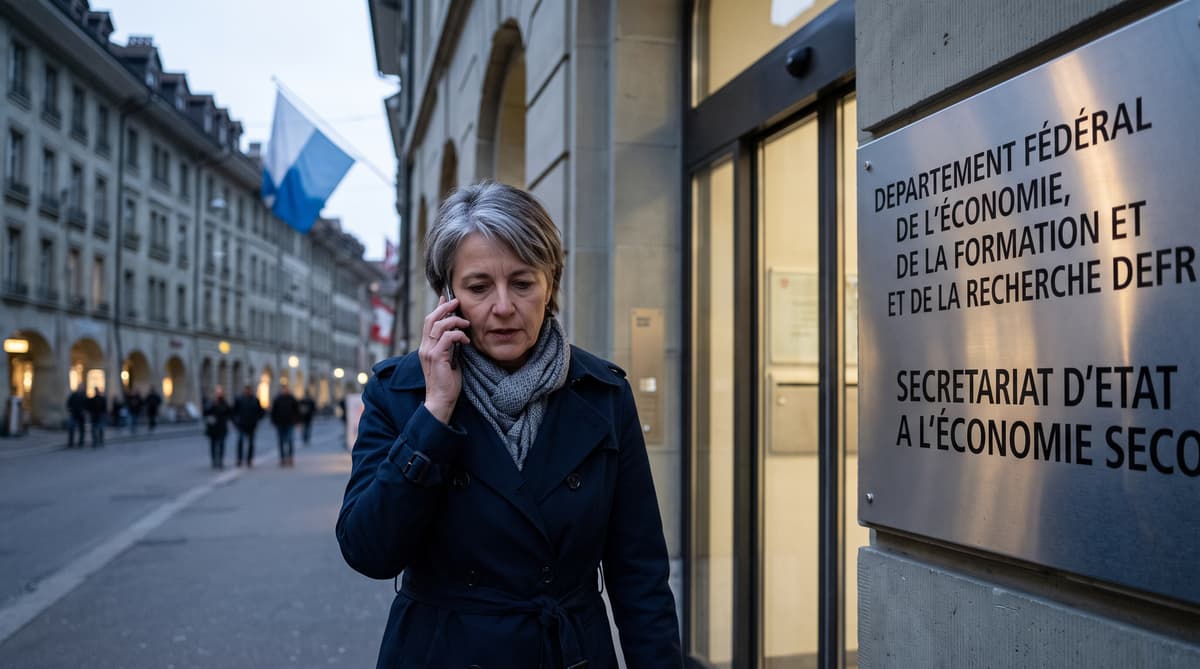
Six names now face Swiss financial restrictions, widening the reach of Switzerland’s sanctions regime targeting associates of Venezuela’s former leader Nicolas Maduro. The federal government released the revised list late Friday, adding businessman and former industry minister Alex Saab, his associate Alvaro Pulido Vargas, and four other people whose names were not identified in the source report.
The update comes after Maduro was captured by US forces in January, according to the report. It also follows the deportation of Saab and Pulido Vargas to the United States by Venezuela’s acting president, Delcy Rodriguez. Their inclusion places the pair within a Swiss framework that can affect assets held by banks and other financial institutions in the country.
Switzerland’s move matters because its sanctions system can restrict access to funds without automatically transferring those assets to another government. Banks must apply the measures to listed individuals, while any later attempt by a foreign country to target or recover assets requires a separate legal process. The decision therefore creates immediate compliance obligations for Swiss financial institutions and a possible route for international cooperation over disputed funds.
Track the Names on the List
The revised schedule lists 41 people, including Maduro, after Switzerland added six names and removed two. The changes show that the sanctions list remains subject to review as political roles, legal circumstances and international investigations develop.
Among the additions, Alex Saab has held both commercial and government roles in Venezuela. The report identifies him as a businessman and former industry minister. Alvaro Pulido Vargas is described as Saab’s associate. Both were recently deported to the United States by acting president Delcy Rodriguez, placing their cases within a wider US legal and political context.
Switzerland did not retain every person connected to the previous schedule. Marleny Contreras, the wife of Interior Minister Diosdado Cabello, was removed. So was Jorge Arreaza, a lawmaker who heads a parliamentary commission overseeing an amnesty law. That legislation could lead to the release of all political prisoners, according to the source report.
The update offers no public explanation in the supplied material for the additions or removals. It does establish a clear numerical change: the schedule expanded by a net total of four names, from the previous list to 41.
Apply the Freeze, Follow the Evidence
Swiss asset freezes last four years under the order described in the report. The measure can prevent listed individuals from accessing or moving assets held in Switzerland, including funds located in Swiss bank accounts. The possibility of a freeze or seizure gives the update direct significance for the country’s financial sector.
The legal mechanics draw an important line between a Swiss freeze and the seizure of assets for another country. Foreign governments seeking to target funds in Swiss banks must make an official request. They must also provide proof that legal proceedings have started concerning the origin of the funds involved.
That requirement places the burden on requesting authorities to connect suspected assets to an active legal case. Swiss institutions, meanwhile, must identify whether listed clients or transactions fall within the sanctions framework and report or restrict them as required. The source material does not specify the value, location or ownership of any assets linked to the six newly listed people.
For banks operating in Switzerland, the decision adds another compliance review involving politically exposed Venezuelan figures. The four-year period also gives the order a defined lifespan, although the source does not state whether the measures could later be extended or replaced.
Watch the Next Legal Moves
The list now combines 41 Venezuelan-linked names with a four-year freeze mechanism, giving Swiss authorities a continuing role in the international response to the Maduro-era network. The immediate effect falls on banks and other financial actors in Switzerland, which must account for the six additions and the two removals.
For Swiss residents and institutions, the practical issue is compliance. A listed person may face restrictions on assets held in the country, while a foreign government seeking further action must use formal channels and document an underlying legal case. The framework protects the distinction between administrative sanctions and judicial proceedings over the origin of money.
The political context remains fluid. Maduro is described in the source as having been captured by US forces in January. Saab and Pulido Vargas were recently deported to the United States, and Venezuela is being led by acting president Delcy Rodriguez. Switzerland’s revised schedule records those shifts without resolving the broader legal disputes surrounding the individuals named.
The next developments will likely depend on requests from foreign authorities, decisions by Swiss financial institutions and any further changes to the government’s sanctions schedule. The supplied report does not identify the four additional people added alongside Saab and Pulido Vargas or provide details of assets affected.