economy
Swiss Salary Outlook 2026: Which Sectors Will See Wage Increases
Despite international trade challenges, many Swiss companies plan to increase wages in 2026, with certain sectors leading the positive wage growth trend.
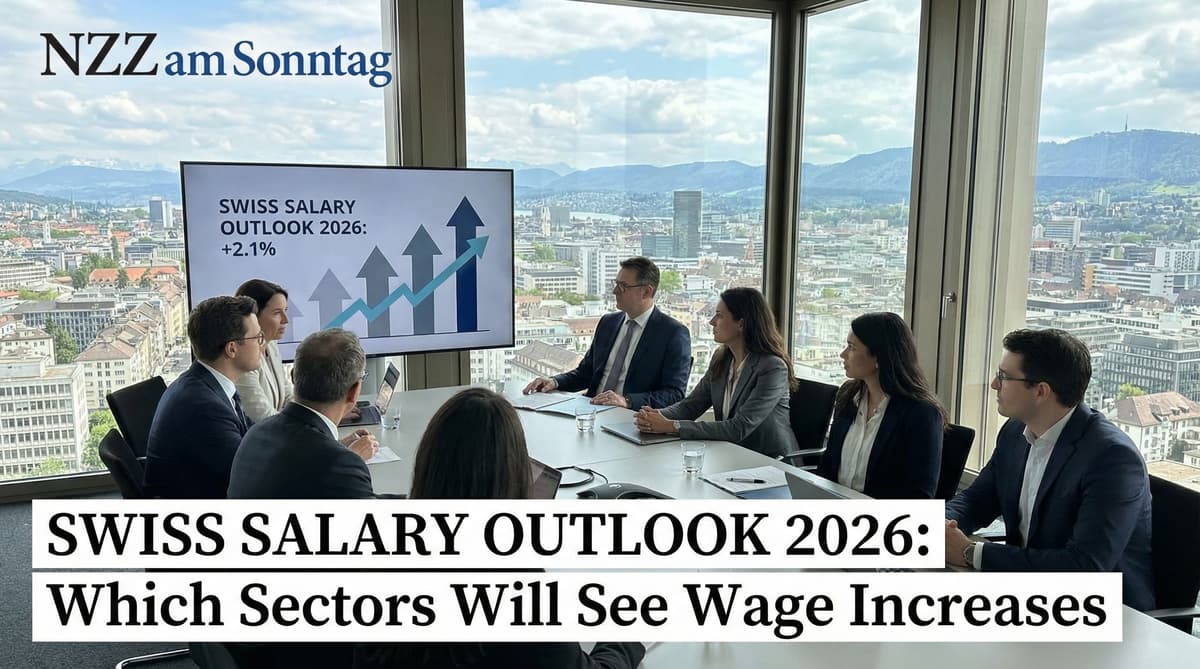
In a move that boldly contradicts the gloomy narrative of global trade, Swiss companies are gearing up to deliver significant financial relief to their workforce. Despite the looming shadow of international trade conflicts, the verdict is in: wage increases are on the horizon for 2026. This isn't just a minor adjustment; it is a testament to the ironclad resilience of the Swiss domestic economy. While other nations grapple with austerity measures in the face of geopolitical tension, Switzerland stands apart, prioritizing the purchasing power of its people.
The announcement comes at a critical juncture. With global markets trembling under the weight of protectionist policies, the expectation that many Swiss employees will see their paychecks swell next year is nothing short of defiant. It signals that Swiss businesses are not merely surviving the current economic storm—they are navigating through it with enough confidence to reinvest in their most valuable asset: their human capital. This proactive stance suggests that the internal machinery of Swiss commerce remains robust, unyielding to the external pressures attempting to slow it down.
The 39-Percent Wall
Let’s be clear about the magnitude of the challenge: the United States has slapped a staggering 39-percent tariff on Swiss imports. This is not a hurdle; it is a fortress wall erected against Swiss exporters. In normal circumstances, a levy of this severity would trigger immediate cost-cutting measures, layoffs, and a freeze on spending. The US market is a juggernaut, and being priced out by nearly 40 percent should theoretically cripple profit margins across the board.
However, the current landscape presents a paradox. While this punitive tariff aims to stifle the flow of Swiss goods across the Atlantic, it has failed to crush the spirit of Swiss enterprise. The trade conflicts are real, and the numbers are alarming, yet they have not succeeded in derailing the domestic agenda. The fact that wage discussions are proceeding with optimism in the face of such a draconian trade barrier highlights the extraordinary decoupling of Swiss internal stability from external trade aggression. Companies are staring down this 39-percent hit and choosing to move forward regardless.
Corporate Resilience Unlocked
The driving force behind this wage growth is a widespread corporate confidence that refuses to be shaken. Many companies in Switzerland have analyzed the landscape and determined that employee retention and satisfaction outweigh the costs of the trade war. This is a strategic calculation. By committing to pay raises in 2026, these businesses are signaling that their balance sheets are healthy enough to absorb the shock of the US tariffs while still rewarding their workforce.
This trend is not isolated to a few outliers; it appears to be a broader sentiment sweeping across the distinct sectors of the Swiss economy. While the specific breakdown of industries remains a developing story, the aggregate data points to a collective decision to push ahead. It is a bold rejection of economic fear. Instead of hoarding cash to weather the trade conflict, Swiss firms are circulating wealth back to employees, likely banking on the idea that a well-compensated workforce is the best defense against uncertain times.