environment
Swiss Forests in Critical State Due to Climate Change
Forest Report 2025 reveals severe impact of extreme weather events on Swiss forests over past decade, with some regions reaching critical condition requiring immediate adaptation measures.
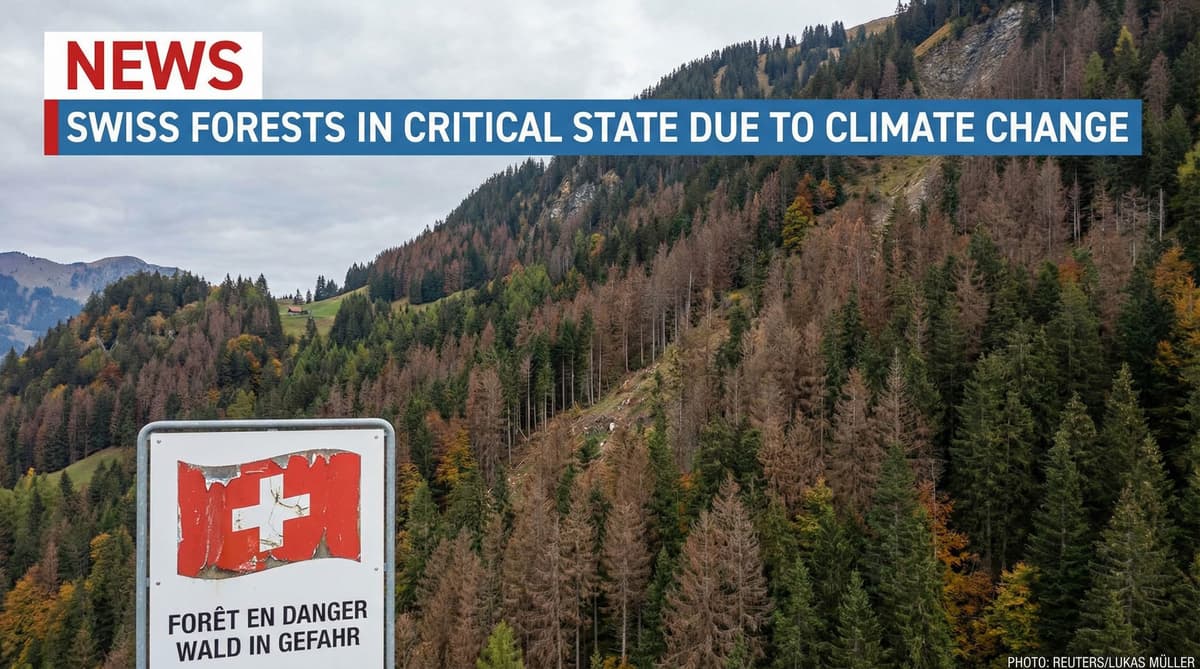
Switzerland's forests are facing unprecedented challenges as revealed in the latest Forest Report 2025, jointly published by the Federal Office for the Environment (FOEN) and the Swiss Federal Institute for Forest, Snow and Landscape Research (WSL). The comprehensive assessment shows that Swiss forests have endured significant stress over the past decade, with multiple factors contributing to their deteriorating condition.
Climate Change Impact
The report highlights the increasing frequency of extreme weather events as a primary driver of forest degradation. Heat waves, prolonged drought periods, and intense storms have become more common, placing unprecedented stress on forest ecosystems. These climate-induced challenges have weakened trees' natural defenses, making them more susceptible to pest infestations and diseases.
Regional Variations
The impact of climate change on Swiss forests shows significant regional variations, with the Jura region facing particularly critical conditions. This regional disparity highlights the need for locally adapted management strategies and intervention measures. The varying degrees of forest health across different regions reflect the complex interaction between local environmental conditions and climate change effects.
Biodiversity Changes
Despite the overall challenging conditions, there are some positive developments in forest biodiversity. The report notes an encouraging increase in the populations of forest birds, molluscs, and mosses. This improvement in biodiversity indicators suggests that some species are adapting to the changing conditions, though continued monitoring remains essential.
Adaptation Measures
The Forest Report 2025 emphasizes the urgent need for adaptation measures to ensure the long-term survival and functionality of Swiss forests. These measures must focus on enhancing forest resilience to climate change while maintaining their vital roles in biodiversity conservation, protection against natural hazards, and sustainable wood production. The implementation of these measures requires coordination between federal, cantonal, and local authorities.