healthcare
Swiss Family Doctor Shortage Reaches Critical Levels
New workforce study reveals worsening shortage of general practitioners in Switzerland, with three-quarters of regions reporting deficits and concerns for 2035.
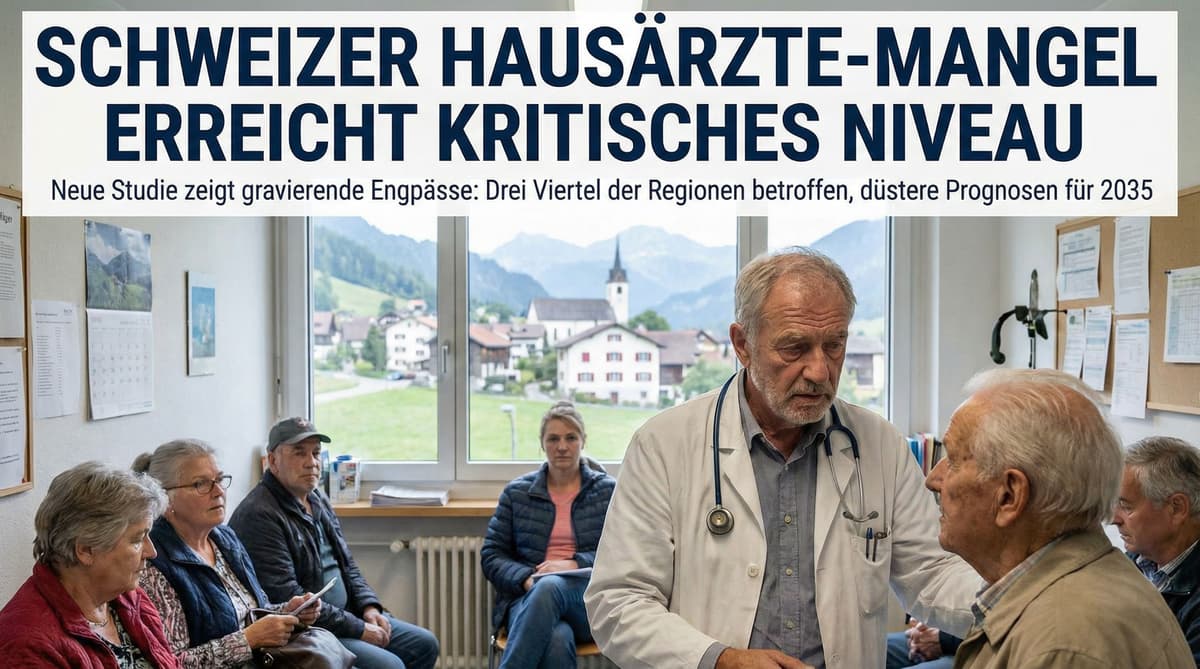
Switzerland is bleeding primary care providers, and the wound is refusing to clot. A staggering three-quarters of practicing doctors now report a critical shortfall in their specific regions, signaling a nationwide emergency that goes far beyond rural isolation. The latest workforce study from the University of Basel, released this October, paints a harrowing picture of a system stretched to its absolute limit. This is not a future projection; the crisis is here, and it is accelerating.
The data is unequivocal. We are staring down the barrel of a massive workforce exodus. By 2030, nearly a quarter—22%—of today's family doctors will need replacing. Fast forward just five years to 2035, and that figure skyrockets to 40%. This represents hundreds of medical professionals vanishing from the grid, leaving thousands of patients without a first point of contact. The Swiss association of family doctors and paediatricians (MFE) has abandoned diplomatic language, bluntly declaring the situation "serious." Without immediate, drastic intervention, the Swiss healthcare model faces a systemic failure.
The Demographic Time Bomb Explodes
The Swiss medical corps is aging rapidly, and there are no reinforcements in sight. The average general practitioner in Switzerland is now 52 years old, a statistic that exposes the fragility of the current system. Even more alarming is the reliance on retirees to keep the lights on: a full 13% of doctors are currently practicing beyond the standard retirement age. We are effectively leaning on a workforce that should be resting to prop up the nation's health.
This "grey wave" creates a precarious reality. As these senior physicians inevitably hang up their white coats, the vacuum they leave will be instantaneous and difficult to fill. The University of Basel's survey of 1,776 practices confirms that recruitment is lagging woefully behind attrition. We are not just losing doctors; we are losing decades of institutional memory and patient relationships. The failure to recruit younger talent systematically over the last decade has transformed a predictable demographic shift into an acute operational disaster.
Vanishing Hours and Soaring Bureaucracy
The era of the iron-willed GP working 50-hour weeks is dead. Today's reality is a sharp decline in clinical availability, with the average work week plummeting to 42 hours—a drop of nearly 20% compared to two decades ago. While work-life balance is essential, this reduction in hours effectively slashes the total medical capacity of the country without reducing the patient headcount. A single replacement doctor today simply does not equal the output of a retiring predecessor.
Compounding this capacity crunch is an avalanche of red tape. Doctors are drowning in administrative tasks that steal precious minutes from patient care. The MFE report highlights that growing paperwork is making the profession increasingly unappealing to the next generation. Every hour a highly trained physician spends filling out forms is an hour denied to a sick child or an elderly patient. The profession is being strangled by its own bureaucracy, forcing doctors to choose between burnout and reducing their clinical hours even further.