Ukraine
Ukraine says Swiss-made components are still appearing in Russian weapons
Ukrainian authorities say components made by Swiss companies continue to turn up in Russian drones and missiles. A Ukrainian presidential adviser is urging Switzerland to do more to stop the flow.
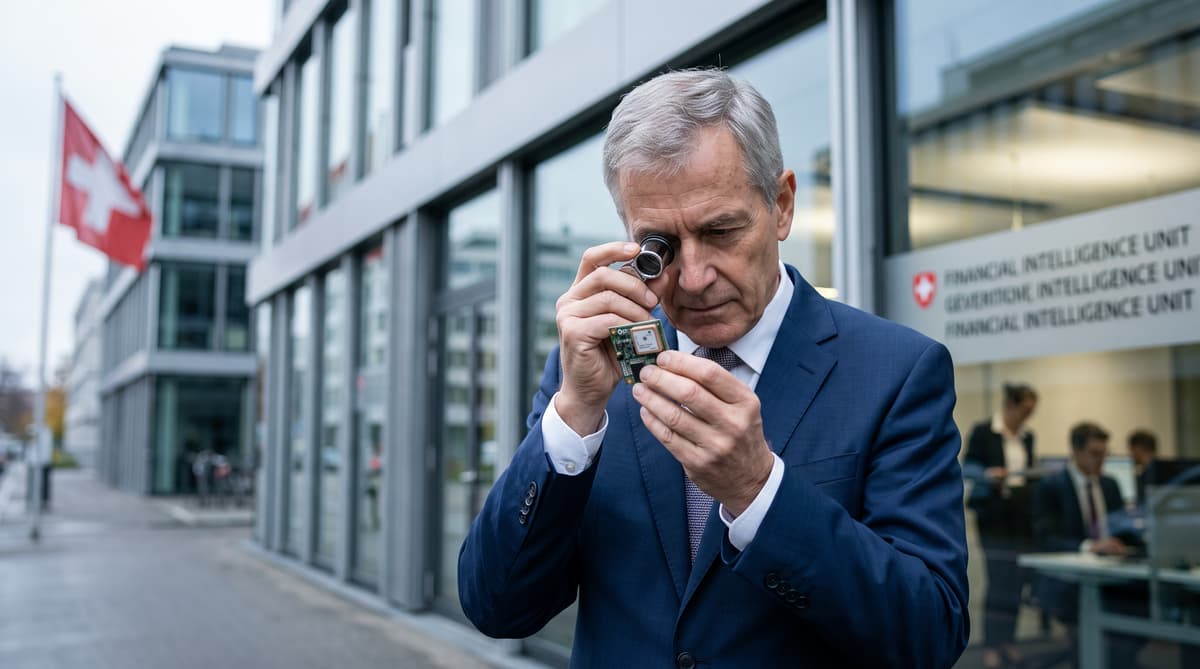
Ukrainian authorities say Swiss-made parts are still turning up in Russian weapons, months after Kyiv urged Switzerland to tighten its response. Vladyslav Vlasiuk, an adviser to Ukraine’s president on international sanctions, told SRF that investigators continued to find the components in September and October 2026.
Ukraine faces Russian missile and drone attacks every night. Vlasiuk described the danger to civilians as a lottery, with anyone potentially in the path of a strike. He argues that access to foreign electronics leaves Russia’s weapons industry more exposed to sanctions and export controls than Moscow suggests.
According to Vlasiuk, foreign components, chiefly microelectronics, appear in 90% of Russian weapons. Experts who have examined weapons debris since 2022 estimate that 95% of Russian drones and missiles contain parts from Swiss companies. Those figures frame the dispute now facing Bern: whether Switzerland’s efforts to monitor the flow of its companies’ products are doing enough to keep them out of Russian arsenals.
Trace the Swiss-Made Parts
STMicroelectronics and u-blox are the Swiss-linked manufacturers at the centre of Ukraine’s concerns. STMicroelectronics is a major semiconductor maker headquartered in Geneva, with French and Italian roots and a parent company incorporated in the Netherlands. Its chips are used in cars, industrial equipment and consumer electronics.
u-blox, which grew out of ETH Zurich in 1997, makes chips and modules for satellite positioning, including GPS receivers, and wireless communication. Components designed for civilian products can also have military uses, making supply-chain controls central to Kyiv’s appeal.
The companies say they comply with sanctions and have done no business with Russia since 2022. Vlasiuk’s concern is that parts made or sold outside Switzerland can still reach Russia through intermediaries. Investigations have identified distribution networks in China sending electronic components to Russia. The route complicates enforcement, but Vlasiuk argues that it does not remove the responsibility to act when Swiss companies’ products are identified in weapons debris.
Press Bern to Tighten Controls
Kyiv wants Swiss law-enforcement agencies and export-control officials more closely involved in stopping the flow. Ukraine has held extensive talks with the Swiss government, but Vlasiuk says the response has not met the moment. He argues that an explanation based on components being produced and supplied outside Switzerland might have been acceptable in 2023, but no longer reflects how sanctions and Russian evasion methods have changed by 2026.
The Federal Council says it is doing all it can to ensure companies monitor their supply chains. It also notes that the components are produced and supplied outside Switzerland. Vlasiuk acknowledges Swiss support for Ukraine, while insisting that the location of factories and direct exports cannot end the inquiry when Swiss-company parts keep appearing in Russian weapons.
The dispute puts pressure on Swiss companies and authorities to show how supply-chain monitoring can respond to changing distribution routes. For Kyiv, sustained controls are a practical way to restrict Russia’s access to technology used in its weapons.
Measure Progress Against Evasion
Ukraine points to NXP as evidence that sustained pressure can reduce the presence of a manufacturer’s parts in Russian weapons. The Dutch chipmaker once faced even greater criticism, Vlasiuk said. By 2026, Ukrainian investigators were finding almost no trace of NXP components in the weapons they examined. He says he has yet to see comparable progress from Swiss companies.
China remains a concern for Kyiv because distribution networks there send electronic components to Russia. Vlasiuk welcomed reported regulatory changes announced by China’s export-control authority, while questioning how effective they will be. American chips also remain widespread in Russian weapons. Ukraine continues to work with the US government to restrict Russian access, though American microchips still account for an extremely high share of those found in Russian ballistic missiles.
For Switzerland, the argument now centres on whether company monitoring and export controls can keep pace with evolving routes to Russia. Ukrainian authorities say their latest findings show that Swiss components remain part of that challenge.