Social Issues
Swiss Clinics Report Record Number of Child Abuse Cases in 2025
A total of 2,380 children and adolescents were treated for suspected or confirmed abuse in Swiss paediatric clinics last year, the highest figure since data collection began in 2009. The data reveals a particularly sharp rise in cases of psychological abuse and exposure to domestic violence.
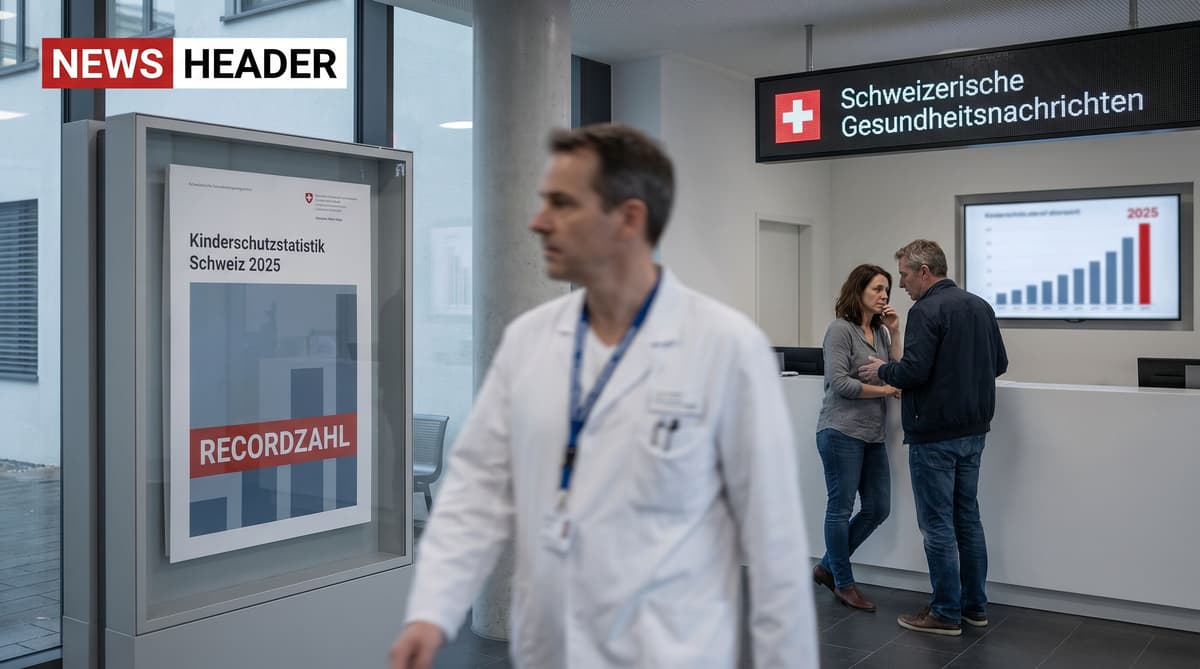
A staggering 2,380 children and adolescents were treated for suspected or confirmed abuse in Swiss paediatric clinics last year, marking the highest figure ever recorded since national data collection began in 2009. This 14.2% jump represents a critical failure in the nation's social safety net, as 296 additional cases flooded into the country's 19 specialized clinics compared to the previous year. While Switzerland often prides itself on its high quality of life, these numbers reveal a darker reality lurking behind closed doors. Physical violence remains the most frequent form of trauma, accounting for 756 cases, even as other categories of maltreatment expand at an alarming rate. The sheer volume of these cases is placing an immense strain on the Swiss healthcare system, forcing medical professionals to confront a rising tide of violence that shows no signs of receding. This is not just a statistical anomaly; it is a national emergency that demands immediate attention from policymakers and citizens alike.
Psychological Trauma Soars as Domestic Violence Intensifies
Psychological abuse has exploded by an incredible 33.2%, signaling a shift in the landscape of childhood trauma in Switzerland. After a brief decline in previous years, 582 cases were documented in 2025, highlighting a growing crisis of emotional and mental maltreatment. Most disturbing is the sub-category of 'exposure to domestic violence,' which nearly doubled from 198 to 371 cases in a single year. These children are not just witnesses; they are victims of a toxic environment that leaves invisible but permanent scars. Unlike physical injuries, psychological abuse was deemed 'certain' in two-thirds of the cases, as clinicians find these patterns increasingly unequivocal during diagnostic assessments. Meanwhile, cases of neglect (699) and sexual abuse (325) also trended upward, painting a comprehensive picture of a youth population under siege. The complexity of diagnosing sexual abuse remains a hurdle for medical teams, yet the data confirms that no form of maltreatment is in decline. This surge in mental trauma suggests that the stressors on Swiss households are reaching a breaking point.
Vulnerable Infancy: The Crisis Facing Switzerland’s Youngest
More than 40% of all abuse victims in 2025 were children under the age of six, a haunting statistic that underscores the extreme vulnerability of Switzerland's youngest residents. This age breakdown has remained tragically stable for years, confirming that infants and toddlers are at the highest risk of severe maltreatment. The stakes could not be higher: in 2025, a one-year-old child lost their life due to physical abuse. While this is a decrease from the four fatalities recorded in 2023, a single death remains an unacceptable failure of the state's protective mandate. These children, often unable to speak for themselves or seek help, rely entirely on the vigilance of the medical community and the Child and Adult Protection Authority (KESB). The Swiss Paediatric Society emphasizes that early childhood is the most critical window for intervention. When 4 out of 10 victims are of preschool age, the focus must shift toward aggressive early prevention strategies and home-visit programs that can identify red flags before they escalate into clinical emergencies or tragedies.