law
OECD Calls for Enhanced Whistleblower Protection in Switzerland
Switzerland faces pressure to strengthen anti-corruption measures and improve whistleblower protection after 20-year delay in implementing OECD recommendations.
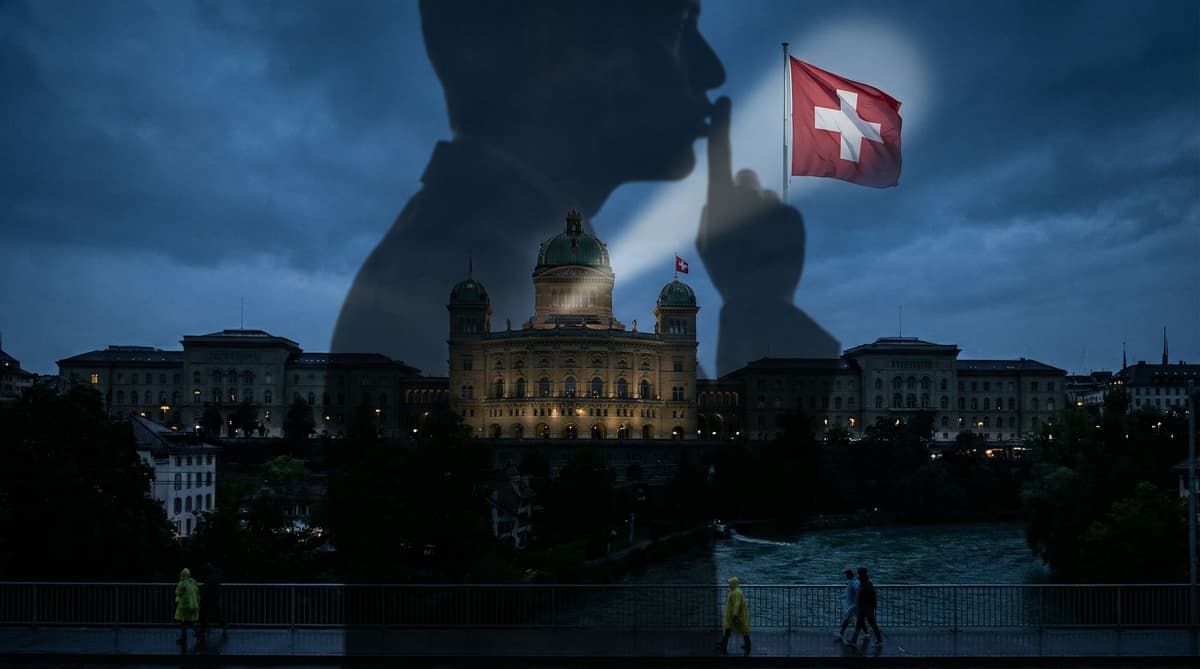
For a staggering 20 years, Switzerland has dragged its feet on critical anti-corruption reforms, and the international community has finally had enough. The Organisation for Economic Co-operation and Development (OECD) delivered a blistering critique in Bern this Tuesday, demanding that the Swiss government stop ignoring recommendations that date back to the early 2000s. Kathleen Roussel, chair of the OECD Working Group on Bribery, did not mince words, stating explicitly that her presence was necessitated by Switzerland's failure to implement these "crucial" measures.
This is not merely a bureaucratic oversight; it is a systemic failure to align with global standards. While the Swiss Federal Prosecution Service (MPC) has been lauded for its active role in prosecuting foreign bribery, the legislative framework supporting them remains dangerously outdated. The OECD's ultimatum is clear: the era of delay is over. Switzerland must now confront the reality that its reputation as a global business hub is being undermined by a refusal to close these long-standing legal loopholes.
Fines That Fail to Deter
A paltry CHF 5 million—that is the current maximum fine for Swiss companies caught bribing foreign officials. In the world of multi-billion franc multinational corporations, this figure is nothing more than a rounding error. Kathleen Roussel slammed this cap as "not a deterrent at all," exposing a critical weakness in Switzerland's penal code. When companies can budget for corruption fines as a minor cost of doing business, the law loses its teeth.
The contrast with other nations is stark and embarrassing. Roussel pointed to Canada, which imposes no maximum limit on such fines, allowing penalties to scale with the severity of the crime. Switzerland's refusal to raise this ceiling suggests a reluctance to hold its powerful corporate sector fully accountable. With recent data suggesting that over 60% of Swiss companies facing bribe demands abroad actually pay them, the current financial penalties are clearly failing to curb illicit behavior. The message from the OECD is undeniable: fines must hurt if they are to work.
The European Anomaly
Switzerland has become a dangerous outlier, branded an "anomaly at European level" by the OECD for its refusal to protect private sector whistleblowers. While neighboring nations have fortified their legal frameworks to shield those who expose corruption, Swiss law leaves them exposed to retaliation. Relying on a patchwork of company-level regulations is "not enough," Roussel argued, insisting that a legislative framework guaranteeing common basic protection is non-negotiable.
This legislative gap creates a culture of silence. Employees who witness corruption are forced to choose between their integrity and their livelihood, knowing the state offers them no safety net. The Swiss parliament has repeatedly dashed hopes for reform, rejecting extra protections as recently as 2024. This stubborn resistance isolates Switzerland within Europe, painting the nation as a safe harbor for corporate secrecy rather than a champion of transparency. The OECD's demand is a direct challenge to this isolationist stance: protect the truth-tellers, or face continued international scrutiny.