health
Lausanne Hospital Pioneers Bacterial Treatment Innovation
CHUV becomes Switzerland's first hospital approved to produce medication from faecal bacteria for treating severe intestinal infections.
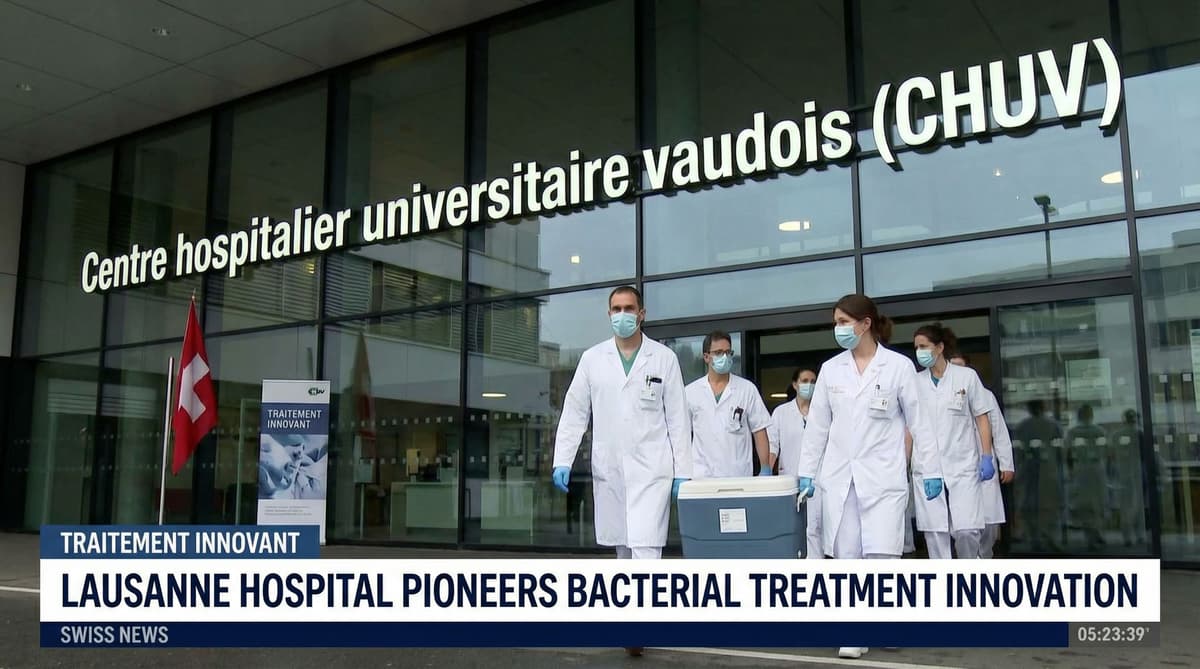
In a groundbreaking development for Swiss healthcare, the University Hospital of Canton Vaud (CHUV) in Lausanne has achieved a significant milestone by becoming Switzerland's first hospital authorized to produce medication derived from faecal bacteria. This innovative treatment approach, approved by Swissmedic, marks a new era in treating severe intestinal infections, positioning Switzerland at the forefront of medical innovation in Europe.
Treatment Process and Effectiveness
The revolutionary treatment involves faecal microbiota transplantation (FMT), where healthy bacteria from donor intestinal contents are transferred to patients suffering from Clostridium difficile infections. The effectiveness of this treatment is remarkable, with cure rates reaching up to 95%, compared to just 30% with traditional antibiotic treatments. This significant improvement in treatment outcomes represents a major advancement in combating severe intestinal infections, which have historically shown high relapse rates of around 25%.
Quality Control and Donor Selection
CHUV maintains exceptionally high standards in its donor selection process, with a rigorous screening system that accepts only approximately 10% of potential donors. This strict selection criteria ensures the highest quality and safety standards for the treatment. The hospital's laboratory staff carefully collect and process stool samples, isolating healthy bacteria under controlled conditions to produce the therapeutic medication.
Future Implications and Insurance Coverage
While this innovative treatment represents a significant medical advancement, it currently faces practical challenges regarding accessibility. The treatment costs are not yet covered by Swiss health insurance, though CHUV has submitted an application to the Federal Office of Public Health for coverage consideration. This pioneering work at CHUV could pave the way for similar treatments across Switzerland and potentially influence healthcare practices internationally.