environment
Illegal Wolf Shooting in Graubünden Sparks Criminal Investigation
Discovery of illegally killed wolf in Poschiavo valley triggers criminal proceedings, highlighting ongoing tensions in Swiss wildlife management.
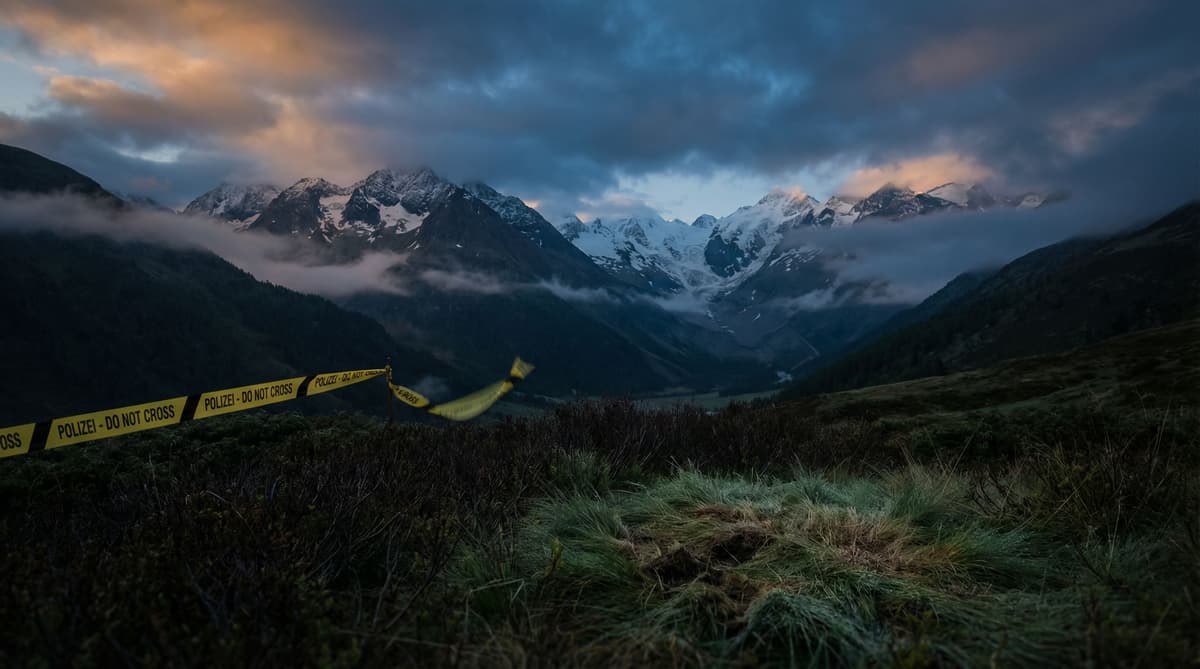
A grim discovery in the southeastern valley of Poschiavo has ignited a criminal investigation, shattering the uneasy truce in Switzerland's wildlife management. On Monday, a male wolf was found dead, not by natural causes, but by a bullet. The Graubünden Office for Hunting and Fishing has confirmed the predator died from a gunshot wound, a finding that immediately escalates this from a biological event to a crime scene.
This was not a sanctioned cull. Authorities have stated with absolute clarity that no authorization exists for shooting wolves in the Poschiavo region. This act represents a direct violation of cantonal and federal law, bypassing the strict regulatory frameworks designed to manage the delicate balance between predator populations and agricultural interests. The discovery of the carcass forces the canton to confront a stark reality: rogue elements may be taking wildlife management into their own hands. As news of the illegal killing spreads, it underscores the volatility of the situation in Graubünden, a region often at the epicenter of the wolf debate.
Forensics Deployed: Bern Takes the Lead
The investigation has moved rapidly from the field to the laboratory. In a decisive move to secure evidence, authorities have transported the dead animal to the Centre for Fish and Wildlife Medicine in Bern. This is not merely a biological examination; it is a forensic reconstruction of a crime. Experts are tasked with conducting a comprehensive analysis to determine the exact course of events leading to the animal's death.
The involvement of the cantonal police signals the severity of the offense. Ballistics analysis and biological forensics will be critical in identifying the weapon used and potentially narrowing down the timeline of the shooting. While the wolf population in Switzerland has been a subject of heated political debate, the judicial system treats unauthorized kills as serious offenses. The data retrieved from Bern will be pivotal. It will either confirm a singular act of poaching or point toward a more organized disregard for the law. The police are currently operating with a mandate to uncover the truth behind this illegal execution.
The Legal Red Line: Poaching vs. Regulation
There is a critical distinction between state-sanctioned regulation and vigilantism, and the Poschiavo incident sits firmly on the wrong side of that line. Switzerland has established rigorous protocols for wolf pack culls, which are assessed and authorized based on specific criteria regarding livestock damage and population density. In this specific instance, those criteria were either not met or not applied for. The Graubünden Office for Hunting and Fishing emphasized that "no wolves are currently authorised to be shot in Poschiavo," drawing a hard legal boundary.
When individuals bypass the state's authority, they undermine the credibility of the entire management system. Legal culls are designed to be preventive and controlled; this shooting appears to be reactive and uncontrolled. The incident throws a wrench into the ongoing dialogue between farmers, environmentalists, and the government. While recent legislation has allowed for more flexibility in preventive culls, the unauthorized killing of a protected species remains a criminal act, carrying significant penalties. This event serves as a stark reminder that despite loosening regulations, the state retains the monopoly on the use of force against wildlife.