culture
Historic Russian Imperial Ring Stolen from Basel Museum
Valuable ring gifted by Tsar Alexander I in 1814 taken from alarmed display case at Haus zum Kirchgarten museum, triggering international cultural property alert
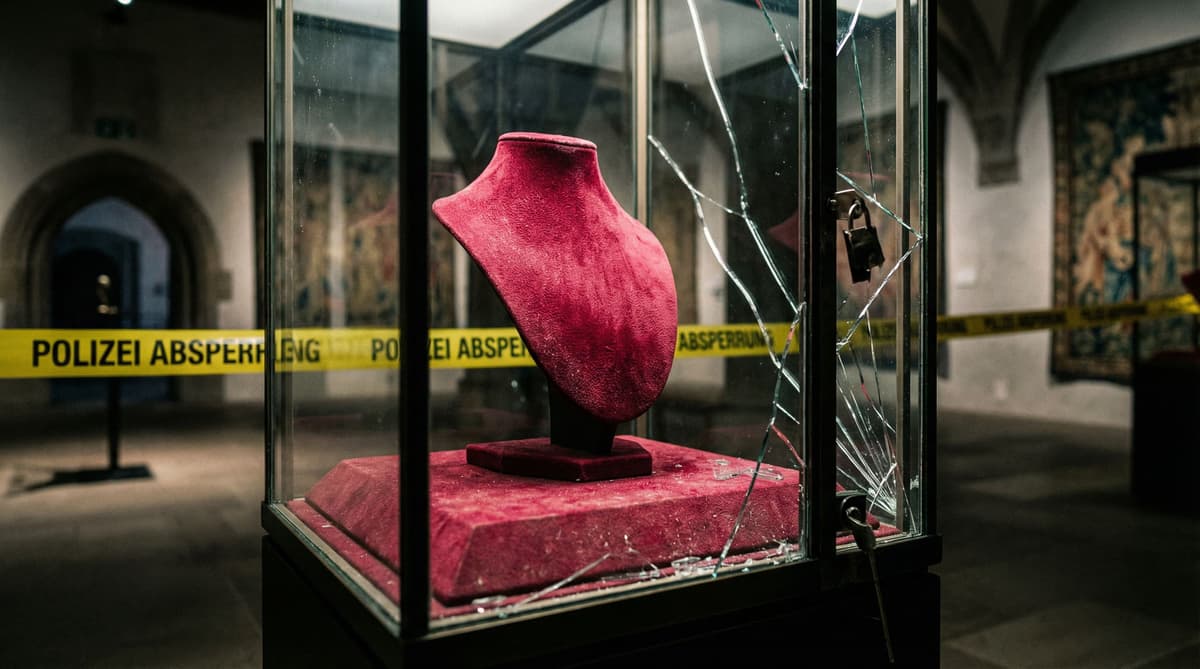
Thieves have struck at the very heart of Basel's cultural history, executing a theft that has left authorities scrambling and the art world on high alert. Unknown assailants successfully infiltrated the Haus zum Kirchgarten museum and vanished with a historic ring of immense provenance. The crime, discovered at the end of May, remained shrouded in secrecy for weeks as investigators worked in the shadows. The Basel Historical Museum, the parent institution, only broke its silence recently, revealing a disturbing breach of what should have been a secure environment.
The timeline of this crime is particularly alarming. While the theft was identified in late May, the decision to withhold public information was a calculated strategic move agreed upon with the Public Prosecutor’s Office. This delay was intended to give law enforcement a tactical advantage, but with initial investigative measures failing to yield the ring, the museum has now been forced to pivot. They are now confronting the public with the stark reality that a piece of Switzerland's diplomatic history has been snatched from under their noses. The perpetrators remain at large, and the clock is ticking on the recovery of this irreplaceable artifact.
Imperial History: A Tsar's Gratitude
This is no ordinary piece of jewelry; it is a tangible witness to the fall of Napoleon and Switzerland's pivotal role in 19th-century geopolitics. The stolen object dates back to 1814, a volatile year when Russian Tsar Alexander I marched his army through Basel alongside Austrian and Prussian allies. The monarch, a central figure in the coalition against the French Emperor, took residence at the Segerhof, a former monastery that served as his command post and sanctuary.
As a token of profound gratitude to his hostess, Dorothea Burckhardt-Merian, the Tsar gifted a brooch that would later be transformed into the ring now missing from the collection. The object bears the initials "B M," linking it forever to the Burckhardt-Merian lineage. The museum has explicitly stated that the "historical value of the stolen ring is higher than its material value." This theft robs Basel not just of gold or gems, but of a direct physical link to the moment when the map of Europe was being redrawn on Swiss soil. Since entering the Historical Museum’s collection in 1950, it has stood as a testament to Basel's diplomatic hospitality—a legacy now jeopardized by criminal greed.
Security Failure: The Silent Alarm
How does a ring vanish from a secured display case without triggering an immediate response? This is the critical question plaguing the Haus zum Kirchgarten today. The museum has confirmed that the display case was fitted with an active alarm system, yet the thieves managed to bypass or neutralize the threat of immediate capture. More damning is the admission from the institution that "internal checks suggest that the theft was not noticed immediately." This gap between the act of the crime and its discovery suggests a sophisticated operation or a significant lapse in monitoring protocols.
The failure of the alarm to prevent the theft—or at least alert staff instantly—has triggered a comprehensive security review. The museum has initiated an urgent analysis to strengthen its defenses, acknowledging that their current measures were insufficient against this threat. This incident serves as a wake-up call for cultural institutions across Switzerland. When technology fails and human oversight lags, heritage is left vulnerable. The delay in detection has undoubtedly given the criminals a significant head start, complicating the forensic trail and allowing the trail to go cold before the investigation even began.