environment
Geneva's Green Transport Initiative: 200 Buses Donated to Tunisia
Geneva public transport authority advances electrification goals by donating 200 combustion buses to Tunisia, part of sustainability transition plan.
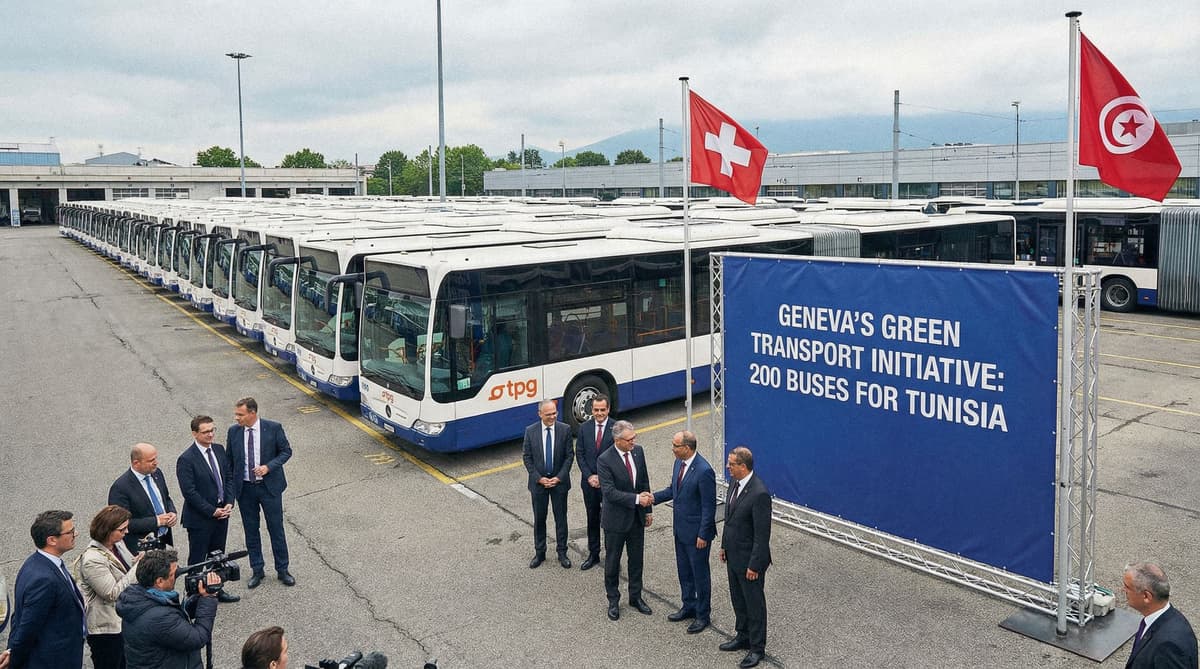
In a landmark move demonstrating Swiss commitment to both environmental sustainability and international cooperation, Geneva's public transportation company (TPG) has announced the donation of 200 combustion engine buses to Tunisia. This significant initiative marks a crucial step in Geneva's transition towards a zero-emission public transport system while supporting mobility needs in North Africa.
Environmental Impact and Strategy
The donation is integral to TPG's ambitious environmental strategy, aiming for complete fleet electrification by 2030. Rather than decommissioning the combustion engine buses, this initiative extends their operational life while TPG transitions to electric vehicles. This approach represents a balanced solution between environmental goals and resource optimization, demonstrating Swiss pragmatism in environmental policy implementation.
International Cooperation Details
The collaboration between TPG and Tunisia's Transtu was formalized through a contract signing at TPG headquarters. The transfer will be executed over four years starting January, with Transtu managing the logistics of transporting the vehicles across the Mediterranean. This structured approach ensures a smooth transition for both parties while maintaining service continuity.
Benefits for Tunisia
This donation addresses critical challenges facing Tunisia's public transport system. Transtu has experienced a dramatic decline in passenger numbers, from 335 million in 2010 to 113 million in 2023, largely due to fleet maintenance issues and parts shortages. The injection of 200 well-maintained buses will help revitalize public transport services in Tunis, potentially reversing the decline in ridership.
Future Implications
This initiative sets a precedent for international cooperation in sustainable transport development. While Geneva progresses towards its zero-emission goals, the extended use of existing vehicles in Tunisia maximizes their operational life cycle. This model of resource optimization and international solidarity could inspire similar initiatives among other European cities transitioning to greener transport solutions.