transportation
Geneva Pioneers Free Public Transport for Youth and Discounted Senior Travel
Geneva implements groundbreaking free public transport program for residents under 25 in education or low-income situations, while halving fares for elderly passengers.
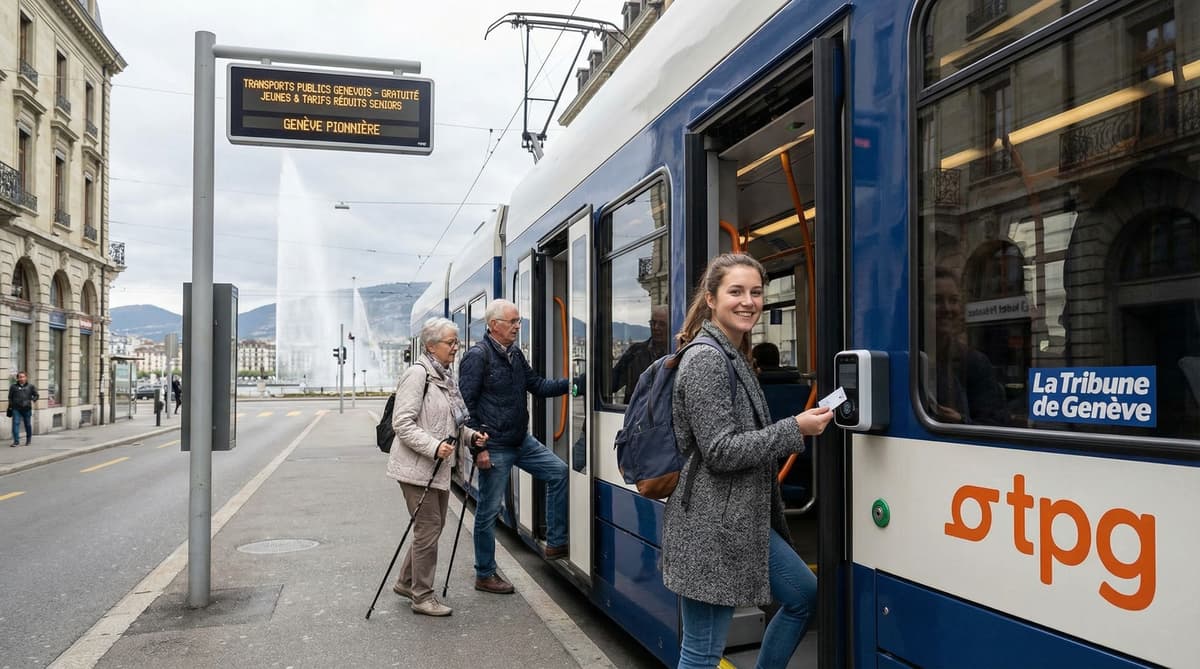
In a groundbreaking move that positions Geneva at the forefront of sustainable urban mobility, the Swiss canton has launched an ambitious public transport initiative. As of January 1, 2025, Geneva became the first Swiss canton to offer free public transport to residents under 25 who are either in education or facing financial constraints, while simultaneously introducing half-price fares for elderly passengers. This progressive policy places Geneva among a select group of European cities pioneering accessible public transportation, marking a significant shift in Swiss urban mobility strategy.
Program Details and Eligibility
The initiative's eligibility criteria are carefully structured to benefit specific demographic groups. Young residents under 25 must demonstrate either current educational enrollment or low-income status to qualify for free transport. The elderly benefit from a 50% reduction in their travel costs, making public transport more accessible for senior citizens. The verification process requires proof of residency, educational status, or income level, with dedicated staff at transport offices handling applications. As Rémy Burri, head of the Geneva fare community, emphasizes, 'It's not free transport but rather transport on offer,' highlighting the program's targeted nature.
Financial Framework and Implementation
The financial structure of the initiative is robust, with funding sourced from Geneva's surplus tax revenues. The initial budget allocation stands at CHF32 million, though projections suggest total sales could reach CHF40-45 million based on current demand. The state directly covers the costs of season tickets, ensuring transport companies maintain their revenue streams. This model represents a significant public investment in sustainable mobility, with the government absorbing the financial burden rather than passing it to transport operators or users.
Public Response and Initial Impact
The public's response to the initiative has been overwhelmingly positive, with long queues at ticket offices demonstrating high demand. Initial waiting times reached up to 45 minutes as staff processed applications. Students have particularly welcomed the change, with many citing previous financial struggles with transport costs. The elderly population has also embraced the half-price scheme, with significant annual savings reported. However, some interesting patterns have emerged, including applications from occasional users simply taking advantage of the offer, raising questions about resource optimization.
Infrastructure and Future Considerations
As Geneva implements this ambitious program, attention has turned to infrastructure capacity and future planning. The transport network is already experiencing peak-time congestion, prompting planned service expansions. The rail network saw improvements in December, with additional tram and bus services scheduled throughout the year. Transport authorities are monitoring usage patterns to ensure service levels match demand. As noted by mobility expert Sébastien Munafò, the initiative's long-term goal is to establish sustainable transport habits among young people that will persist into adulthood, potentially reshaping Geneva's mobility landscape for generations to come.