Crime
Fraud cases nearly doubled in Switzerland over three years
Fraud cases in Switzerland nearly doubled between 2022 and 2025, according to a crime survey by researchers at Zurich University of Applied Sciences and the University of St Gallen. Despite the rise, most people surveyed still consider Switzerland a safe country.
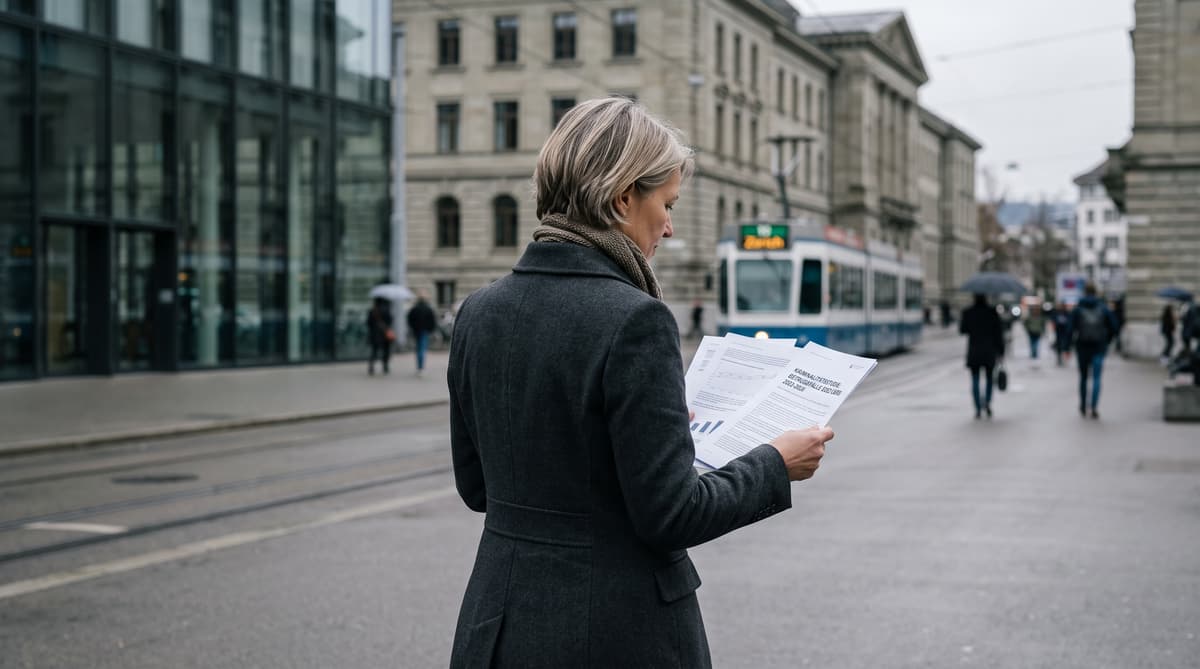
Nearly one in six people surveyed said they had experienced fraud in the previous year. The Crime Survey 2025, conducted by the Zurich University of Applied Sciences (ZHAW) and the University of St Gallen, found that 15.9% of respondents had been victims, compared with 8.4% in the 2022 survey. That is a rise of 7.5 percentage points in three years.
The increase comes alongside higher reported levels of some other offences and a decline in residents’ sense of safety after dark. Yet most people surveyed still regard Switzerland as a safe country. The findings draw on respondents’ accounts of their experiences, rather than police reports alone.
Dirk Baier, who jointly leads the research project, said the share of victims who reported offences to police remained largely unchanged from the previous survey. He therefore attributes the increase in offences reported by respondents to more crime, rather than to a greater willingness to contact police. The results give Swiss authorities and communities a fresh measure of how crime is affecting residents, with fraud emerging as the clearest change.
Follow the Fraud Into Digital Life
Online channels accounted for three-quarters of the fraud offences reported in the survey. Respondents described fraud taking place online, including through social media. The finding points to the digital spaces where many people now communicate and conduct everyday transactions, though the survey figures do not break down the offences by platform or type.
The proportion of respondents who said they had been victims rose from 8.4% in 2022 to 15.9% in 2025. The increase is close to a doubling, and makes fraud the most pronounced rise highlighted in the survey. It also means the issue reaches well beyond a small group of respondents: roughly one in six reported victimisation during the previous 12 months.
For Swiss residents, the figures put online fraud among the crime risks they may encounter in daily life. The survey does not quantify how many people lost money or what sums were involved, so the victimisation rate should not be read as a measure of financial damage. It does show that more respondents reported being targeted or affected, while the overall share reporting offences to police stayed broadly similar to 2022.
Watch Theft and Harassment Climb
The survey also recorded increases in theft and sexual harassment. Respondents reporting theft of personal belongings rose from 3% in 2022 to 4.3% in 2025. The share reporting theft from cars climbed from 1.2% to 2.7% over the same period.
Sexual harassment increased from 4.3% to 6.2%. The survey found no increase in sexual violence, distinguishing that measure from the rise in harassment. Both indicators matter when assessing how residents experience crime, but they describe different offences and should not be conflated.
The figures reflect the proportion of people surveyed who said they had been victims in the previous 12 months. They are not counts of police cases, and the survey summary does not provide regional breakdowns. That leaves the national picture clear while offering no basis for ranking cantons or towns. Baier’s assessment of unchanged reporting behaviour is relevant across these measures: respondents’ accounts point to a rise in experienced offences, rather than a broad change in the tendency to report them to police. The increases add to the survey’s wider account of changing crime experiences in Switzerland.
Measure the Shift in Public Safety
Fewer respondents said they felt safe in their neighbourhood after dark. The share fell from 87.6% in 2022 to 83.1% in 2025, while fear of becoming a victim of street crime also increased. At the same time, 37.9% said police presence was insufficient, up from 28.9% three years earlier.
The figures describe a shift in public perception, not a collapse in confidence in law enforcement. Trust in the police remains high, according to the study’s authors. The proportion of victims who reported offences to police also stayed largely unchanged, which Baier cited in arguing that rising victimisation, rather than reporting habits, explains the increase in offences respondents described.
Nora Markwalder, the project’s other co-leader, urged a measured response. “We must take this trend seriously without overstating it,” she said. Markwalder added that people still regard Switzerland as a safe country, despite feeling less secure. The survey therefore captures two realities at once: more respondents reporting crime and a modest decline in feelings of safety, alongside continued confidence in Switzerland’s overall security.