politics
Environmental Responsibility Initiative Faces Government Opposition
Swiss government recommends rejecting February's environmental responsibility initiative, citing concerns over economic impact and implementation timeline.
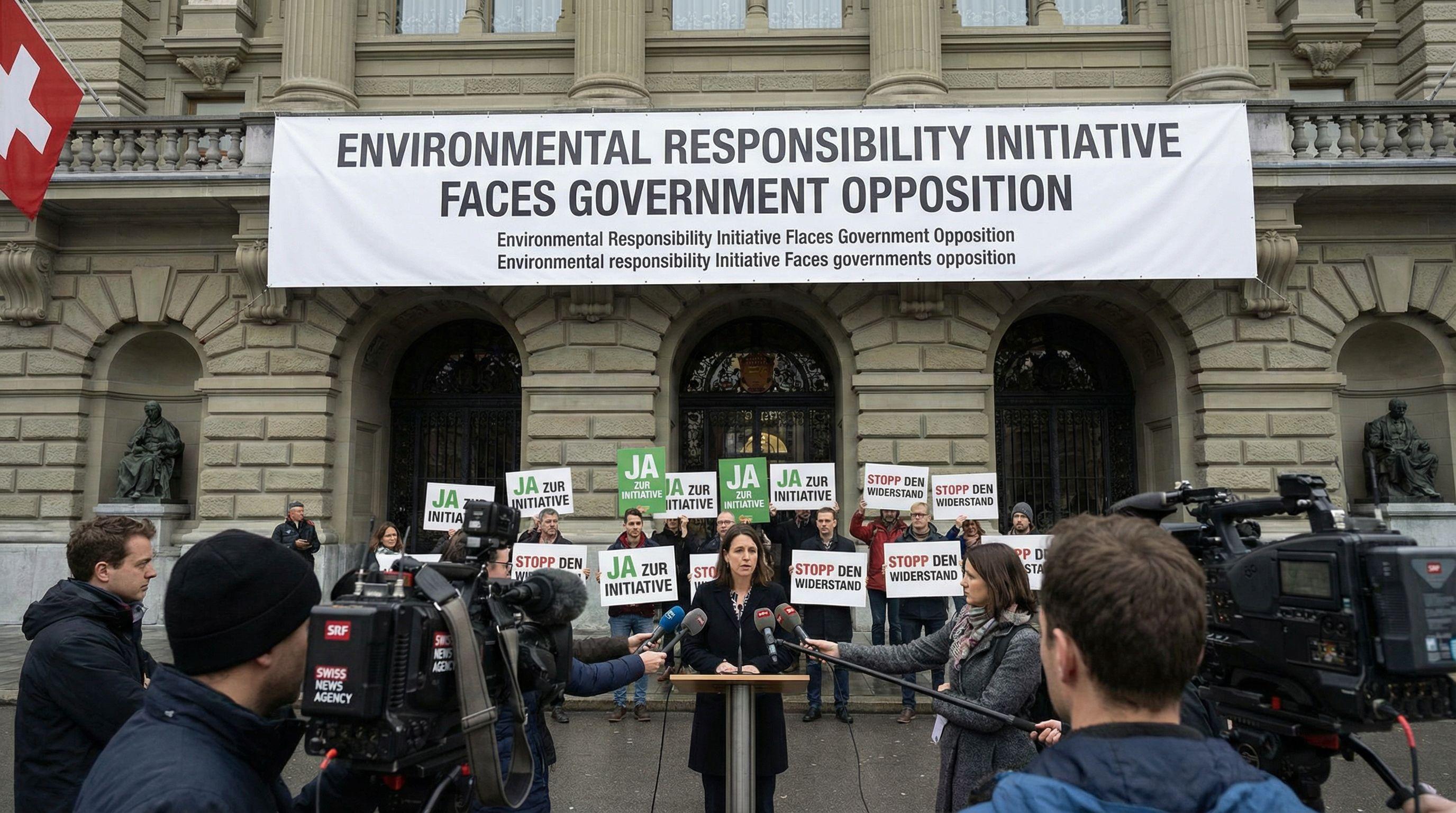
Bern Draws a Hard Line
The Federal Council has issued a categorical rejection. In a decisive move ahead of the February 9 vote, the Swiss government and parliament are urging citizens to vote "No" on the environmental responsibility initiative. The message from Bern is crystal clear: while nature must be protected, this specific proposal is a bridge too far. The initiative, formally titled “For a responsible economy within planetary boundaries,” has collided head-on with political pragmatism.
Environment Minister Albert Rösti is leading the charge against the proposal, asserting that the initiative's demands are not just ambitious, but dangerous for the nation's stability. "The approach demanded by the initiative goes too far," Rösti declared, signaling a fierce political battle in the coming weeks. The government argues that while the sentiment of conservation is valid, the mechanism proposed by the initiative is fundamentally flawed and would disrupt the Swiss way of life.
Economic Shockwaves Predicted
Prepare for bans, regulations, and restrictions. This is the stark warning issuing from the environment ministry regarding the potential fallout of a "Yes" vote. The government contends that implementing the initiative would trigger an unprecedented wave of state intervention into the private lives of Swiss citizens. We are not talking about minor adjustments; authorities warn of "far-reaching negative consequences" that would ripple through the entire economy.
The impact would be felt at the dinner table, in the driveway, and within the home. The ministry has explicitly flagged food, housing, and mobility as sectors that would face severe restrictions. The government's position is that the initiative would force a dismantling of current economic freedoms, replacing them with a rigid framework of prohibitions that the population is ill-equipped to absorb. The narrative is clear: a vote for the initiative is a vote for economic constriction.
The 10-Year Impossible Deadline
A staggering reduction in consumption is demanded within a mere decade. The initiative's core requirement—to force the Swiss economy within "planetary boundaries" in just ten years—is being framed by opponents as a logistical impossibility. Minister Rösti emphasizes that the environmental impact caused by consumption would have to be "greatly reduced" in this short window, a pace of change that the government views as reckless.
This accelerated timeline is the crux of the conflict. While the government acknowledges the need for resource conservation, they advocate for a steady, managed transition using current measures rather than a constitutional shock therapy. The 10-year deadline forces a binary choice: gradual evolution under current laws, or a radical, forced transformation that the Federal Council believes would shatter economic stability.
Verdict at the Ballot Box
The clock is ticking down to February 9. As the nation prepares to head to the polls, the battle lines are drawn between environmental urgency and economic security. Current forecasts already hint at a "No" vote, suggesting the government's warnings about economic disruption are resonating with the electorate. However, the debate highlights a critical tension in modern Switzerland: the desperate need for sustainability versus the fear of losing prosperity.
The government remains firm in its strategy to rely on existing measures to conserve resources, rejecting the need for new constitutional mandates. Come February, Swiss voters will decide whether to stay the course or mandate a historic, albeit risky, pivot toward strict environmental responsibility. The outcome will define the country's economic and ecological trajectory for the next generation.