Switzerland
Doctor shortage puts pressure on Swiss healthcare
A shortage of primary-care doctors is putting pressure on Switzerland’s healthcare system, with some communities struggling to provide timely access to family physicians. The problem is expected to worsen as doctors retire and demand for care increases.
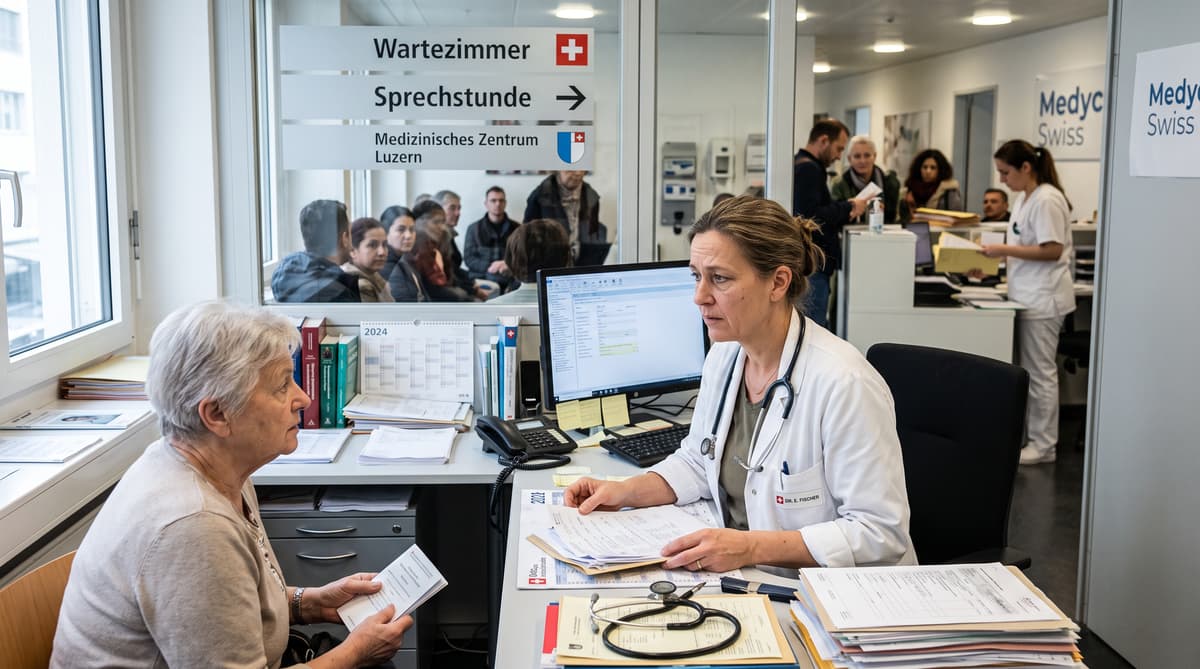
Some communities are already struggling to connect patients with family doctors. Switzerland’s healthcare system faces a shortage of primary-care physicians, raising pressure on a service many people rely on for routine care and their first point of contact with the health system. The published account describes a problem affecting access now, while the outlook points to further strain.
The pressure is expected to grow as doctors retire and demand for care rises. That combination puts local access at the centre of the issue: when communities have difficulty providing timely appointments, residents may have fewer options for seeing a family physician when they need one. The challenge is national, but its effects are felt where patients seek care. The available account does not provide figures for the size of the shortfall, so the clearest measure of its impact is the reported difficulty some communities face in maintaining timely access.
Track the workforce squeeze
Retirements and rising demand are expected to widen the gap. The shortage is not presented as a short-lived disruption: the pressure is forecast to increase as doctors leave practice and more care is needed. Together, these trends make it harder for communities to sustain timely access to family physicians.
The consequences reach beyond the number of doctors available. Primary-care access shapes whether people can arrange an appointment with a family physician when they need care. Where that access is difficult, patients face a more constrained route into the healthcare system. The account does not quantify how many doctors are retiring or how quickly demand is rising, but it identifies both as forces pushing in the same direction. For Switzerland, that makes workforce capacity a central concern for the future of local healthcare provision.
See the pressure locally
The strain is visible at community level, where timely appointments are difficult to secure. The account identifies some communities as struggling to provide access to family physicians. It does not name those places, but the local dimension matters: people experience the shortage through the availability of care where they live, not as an abstract national tally.
For residents, a shortage can mean fewer opportunities to see a family doctor promptly. For communities, the challenge is to keep primary care accessible as the workforce changes and demand increases. The available information offers no regional comparison, so it cannot show which parts of Switzerland face the greatest pressure. What it does establish is that access is already a concern in some places, and that the forces expected to intensify the problem are not limited to a single community.
Prepare for a tighter future
The outlook depends on a healthcare system facing more demand as doctors retire. Those pressures are expected to make the shortage worse, extending the challenge beyond today’s access difficulties. The account provides no forecast figures or timeline, but its direction is clear: communities will need to maintain access to family physicians while the supply of doctors is under pressure.
For Swiss residents, the issue is practical. Timely access to a family doctor is already difficult in some communities, and worsening shortages could make that challenge more widespread. The coming pressure will test the ability of local healthcare provision to meet demand as the workforce changes. The immediate concern is whether patients can reach a family physician when they need one. That is the point at which a national shortage becomes part of daily life for households and communities across Switzerland.