Climate
UN warns climate disasters threaten nearly 90 million displaced people
The UN refugee agency says nearly 90 million refugees and internally displaced people face climate-related disasters, while funding is not reaching communities most at risk. Three-quarters of forcibly displaced people live in countries highly or extremely vulnerable to climate change, according to the agency.
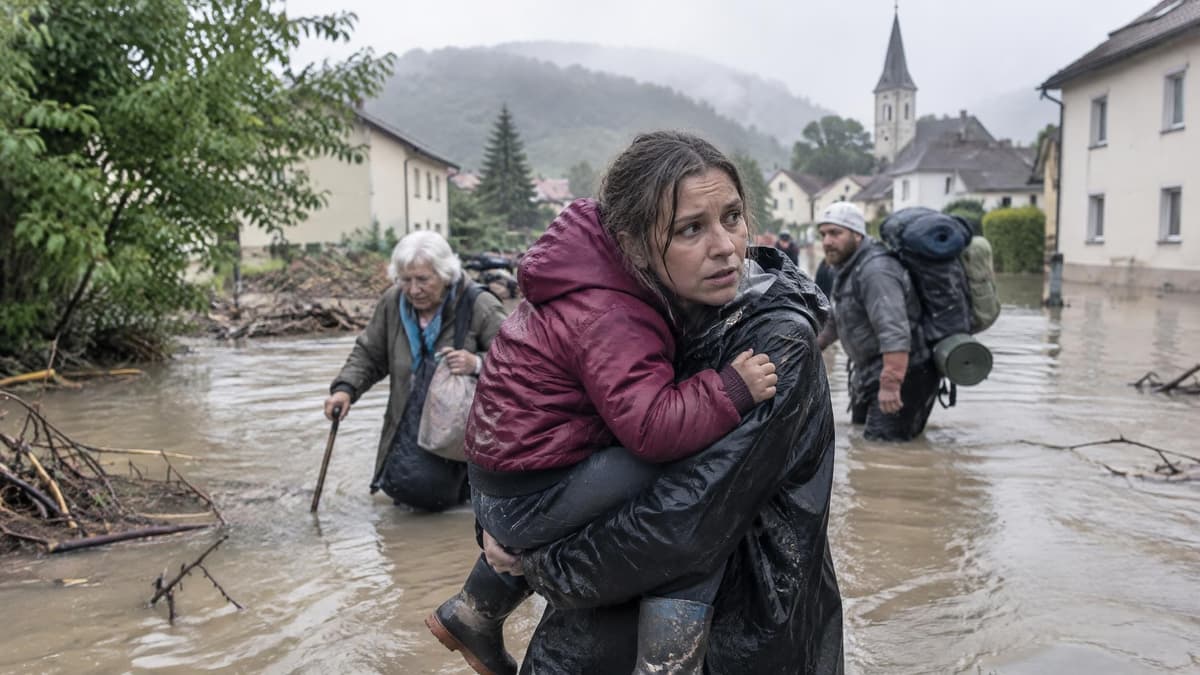
Nearly 90 million displaced people face climate-related disasters, the UN refugee agency says, drawing attention to the risks confronting refugees and people displaced within their own countries. The agency's warning combines two linked realities: large numbers of forcibly displaced people face disaster threats, and most live in countries highly or extremely vulnerable to climate change. The agency also says funding is not reaching the communities most at risk. Together, those findings put exposure and assistance at the centre of the climate displacement debate. The figures describe a challenge affecting people across borders and within them, while underscoring that climate vulnerability is concentrated in the countries where three-quarters of forcibly displaced people live. The UN agency's message is direct: communities facing the greatest risks are not receiving the funding intended to help them.
Trace the vulnerability
Three-quarters of forcibly displaced people live in highly or extremely climate-vulnerable countries. That figure captures the breadth of the exposure identified by the UN refugee agency. It covers people forced from their homes, including refugees and internally displaced people, and points to the conditions across the countries where they live. The agency separately says nearly 90 million people in these groups face climate-related disasters. Read together, the figures show how displacement and climate vulnerability overlap on a global scale. The warning concerns people who have already been uprooted and communities confronting disaster risks where they have sought refuge or remained displaced. It places the focus on the circumstances of forcibly displaced people, rather than treating climate threats as a distant concern separate from displacement. The UN agency's assessment makes their exposure a central part of its call for attention and support.
Direct funding to those at risk
Funding is not reaching the communities most at risk, the UN refugee agency says. Its warning makes the distribution of support a key part of the climate challenge facing displaced people. The agency links the funding concern to a population of nearly 90 million refugees and internally displaced people who face climate-related disasters. Its assessment also places three-quarters of forcibly displaced people in countries highly or extremely vulnerable to climate change. These figures frame the scale of exposure alongside a concern about whether resources are reaching those facing the greatest risks. The agency's message calls attention to the communities at the sharp end of climate-related disasters and to the gap between their risks and the funding reaching them. For people already displaced, climate danger and access to support sit within the same broad crisis identified by the UN refugee agency.
Bring the warning to Geneva
Geneva is the setting for a warning with global reach. The UN refugee agency's assessment puts climate-related disaster risks facing displaced people on the international agenda, with nearly 90 million people affected and three-quarters of forcibly displaced people living in highly or extremely vulnerable countries. For Switzerland, the Geneva connection gives the warning a clear institutional link: the agency is speaking from the city that hosts the UN presence behind its message. The substance of that message is focused on exposure and resources. Displaced people face climate-related disasters, while funding is not reaching the communities most at risk. The figures give Swiss readers a way to grasp the scale of the issue and the agency's concern about assistance. Its warning centres on whether support reaches people facing the greatest climate risks, including refugees and those displaced within their own countries.