Basel
Manslaughter Probe Opened After Fatal Legionnaires' Outbreak in Basel
The Basel-City Public Prosecutor’s Office has launched a criminal investigation on suspicion of manslaughter following a Legionnaires' disease outbreak that has killed one person and sickened 28 others.
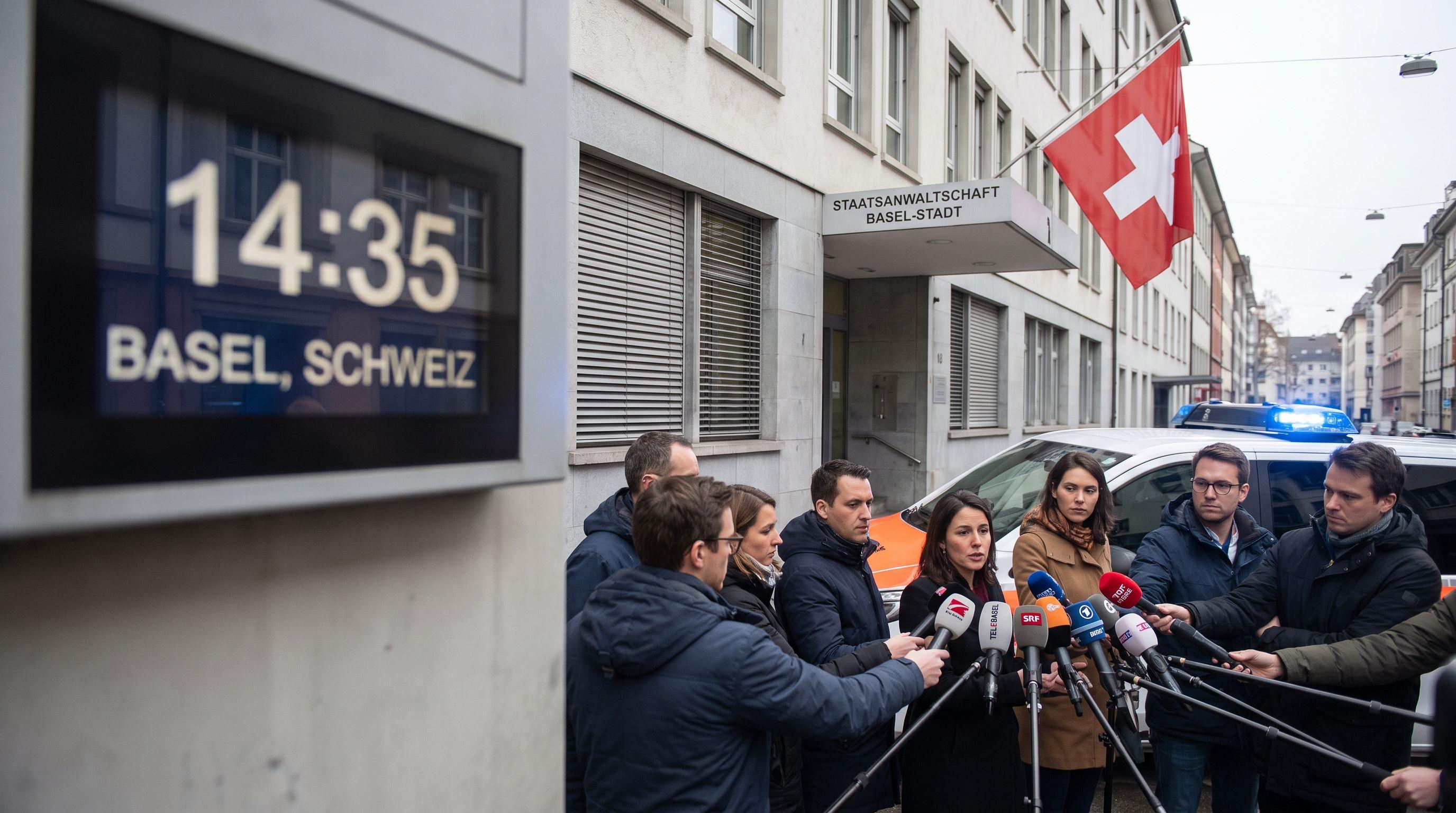
Manslaughter Probe Rocks Basel After Fatal Outbreak
A single death has transformed a public health emergency into a high-stakes criminal hunt. The Basel-City Public Prosecutor’s Office has officially opened a criminal investigation on suspicion of manslaughter, a move that sends shockwaves through the city’s corporate and administrative sectors. This is no longer just a medical anomaly; it is a legal reckoning. Authorities launched the proceedings ex officio, signaling that the evidence gathered by the criminal investigation department demands immediate judicial scrutiny. While the city mourns the loss of one resident, the focus shifts aggressively toward accountability. The investigation targets the potential negligence that allowed a common bacterium to become a silent killer in the heart of Basel. As the Rhine flows quietly by, the legal machinery of the canton is grinding into gear, determined to uncover whether cost-cutting or maintenance failures led to this avoidable tragedy. The stakes are unprecedented for local infrastructure management, as the city confronts the reality that its own cooling systems may have been weaponized by neglect.
Twenty-Eight Victims Grapple with Respiratory Crisis
Twenty-eight confirmed cases have turned Basel’s medical wards into a frontline battleground over the last fortnight. The scale of the infection is staggering: out of 28 sickened individuals, 25 required immediate hospitalisation. This isn't a minor flu; it is a systemic assault on the lungs. At the peak of the crisis, seven patients were fighting for their lives in intensive care, tethered to ventilators as Legionnaires' disease—a severe form of pneumonia—ravaged their systems. Even now, six people remain confined to hospital beds, their recovery uncertain. The speed of the spread has been alarming, with cases flaring up primarily in central Basel but sparking isolated infections across the region. The symptoms are brutal: high fever, muscle pain, and in the most severe instances, patients coughing up blood. While the disease does not jump from person to person, the environmental transmission was so efficient that it overwhelmed the local health infrastructure within days. This outbreak serves as a grim reminder of how vulnerable a modern urban population remains to microscopic threats hidden in plain sight.
Lethal Bacteria Traced to Kleinbasel Rooftops
Investigators have pinpointed the 'smoking gun' atop an iconic piece of Basel real estate. High levels of Legionella pneumophila were detected in two evaporative cooling towers on the roof of the Manor department store headquarters in Kleinbasel. These facilities, designed to keep the building's climate controlled, instead became incubators for death. The bacteria, which thrive in warm, stagnant water, were likely aerosolized and carried by the wind across the Rhine, infecting residents who simply breathed the city air. Authorities acted decisively on Friday, shuttering the facilities for immediate refurbishment. However, the discovery raises uncomfortable questions about the maintenance protocols of high-capacity cooling systems across the canton. Samples from ten different facilities were tested before the culprits were identified, suggesting a widespread potential for similar failures. The concentration of cases in central Basel confirms that these towers were the primary source of the toxic mist. As technicians in hazmat suits begin the decontamination process, the city is forced to look upward at its skyline with newfound suspicion.
Public Health Authorities Demand Immediate Vigilance
The crisis is far from over, and the health department’s message is clear: do not ignore the symptoms. Anyone experiencing shortness of breath, fever, or a persistent cough must consult a doctor immediately. While the primary source has been neutralized, the incubation period for Legionnaires' disease means new cases could still emerge. This outbreak has exposed a critical vulnerability in urban maintenance that Switzerland can no longer ignore. Moving forward, the Basel health authorities are intensifying their monitoring and inspection of all water-based cooling systems, humidifiers, and whirlpool spas. The legal outcome of the manslaughter probe will likely set a new national precedent for how building owners manage environmental health risks. In a country that prides itself on precision and safety, the Basel outbreak is a startling deviation from the norm. It serves as a loud wake-up call for stricter regulations and more frequent testing of industrial water systems. The city is now on high alert, balancing the need for industrial cooling with the fundamental right of its citizens to breathe clean, safe air.