healthcare
AI Diagnostic System Trial Yields Disappointing Results in Swiss Hospitals
First-of-its-kind study at Bern Inselspital shows AI-based diagnostic system fails to improve accuracy over conventional methods.
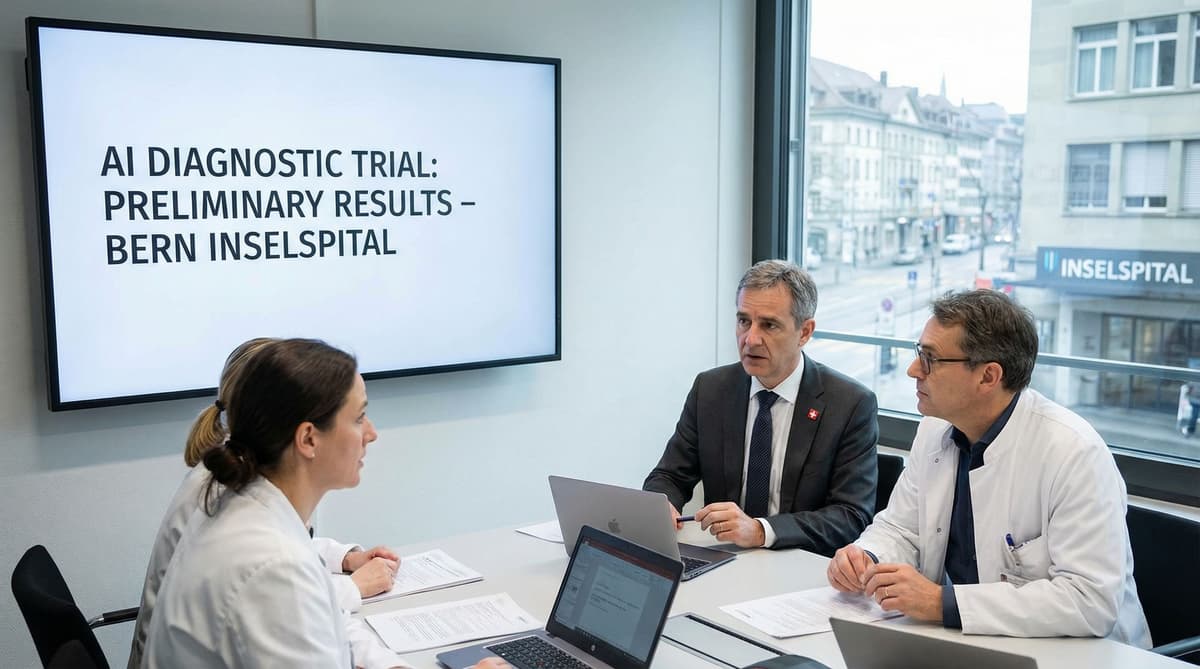
In a groundbreaking initiative, Bern's Inselspital conducted the world's first comprehensive study of an AI-based diagnostic system in acute medicine. The trial, which took place across four Swiss emergency departments, involved approximately 1,200 patients presenting with non-specific complaints. The study utilized the 'Isabel Pro' AI system, positioning Switzerland at the forefront of medical AI evaluation.
The research team designed the study to compare the AI system's diagnostic capabilities against conventional medical diagnostic methods, with patients divided into two groups - one utilizing AI assistance and the other following traditional diagnostic procedures.
Key Findings
The results of the two-week study period revealed disappointing outcomes for AI-assisted diagnostics. Both the AI-assisted and conventional diagnostic groups showed identical rates of quality issues, with 18% of patients in each group experiencing problems with their diagnoses. This unexpected result challenges the presumed advantages of AI in medical diagnostics.
The findings, published in The Lancet Digital Health, demonstrated no measurable advantage of the AI system over traditional diagnostic methods, contrary to initial expectations. This outcome provides crucial data for the ongoing debate about AI's role in healthcare.
Implications for Healthcare
The study's results carry significant implications for the future of AI in healthcare. While the findings might seem discouraging, they provide valuable insights into the current limitations of AI diagnostic systems and highlight the continued importance of human medical expertise. The research underscores the need for further development and refinement of AI technologies before they can meaningfully enhance medical diagnostic processes.
These results also raise important questions about the substantial investments being made in healthcare AI technologies and suggest the need for more rigorous evaluation of AI systems before their widespread implementation.
Swiss Medical Innovation Context
This study reinforces Switzerland's position as a leader in medical research and innovation evaluation. The Swiss healthcare system's willingness to critically assess new technologies demonstrates its commitment to evidence-based medicine and patient safety. The research conducted at Bern Inselspital contributes to the global understanding of AI's current capabilities and limitations in healthcare.
The study's findings will likely influence future healthcare technology investments and implementation strategies, not only in Switzerland but internationally, as healthcare systems worldwide look to optimize their approach to medical technology integration.