Swiss justice
Swiss court upholds 20-year sentence for former Liberian rebel commander
Switzerland’s Federal Supreme Court has upheld a 20-year prison sentence for former Liberian rebel commander Alieu Kosiah over war crimes committed during Liberia’s civil war. It acquitted him of crimes against humanity, ruling that applying the offence retrospectively would breach the principle of legality.
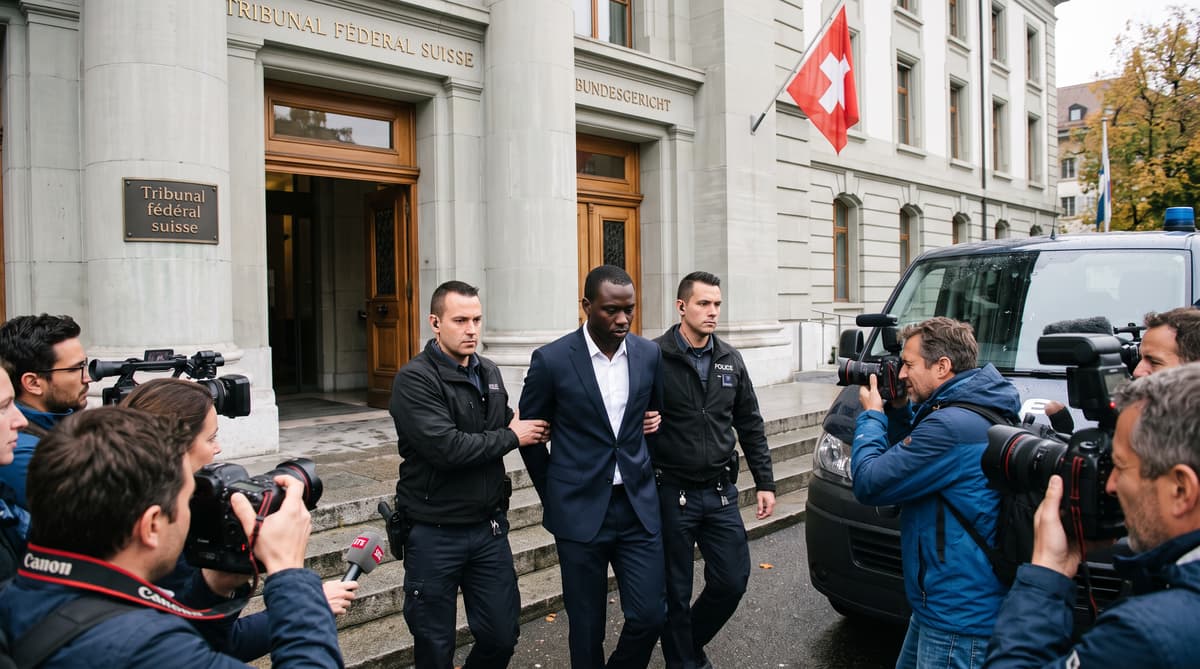
Switzerland’s highest court has upheld a 20-year prison sentence for former Liberian rebel commander Alieu Kosiah, leaving his war-crimes convictions in place while overturning his conviction for crimes against humanity. The Federal Supreme Court published its judgment on Friday, October 30, 2026, after examining offences committed during Liberia’s civil war between 1993 and 1995.
The decision draws a clear legal line between the charges. Kosiah remains convicted of war crimes, including the recruitment of child soldiers, murder, rape and the desecration of graves. The court acquitted him of crimes against humanity because Switzerland added that offence to its Criminal Code only in 2011. Applying it to acts from the 1990s would violate the principle of legality, the judges ruled.
The ruling therefore leaves the prison term unchanged while narrowing the convictions that support it. Kosiah, now 51, was arrested in Switzerland in 2014.
Apply the law by its date
The court’s acquittal rests on when the offence entered Swiss law. Switzerland did not incorporate crimes against humanity into its Criminal Code until 2011. Kosiah’s conduct under review took place from 1993 to 1995, during Liberia’s civil war. The Federal Supreme Court ruled that applying the later offence to those earlier acts would breach the principle of legality.
That finding removed the crimes-against-humanity conviction, but did not affect the court’s decision to uphold the war-crimes convictions or the 20-year sentence. The distinction is central to the judgment: the court addressed whether the later-added offence could lawfully cover conduct from an earlier period, while leaving the other convictions standing.
The ruling shows how the timing of a criminal law can shape the outcome of a case tried in Switzerland. Here, the court’s answer on retrospective application produced an acquittal on one charge, alongside the continued force of the sentence for war crimes.
Keep the war-crimes convictions
The war-crimes convictions remain the basis of Kosiah’s 20-year term. The Federal Supreme Court upheld convictions covering several grave offences: recruitment of child soldiers, murder, rape and desecration of graves. These findings concern Kosiah’s actions during Liberia’s civil war, which the court examined over the period from 1993 to 1995.
The ruling separates those convictions from the charge of crimes against humanity. Kosiah was acquitted of that offence because the Swiss Criminal Code did not include it until 2011, and the court found that applying it to earlier conduct would violate the principle of legality. The acquittal therefore did not erase the war-crimes findings.
For the case’s outcome, the distinction is decisive. The Federal Supreme Court left the sentence intact even as it set aside one category of conviction. Kosiah remains subject to the 20-year prison term for the war crimes upheld by the court.