science
Groundbreaking Swiss Study Shows Music Therapy Benefits for Premature Babies
Geneva University Hospitals research reveals music strengthens brain connections in premature infants, offering new therapeutic possibilities.
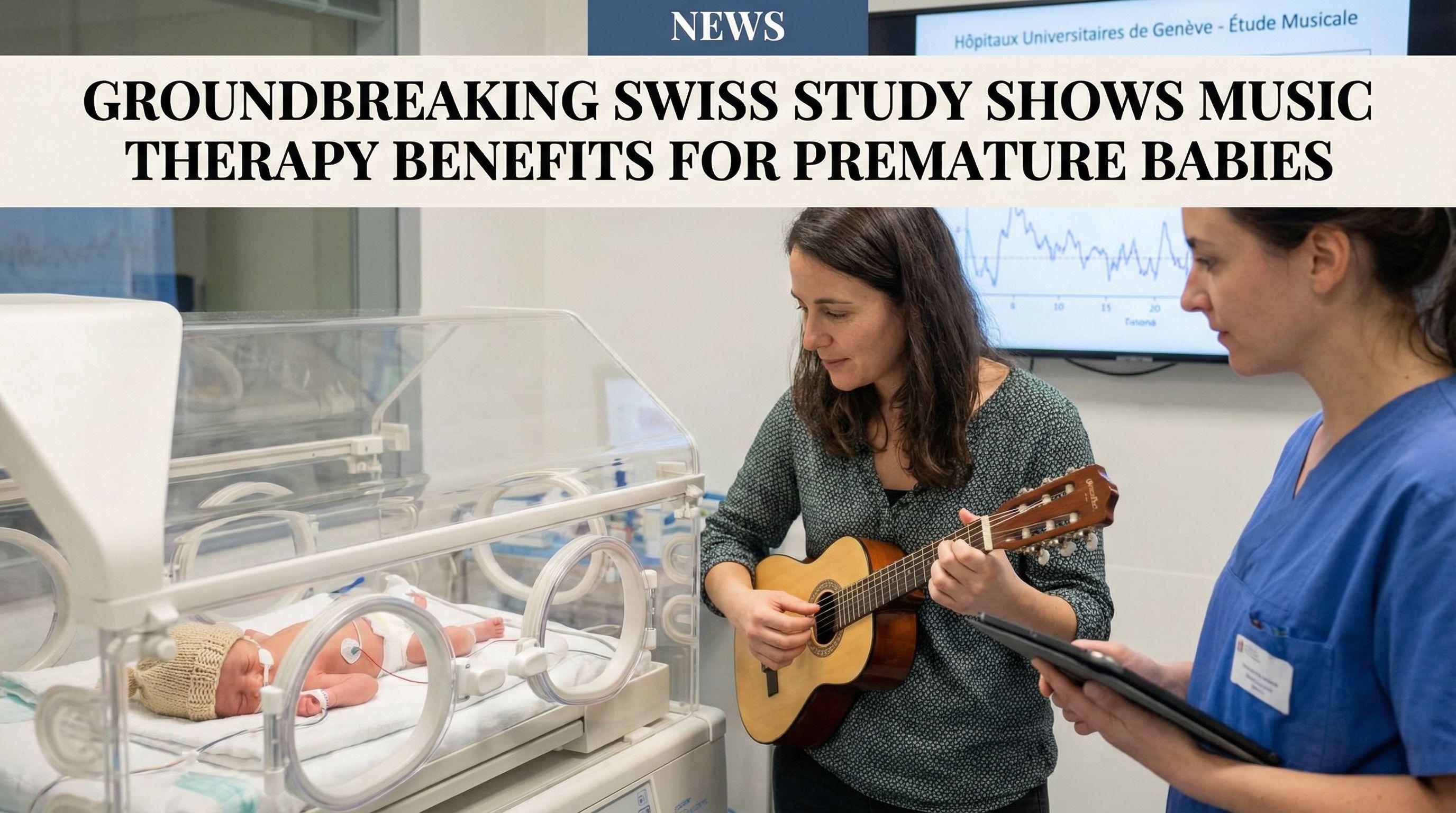
Breakthrough Discovery in Music Therapy
In a groundbreaking study conducted at the University Hospitals of Geneva (HUG), Swiss researchers have discovered that music therapy significantly strengthens brain connections in premature infants. This pioneering research, supported by the Swiss National Science Foundation (SNSF), offers new hope for preventing cognitive and emotional challenges commonly faced by premature babies.
Research Methodology and Participants
The study encompassed 60 premature infants, with 32 receiving music therapy and 28 serving as a control group. The participants, born at an average of 29 weeks gestation, were exposed to carefully composed eight-minute musical segments during transitions between sleep and wakefulness. Notably, renowned Zurich-based composer Andreas Vollenweider created special compositions designed to complement the infants' daily rhythms.
Brain Development Findings
MRI scans revealed remarkable improvements in brain connectivity as early as 33 weeks of age. The research team observed enhanced development in the brain's 'salience' network, crucial for processing and prioritizing sensory stimuli. Particularly notable was the strengthened connection between the insular cortex and anterior cingulate cortex, areas typically showing reduced connectivity in premature infants.
Swiss Innovation in Medical Care
This research exemplifies Switzerland's leadership in innovative medical treatments and research. The collaboration between medical researchers at HUG and Swiss musical artist Andreas Vollenweider demonstrates the unique Swiss approach to combining arts and science in healthcare solutions. The study's rigorous methodology and long-term follow-up reflect the high standards of Swiss medical research.
Future Implications
The study's initial cohort from 2016 is now reaching age eight, providing an opportunity for long-term impact assessment through cognitive and behavioral testing. If the ongoing research confirms sustained benefits, this Swiss-developed music therapy approach could be implemented in neonatal intensive care units worldwide, revolutionizing care for premature infants. The research team continues to monitor these developments while maintaining rigorous scientific standards.