AI
Written with AI assistance•December 17, 2024•
Swiss unions warn of growing wage gap in service sectors
Healthcare, retail, and hospitality workers face insufficient wage increases despite inflation, while construction trades see better outcomes.
Healthcare, retail, and hospitality workers face insufficient wage increases despite inflation, while construction trades see better outcomes.
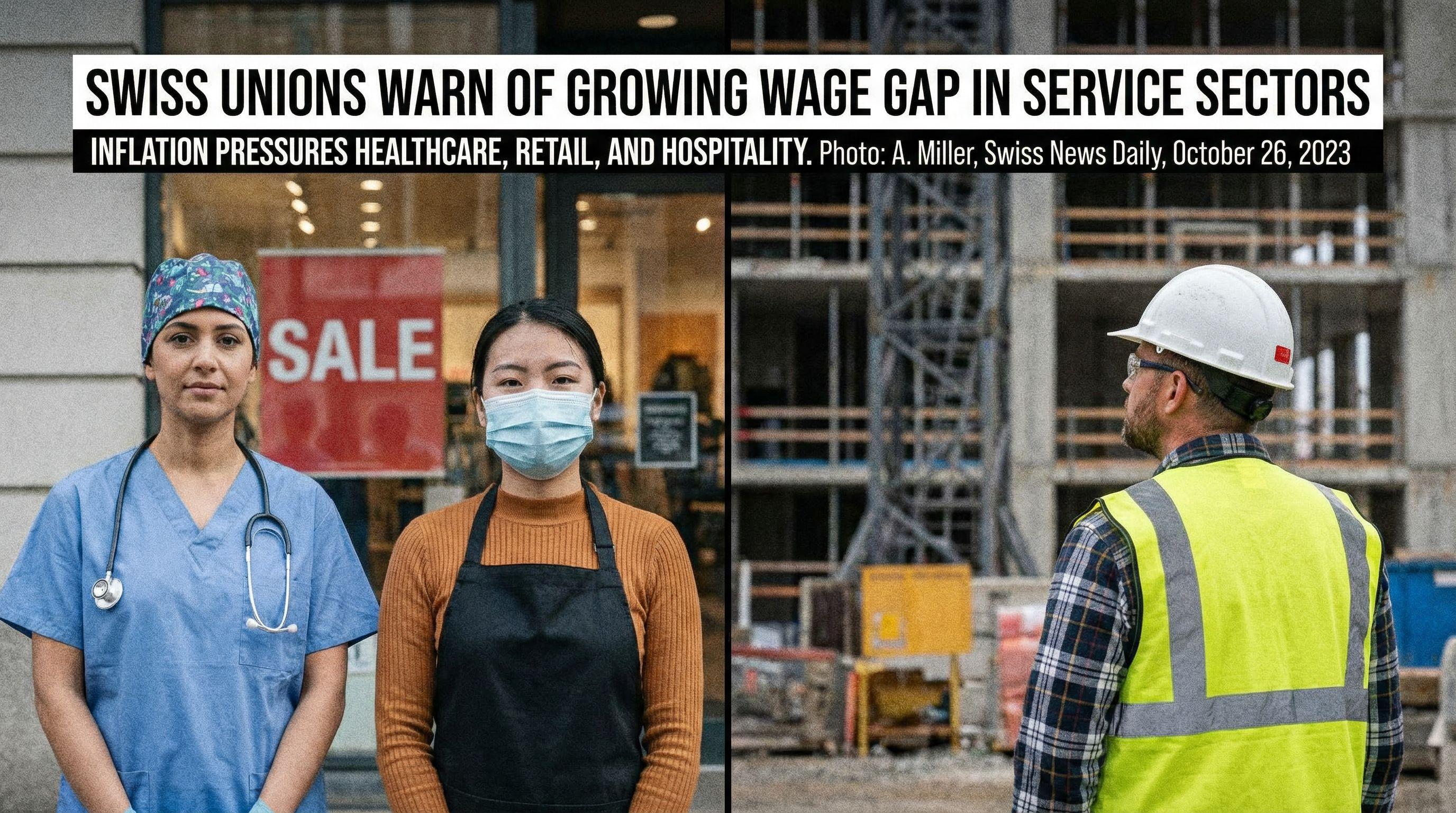
"These increases often do not serve to fully compensate for inflation"
Swiss labor union Travail.Suisse has raised concerns about widening wage disparities across different sectors of the economy. The organization's latest assessment of 2025 wage negotiations reveals a growing divide between traditional trades and service industries. This development marks a significant shift in Switzerland's typically balanced labor market, highlighting emerging challenges in maintaining equitable wage growth across all sectors.
Healthcare, retail, and hospitality workers are experiencing particularly challenging conditions as wage increases fail to match rising living costs. Travail.Suisse reports that these sectors have accumulated a significant wage gap since 2021, affecting workers' purchasing power. The situation is especially concerning given Switzerland's high cost of living and the essential nature of these services to the economy.
In contrast to the service sectors, construction trades have achieved more favorable outcomes in recent wage negotiations. Building site workers, carpenters, and painters have secured satisfactory to good wage increases. These results demonstrate the varying bargaining power across different industries and the continued strength of traditional trades in the Swiss labor market.
Travail.Suisse emphasizes that even where wage increases have been secured through intense negotiations, they often fall short of fully compensating for inflation. Public service employees are particularly affected by this trend. The union's analysis suggests that without more substantial wage adjustments, the purchasing power of workers in affected sectors will continue to decline, potentially leading to broader economic implications.