Energy
Swiss researchers explore synthetic fuel for existing engines
Researchers at Empa in Dübendorf are working on synthetic fuel designed to run in existing vehicle and aircraft engines. The fuel is not yet available at petrol stations, and its developers face challenges bringing it to market.
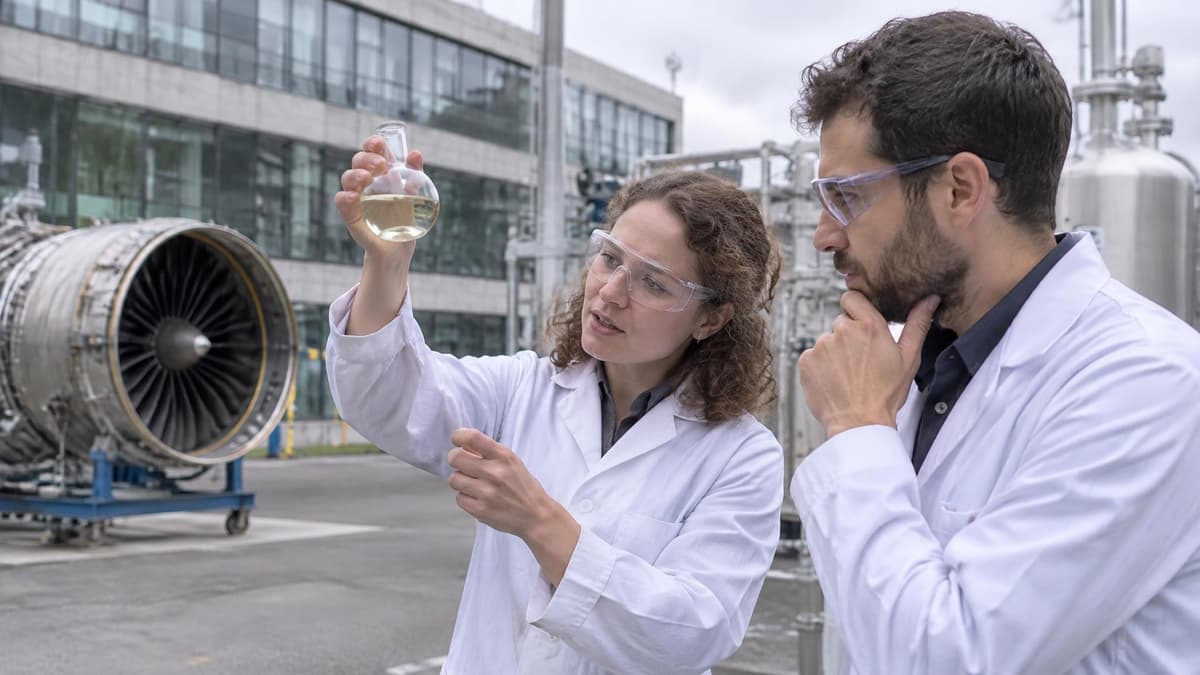
Empa researchers in Dübendorf are working on a fuel intended for engines already on the road and in the air. Their synthetic fuel is designed for existing vehicle and aircraft engines, a proposition that puts the technology in the middle of a practical challenge: developing an alternative fuel that can work with engines already in use.
The work is under way at Empa, the Swiss research institute based in Dübendorf. The project has drawn attention through a Swissinfo science podcast examining whether synthetic fuel could preserve a role for combustion engines. For now, the fuel remains under development. Its prospects depend on more than demonstrating that it can run an engine: its developers also face hurdles in bringing it to market.
Target the engines already in use
The fuel is being developed for engines that already exist. Empa’s researchers are targeting both vehicles and aircraft, placing the work beyond a single transport niche. The stated aim is compatibility with existing engine types, rather than designing a fuel solely for a new generation of machines.
That focus gives the research a direct connection to current transport. Cars and aircraft use combustion engines, and synthetic fuel is being explored as a way to keep such engines running. The project’s defining claim is its intended use in existing engines. Whether that potential can translate into widespread use will depend on the work required to bring the fuel to market.
Clear the route to market
Drivers cannot buy Empa’s synthetic fuel at petrol stations today. The research has not yet produced a product available to motorists. The developers still face challenges in bringing it to market, making commercialisation a central part of the project’s path beyond the laboratory.
That gap matters to the fuel’s reach. A fuel intended for existing vehicle and aircraft engines would need to move from research into practical supply before users could rely on it. Empa’s work explores the technical proposition; getting the fuel into everyday use also requires overcoming the market hurdles identified by its developers.
Keep the focus on deployment
For Switzerland, the research links a local institution with a wider transport challenge. Empa is developing synthetic fuel in Dübendorf for use in existing vehicle and aircraft engines. The work is relevant to transport because it focuses on fuel that could operate engines already in service, rather than limiting its scope to one type of vehicle.
The next test for the project is commercial: the fuel is not yet sold at petrol stations, and its developers have hurdles to clear before it reaches users. Until then, Empa’s work remains a research effort with a clear intended application, but not a fuel available to Swiss motorists or aircraft operators.