archaeology
Bronze Age discovery: Over 2,000 artifacts found at Swiss waste site
Archaeological excavation in canton Jura uncovers significant prehistoric settlement with pottery and jewelry dating back to 1,050-650 BC at planned waste disposal center.
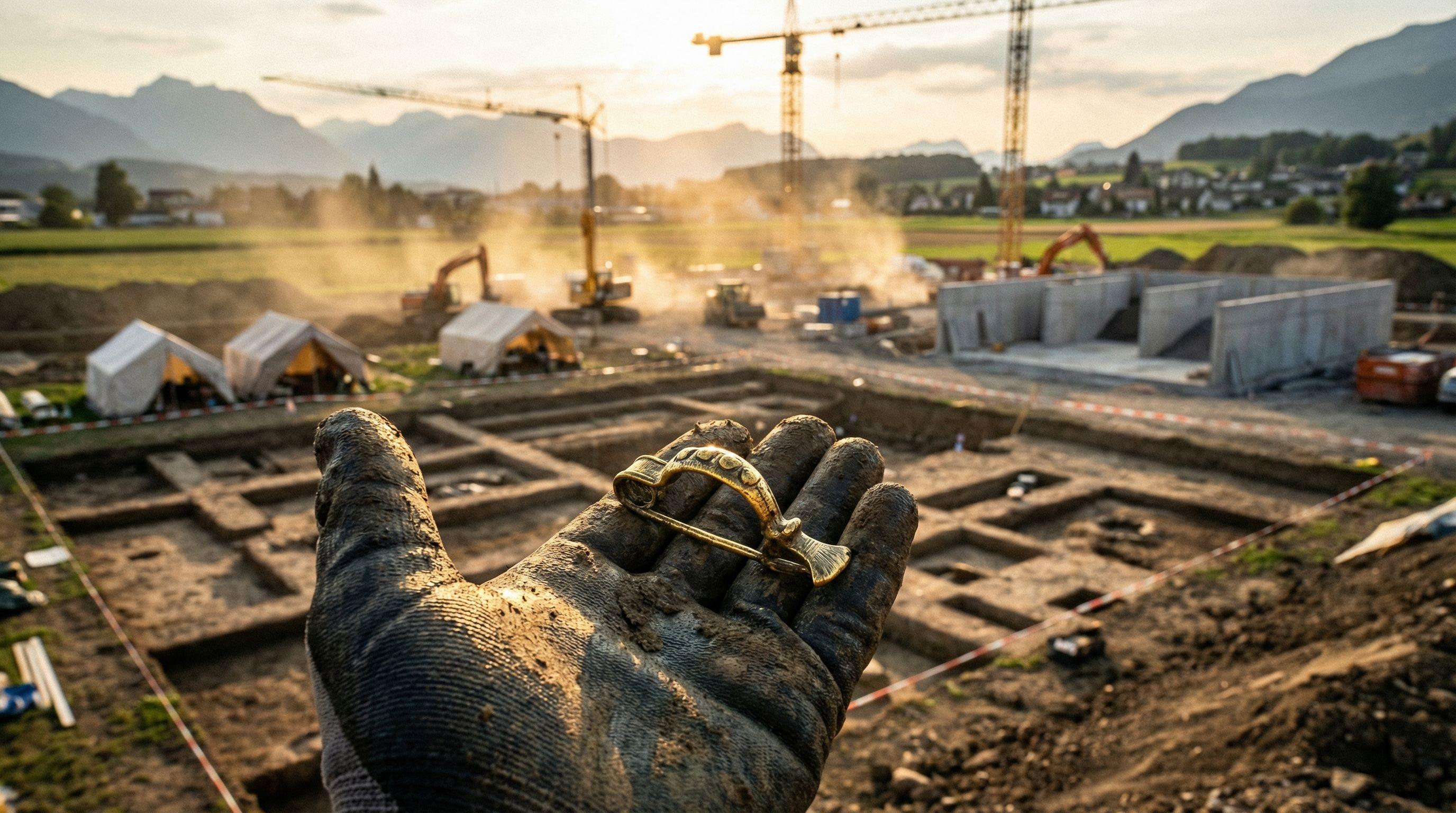
Waste Site Yields Historic Treasure
In a stunning twist of fate, a plot of land destined for refuse has delivered a priceless glimpse into Switzerland's prehistoric soul. Excavators in Delémont, Canton Jura, have unearthed a staggering collection of over 2,000 archaeological artifacts, transforming a planned waste disposal center into a site of critical historical importance. This is not merely a handful of shards; it is a massive, concentrated discovery spread over 600 square meters that challenges our understanding of the region's ancient density.
The Archaeology and Palaeontology Section of the Swiss canton of Jura confirmed the find on Tuesday, revealing a treasure trove hidden within twenty distinct structures. While modern machinery waited to clear the ground for garbage, history pushed back. The recovered items date from a volatile transition period between the Late Bronze Age (1,050-800 BC) and the Early Iron Age (800-650 BC). This discovery abruptly halts the mundane narrative of infrastructure development, replacing it with a vibrant, urgent chapter of Swiss heritage that demands immediate attention and preservation.
Domestic Life in the Bronze Age
This was no battlefield; it was a home. The sheer volume of the find—nearly 2,000 pottery fragments—paints a vivid picture of domestic stability rather than conflict. While many excavations yield weapons or fortifications, the Delémont site offers something far more intimate: the debris of daily existence. Alongside the ceramic vessels, which experts note were painstakingly assembled by hand, archaeologists recovered personal adornments that humanize these ancient inhabitants.
The inventory is compelling. A bronze fibula, an iron pin, and delicate bracelets made of bituminous shale have been pulled from the earth. These objects serve as a direct conduit to the people who lived here 3,000 years ago. The shapes and decorations of the ceramics suggest a sophisticated level of craftsmanship and a community deeply rooted in this specific location. The Canton of Jura's press release emphasizes the "domestic nature" of the occupation, suggesting a thriving settlement where art, utility, and personal style intersected long before the Romans set foot in the region.
Tracing Ancient European Trade
The most shocking revelation from the Delémont dig is not the quantity of the items, but their potential origin. In a sparsely populated Europe, the Swiss region was already part of a complex, long-distance trade network. The discovery of bituminous shale bracelets has triggered a wave of excitement among historians, as evidence points to a connection with the Dorset region of southern England—over 1,000 kilometers away.
During this era, Dorset was a known hub for shale quarries and manufacturing workshops. The presence of these specific adornments in a Swiss settlement suggests that the Jura region was not isolated but integrated into a continental exchange system. This shatters the perception of prehistoric Swiss settlements as insular communities. Instead, it reveals a dynamic economy where luxury goods traversed vast, dangerous distances. Further study aims to confirm these trade links, potentially rewriting the map of economic interaction in the Late Bronze Age.
Race to Restore Fragile History
The clock is now ticking for preservation. The objects, having survived three millennia underground, are incredibly fragile and face their most critical test upon exposure to the air. The Swiss government has recognized the gravity of the situation, stepping in with vital financial contributions to ensure these artifacts are not lost to rapid degradation. This is a rescue mission as much as it is an academic endeavor.
Before any reassembly or deep study can occur, the priority is consolidation. Restorers must stabilize the crumbling pottery and corroding metal to prevent them from turning to dust. Only after this delicate triage can the pieces be reassembled to tell their full story. The archaeological investigations will continue, but the immediate focus is on saving what has already been found. This state-backed intervention underscores a crucial truth: Switzerland's history is a non-renewable resource, and saving it requires bold, immediate action.