employment
Low Swiss unemployment rate masks difficulties finding suitable work
Switzerland’s official unemployment rate was 3% in the second quarter, but a broader measure puts it at 4.9%, according to the report. Jobseekers interviewed by Swissinfo describe difficulties finding work that matches their skills, even in a country with comparatively low unemployment.
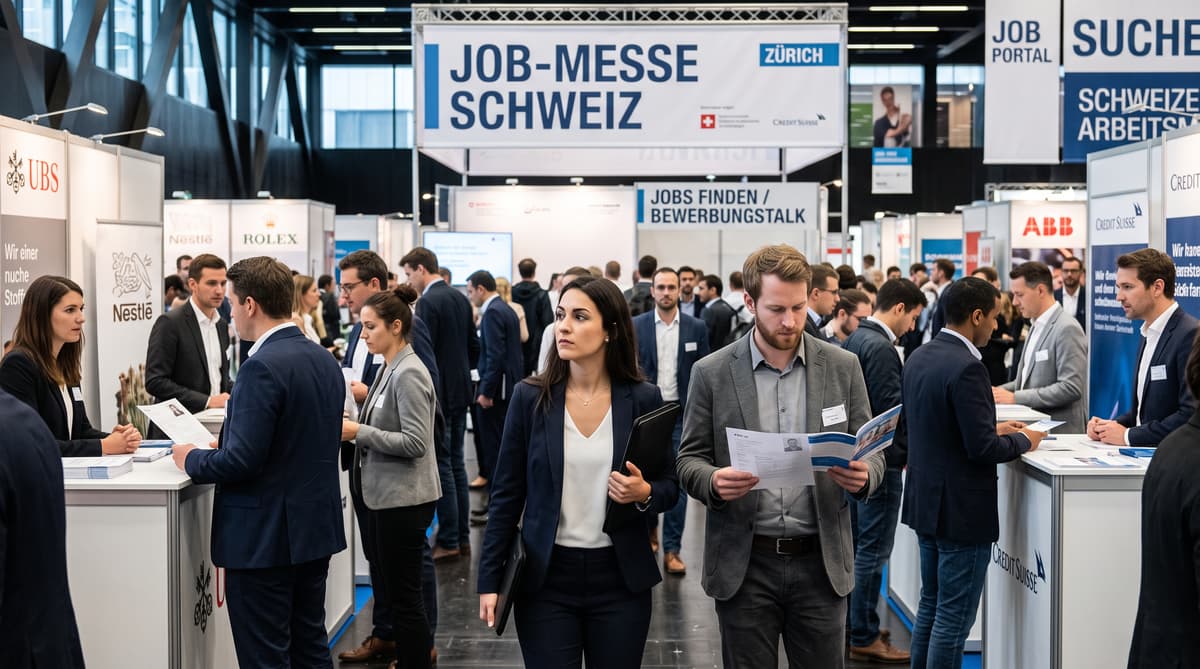
Switzerland’s low headline rate sits alongside jobseekers who say they cannot find work that fits their skills. In the second quarter of 2026, the official unemployment rate was 3%. A broader measure, counting the active population out of work, put it at 4.9%. That wider figure remains below France’s 8.2%, Italy’s 5.6% and the United Kingdom’s 5%, but it captures more people than the Swiss official measure.
Marta, a 40-year-old media expert from Poland, has lived in Switzerland since 2025 and has been searching for work for more than a year. She has worked in seven countries for national television channels and international organisations. She told Swissinfo that this was the first time she had encountered such a barrier. “It is not me; it is the job market. I had to tell myself that not to go crazy,” she said.
Her experience points to a gap between a strong national headline and the practical task of finding a suitable position. For applicants, the search can depend on their sector, location, skills and residency status.
Trace the Routes Into Work
Switzerland’s vocational system helps many young people move from school into work. Roughly two-thirds of schoolchildren choose vocational education and training after middle school. In the dual system, apprentices spend most of the week working for a company while attending vocational school. They gain workplace experience, employer contacts and qualifications connected to actual vacancies.
That pathway helps reduce the difficult transition from education to employment that contributes to youth unemployment in other countries. It also helps explain why Switzerland’s unemployment rate compares favourably with several European peers. But national averages do not describe every jobseeker’s prospects. Swissinfo spoke with ten people whose accounts pointed to a long and tiring search, regardless of age, sector or nationality. Their experiences also highlighted unwritten rules applicants may have to navigate.
The difference between the official 3% rate and the broader 4.9% measure reflects how the two figures count people out of work. Switzerland’s official measure covers people who have registered or qualify for unemployment benefits. The broader measure counts the active population out of work, aligning more closely with international comparisons.
Follow the Search Beyond the Average
Long searches can persist even for highly qualified applicants. Maria, a 37-year-old Portuguese biochemist with a PhD, told Swissinfo she had been looking for work since May 2024. She said she had sent thousands of applications and received only four interviews. After reaching an interview with a large pharmaceutical company, she said she was rejected without feedback on the reason.
That silence can make a lengthy hiring process harder to navigate, said Emily Rappitt, a career and hiring expert based in Switzerland. “Often, it is not the rejection itself that is hardest. It is going through multiple stages of interviews and still having no idea why you were not chosen,” she said.
SECO puts the average unemployment duration in Switzerland at seven months, rising slightly for executive and C-suite managers. The average is nine months in Germany and 20 months in France. Those national averages offer context, while individual searches can stretch far beyond them. Maria’s account shows how a strong qualification and sustained effort do not guarantee a quick match with an employer.
Match Skills to Switzerland’s Vacancies
The chances of finding a suitable role vary sharply by occupation and background. Data compiled by recruitment firm Adecco and SECO show shortages in healthcare, IT and engineering. Jobseekers in those fields may find it easier to locate vacancies than applicants targeting broader business administration and office roles.
Some positions also demand specific local knowledge. Roles in human resources and public affairs can be more difficult for non-Swiss citizens because they may require familiarity with Swiss law, political institutions and local stakeholders. In 2025, unemployment among foreign nationals reached 8.3%, compared with 3.4% among Swiss nationals.
Gender can also shape career prospects. Swiss data links motherhood with lower earnings and slower career progression, a pattern researchers call the “motherhood penalty.” Together, these differences show why the national unemployment rate cannot tell an applicant how readily their skills will translate into a job. For employers and jobseekers alike, the practical test is whether qualifications, local requirements and vacancies line up in a particular field and place.