heat pumps
Heat pumps reach a quarter of Swiss residential buildings
Heat pumps now serve one in four Swiss residential buildings, although oil and gas still heat about half of the country’s housing stock. Assess the pace of the transition, the role of new construction, the barriers to replacing fossil-fuel systems and what the trend means for household costs and emissions.
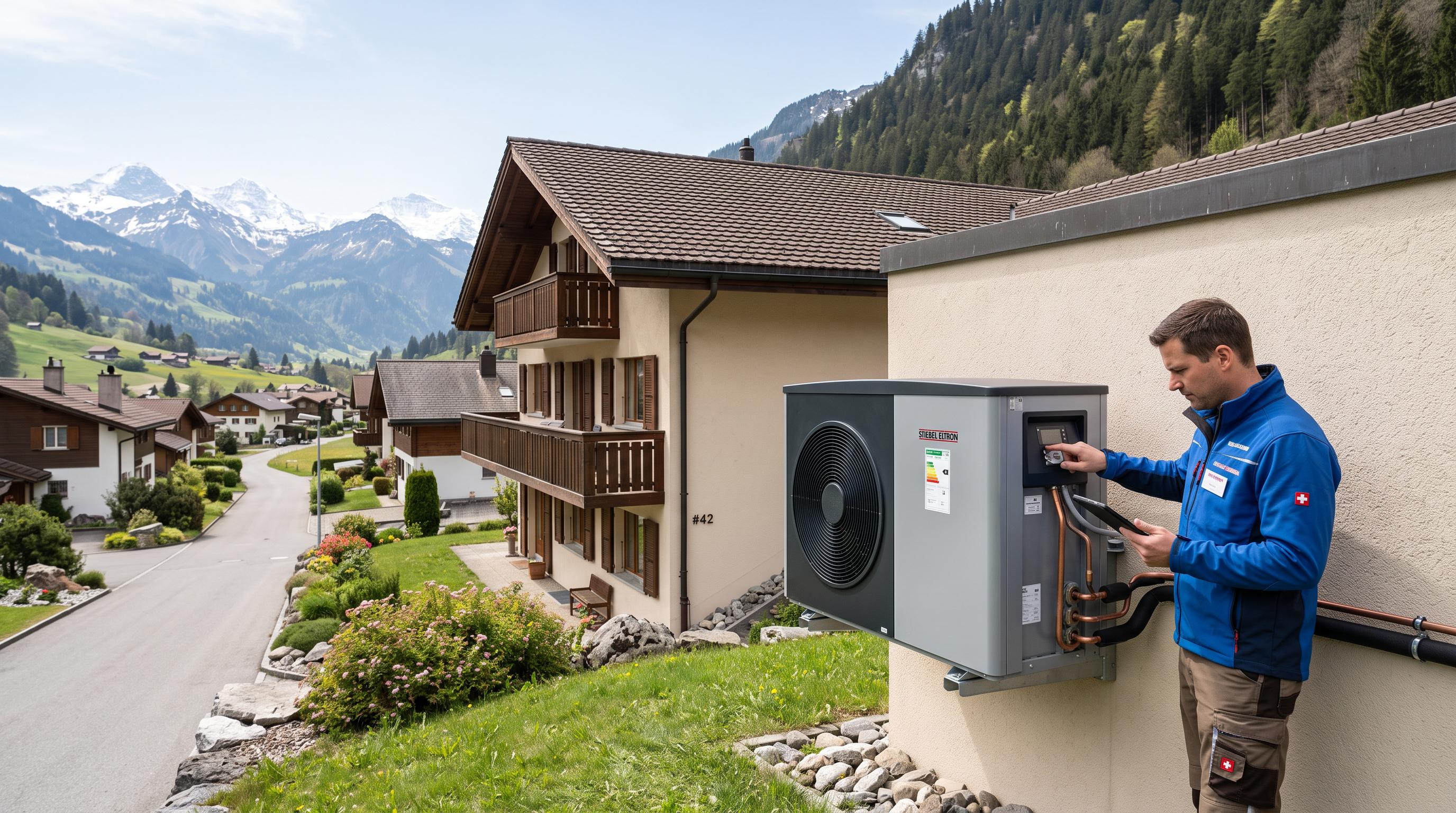
Heat Pumps Cross a Quarter of Swiss Buildings
Heat pumps now warm 25% of Swiss residential buildings, marking a sixfold increase from 2000 and confirming that the country’s housing stock is moving away from combustion-based heating. The change is most visible in new construction. Three quarters of homes built during the past decade use a heat pump, making it the standard choice for many new projects.
Oil and Gas Remain Deeply Embedded
Oil and gas still heat roughly half of Switzerland’s 1.8 million residential buildings. Oil remains the largest single source, serving 33% of buildings. Gas accounts for 17%, while wood supplies 12% and direct electricity 7%. Heat pumps have taken a substantial share, but the figures show how much of the existing stock remains tied to fossil-fuel equipment.
Household Data Reveals a Slower Transition
The building count makes Switzerland’s progress look stronger than the household count. In 2025, only 22% of households were heated by a heat pump, while 58% still relied on fossil fuels, including 32% on oil and 25% on gas. The gap reflects Switzerland’s housing structure: one large urban building can contain many homes and share a central gas system.
Switzerland Lags Northern Europe
Switzerland sits in the middle of Europe on heat pump adoption, while remaining unusually dependent on heating oil. The European Heat Pump Association counted 168 heat pumps per 1,000 Swiss households in 2024. Norway recorded 632, Finland 524, and Sweden 496. Switzerland ranked ahead of Italy, Austria, Spain, Germany, and the United Kingdom, which had just 19 per 1,000 households.
Retrofitting Will Set the Pace
Replacing the existing stock will determine whether the next phase moves quickly. Heat pumps are already the norm in much recent construction, where systems can be designed into a building from the start. Retrofitting older homes is more demanding. Owners may face installation work, space constraints, electrical upgrades, building-envelope improvements, and the cost of removing an operating oil or gas system. Regional conditions matter too. Gas heats 29% of buildings in urban municipalities, compared with 4% in rural areas, while Switzerland’s oil use for space heating reached about 28.1% of heating energy in 2024, more than double the EU average of 12.7%. For households, the shift can reduce exposure to fossil-fuel purchases, but the financial result depends on the building, electricity consumption, installation cost, and local energy prices. The latest figures describe momentum, not a completed transition.