Switzerland
Three-quarters of Swiss say extreme summer heat has taken a toll
A new survey finds that 74% of Swiss residents experienced the summer heat as trying, with sleep and other physical problems widespread. The findings offer a timely account of how extreme temperatures are affecting daily life and public attitudes.
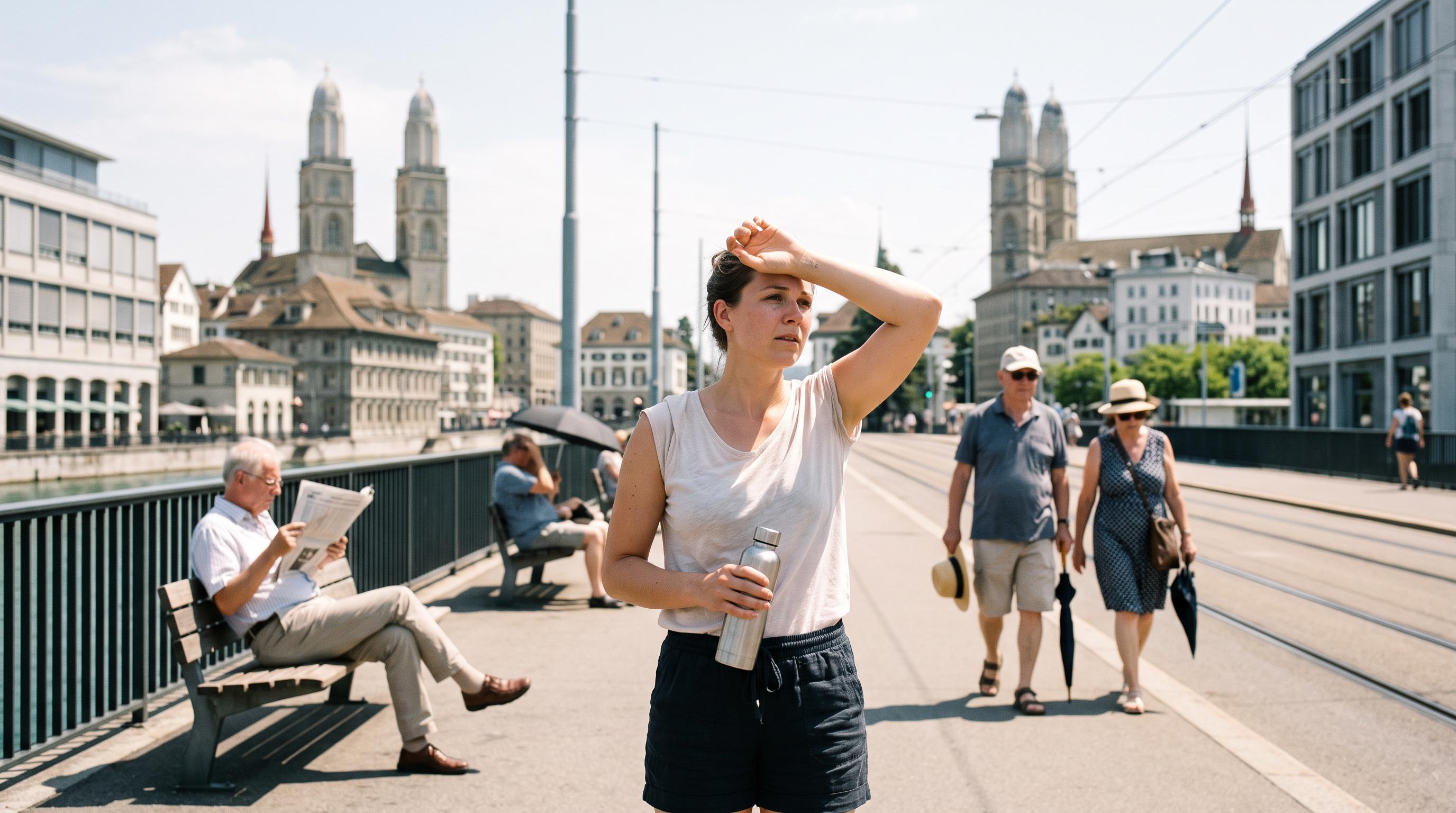
Heat Moves From Forecasts Into Daily Life
74% of Swiss residents found the summer of 2026 very or somewhat trying, according to a survey by 20 Minutes and Tamedia published on August 28. Only 25% described it as very or somewhat pleasant. The results capture a country where heat has moved beyond the weather forecast and into sleep, health and ordinary routines.
The survey, reported by Keystone-SDA, does not present the heat as a brief inconvenience. More than one in three respondents, 37%, said they had experienced significant or very significant physical problems. Sleep difficulties stood out among the complaints, linking high temperatures to the hours when people should be recovering from the day.
Switzerland’s summer experience varies by household, workplace and location, but the national result is clear. A large majority struggled to cope with the temperatures. The findings also point to wider concern about the environment, placing personal discomfort alongside a growing public awareness of changing weather conditions.
The survey was published as Switzerland confronted another summer in which extreme heat shaped daily life. Its value lies in recording how residents themselves assessed the season, rather than measuring temperatures alone.
Hot Nights Disrupt Sleep and Health
Sleep problems were among the most widespread physical effects reported by the survey. In total, 37% of respondents said they had suffered significant or very significant physical problems during the hot summer. The source identifies sleep as a particular concern, though it does not provide a separate percentage for insomnia or other individual symptoms.
Hot nights can affect concentration, energy and the ability to recover before the next day. For people working outdoors, commuting in crowded trains or living in homes that retain heat, the burden can extend well beyond the warmest afternoon hours. The survey does not break the findings down by occupation, age or canton, so it cannot establish which groups faced the greatest health risk.
A related Swiss study published in June examined practical ways to reduce heat stress at home without air conditioning. Its recommendations included measures such as smart ventilation and the use of menthol scents. Those suggestions reflect the practical choices households make when temperatures remain high, while the survey shows how many residents felt the effects in their bodies.
Together, the findings connect climate adaptation with everyday health. Cooling homes and protecting sleep are becoming routine concerns for Swiss households.
Survey Shows Unequal Heat Burden
Women reported greater difficulty with the heat than men in the survey’s gender breakdown. The results reported by Keystone-SDA show 46% of women saying they found the heat trying, compared with 31% of men. The figures indicate a marked difference in how respondents experienced the season, although the published findings do not explain the reasons behind it.
That gap should be read alongside the overall result, rather than as a complete account of health vulnerability. The survey provides no detailed breakdown by age, pregnancy, chronic illness, housing conditions or caring responsibilities. Those factors can influence how people experience prolonged heat, but they were not included in the source report.
The figures nevertheless add depth to the national picture. Heat does not affect every resident in the same way, and public discussion of hot weather often misses the differences between groups. A headline temperature can describe conditions across a region, while the lived impact depends on the person, the building and the ability to cool down.
The gender difference also gives health authorities and employers a clear area for further investigation. More detailed data would help identify which forms of support, advice and workplace protection are most useful during sustained high temperatures.
Heat Enters Switzerland’s Political Debate
Political affiliation also shaped how respondents described the summer. Around half of Green Party supporters said they found the heat very difficult to cope with. At the other end of the reported political spectrum, 36% of Swiss People’s Party supporters said they found the summer pleasant.
The survey does not establish why these differences appeared. Political identity may influence perceptions of climate change, but the published results do not measure that relationship directly, nor do they provide a full party-by-party table. The figures should therefore be treated as a snapshot of attitudes, not as an explanation of them.
They do show that the summer’s impact was being processed through Switzerland’s wider political debate. Heat affects the body immediately, while its causes and the policies used to address it remain politically contested. The same season can produce personal discomfort, environmental concern and different views about the scale of the response required.
The poll’s strongest message remains the broad national result. Across political divisions, the majority found the summer difficult. The variation between party electorates adds context to that finding, while the absence of detailed regional and demographic data leaves room for further research into how Swiss communities are adapting.
Switzerland Looks for Practical Ways to Cool Down
The survey places heat adaptation firmly inside Swiss daily life. With 74% of respondents describing the summer as trying and 37% reporting serious physical problems, residents have supplied a direct measure of the season’s human cost. The results also show that the effects extend beyond discomfort, particularly when high temperatures interfere with sleep.
The findings do not predict how future summers will unfold, and they do not quantify the temperature exposure of individual cantons. They do provide a baseline for public discussion. Further surveys could track whether concern rises or falls, which groups remain most affected and whether household adaptations reduce reported health problems.
For now, the practical response remains close to home: managing ventilation, limiting heat exposure and protecting sleep during hot periods. Swiss researchers have already examined ways to stay cool without relying on air conditioning, an approach relevant to households seeking lower energy use and affordable solutions.
The poll records a population that has felt the pressure of a hot summer and is thinking about its environmental implications. That combination of physical experience and public concern will continue to shape how Switzerland prepares for the next period of extreme heat.