Voting
How Switzerland’s near-universal postal voting system works
Postal voting is used by more than 90% of Swiss voters and has become a routine feature of the country’s political system. The system’s design helps explain why mail-in ballot security has generated less controversy in Switzerland than in many other democracies.
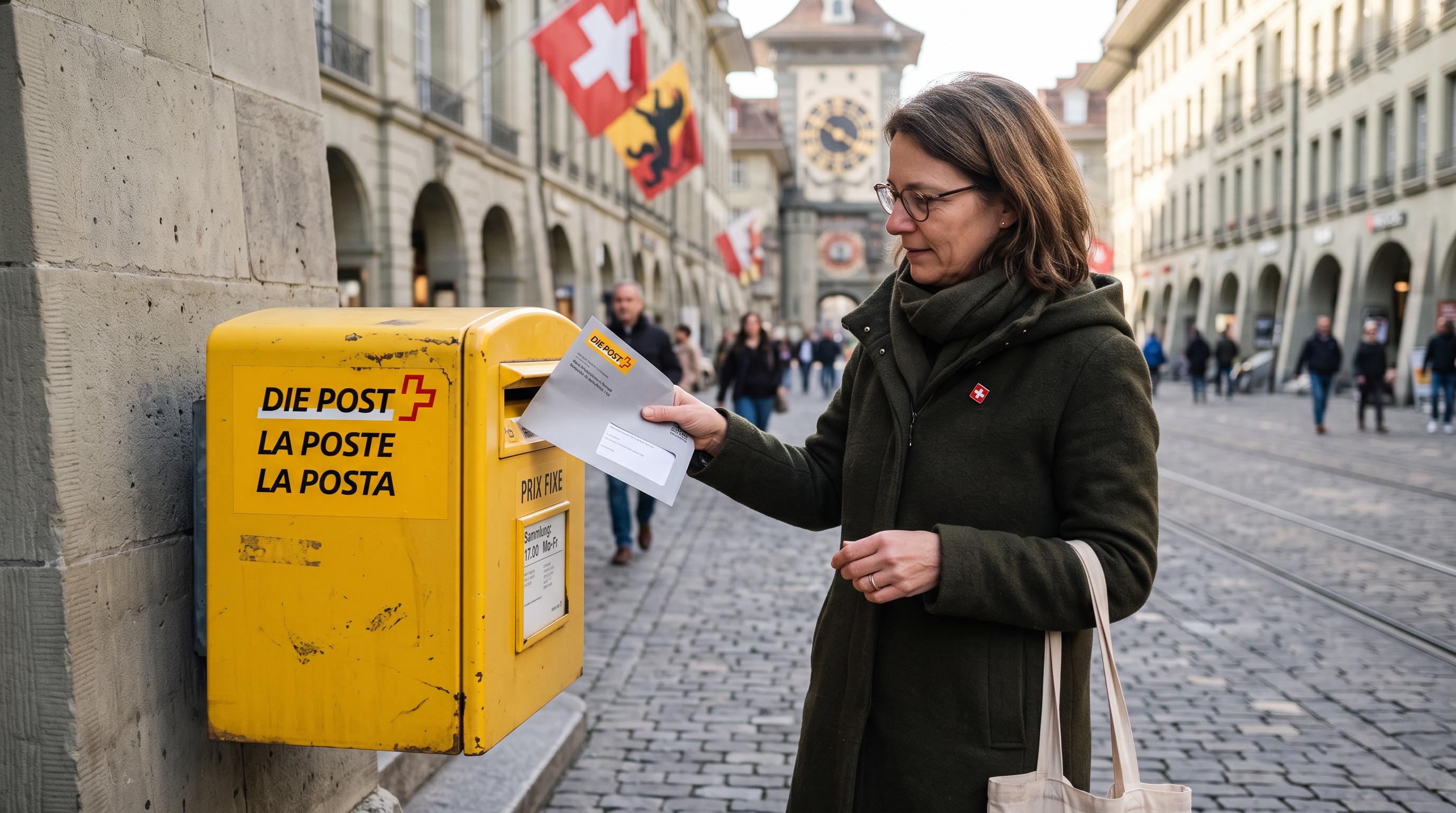
Switzerland Puts the Ballot in the Letter Box
More than 90% of Swiss voters now cast ballots by post, making the voting envelope a routine feature of political life from Geneva to rural Obwalden. It arrives weeks before polling day, usually without any special request, and gives citizens time to consider a referendum, election or local proposal at home.
The system is receiving fresh attention abroad. In the United States, mail voting has become a political flashpoint, while Germany recorded just under half of all votes by post in the 2021 elections. Switzerland operates at a different scale. In June 2026, Aargau reported a 98% postal voting rate, according to figures cited by SWI swissinfo.ch.
This high usage does not mean Swiss citizens vote only by mail. Voters can return their documents through the post, place them in a designated municipal letter box or attend a polling station on ballot day. They can also choose not to vote.
The arrangement matters because Switzerland holds votes frequently, often up to four times a year. Convenience has become part of the country’s political infrastructure. A voting process that once required a trip to a polling station now fits around work, family schedules and ordinary Swiss postal routines.
Follow the Envelope From Doorstep to Ballot Box
Every eligible voter receives a voting package containing the essentials for a decision. The thick envelope includes an official information booklet, the ballot paper and a voter identification card. The documents explain what is being voted on and provide the material needed to submit a valid ballot.
After making a choice, voters place the ballot in the designated inner envelope and complete the required identification material. They can then send the package back by post or use a municipal collection box. The precise arrangements vary locally. Some municipalities provide free return postage, while others leave the cost to the voter.
The package also preserves a basic alternative: voters may take their ballot to a polling station on election or voting day. Citizens who prefer the social ritual of voting in person, first-time voters and people who forget to return their documents by post remain part of that smaller group.
The process is deliberately familiar. Swiss households receive voting material repeatedly, and the country’s postal service ranks among the world’s strongest. That combination reduces the practical barriers between a political decision and a completed ballot. It also makes voting at home an ordinary civic task rather than an exceptional procedure.
Watch the Cantons Build a National Habit
The nationwide system took decades to build. Swiss cantons began introducing postal voting in the 1970s, with local authorities managing the process much as US states manage many election rules. The federal parliament decided in 1994 that mail ballots should be available throughout the country.
By 2005, all 26 cantons had complied. Local differences remain, including rules on return postage and the way municipalities collect voting envelopes. The core structure, however, is shared nationwide: authorities send voting documents directly to citizens, and cantonal and municipal administrations organise the return and counting procedures.
Adoption accelerated after the national rollout. Postal voting covered an estimated half to two thirds of voters in the late 1990s. Today, it accounts for more than 90% of votes nationally. The shift reflects institutional continuity as much as public convenience. Swiss citizens encountered the same mechanism repeatedly across referendums, elections and local votes, giving the system time to become routine.
International comparisons put that development in perspective. International IDEA identifies 11 countries where all voters can use postal ballots. Another 21 countries offer the option only to certain groups, such as older citizens or voters living abroad. Switzerland has made universal access part of its standard voting calendar.
Track the Ballot Across City and Countryside
Postal voting crosses Switzerland’s urban and rural divide. Geneva and Basel record rates comparable to rural Obwalden, according to Alina Zumbrunn of the University of Bern. The pattern is national rather than concentrated in one type of community. In Aargau, the rate reached 98% in June 2026.
Zumbrunn says, “Almost everyone votes in advance.” That early participation fits the country’s calendar. Citizens regularly face several federal and local votes each year, so a trip to a polling station can feel less practical than making a decision at home and returning the envelope when convenient.
The scale is also high by international standards. US states with all mail elections, including Oregon and Washington, have reported Swiss-style rates above 90%, according to the US Election Assistance Commission. Germany reached just under half of votes by post in its 2021 election. Switzerland’s national rate remains among the highest reported, with Liechtenstein a notable exception.
The figures measure use, not total turnout. Switzerland has a comparatively low participation rate among eligible voters, and postal voting does not guarantee that citizens will vote. It removes one logistical hurdle for those who decide to participate, while leaving the political choice itself to each voter.
Keep Trust in the System’s Daily Mechanics
Routine has kept security arguments relatively marginal in Switzerland. The country’s mail ballot system developed gradually through cantonal administration, nationwide legal standardisation and repeated public use. More than 90% of votes now travel through a process that citizens encounter several times a year, yet the system has not produced the same level of political controversy seen in the United States.
Trust is one factor identified in the Swiss debate, alongside the reliability of the postal service and the frequency of voting. Voters receive official material directly from local authorities, return ballots through established postal or municipal channels and retain the option of voting in person. Local implementation can differ, but the basic experience is consistent.
The contrast with the United States is particularly sharp. Former US president Donald Trump said in 2025, “We are now the only country in the world that uses mail-in voting.” The claim was false. International IDEA records postal voting for all voters in 11 countries and for selected voters in 21 others.
Switzerland’s model still depends on administration, clear instructions and public confidence. Its future will be judged through those ordinary mechanisms: whether envelopes arrive on time, voters understand the requirements and cantonal authorities can process ballots accurately at every election and referendum.